TL;DR

Get audio and creator gear delivered free — and shop member deals
- Fast, free delivery on millions of items
- Access to Prime Big Deal Days deals on October 6–7
- Prime Video, Amazon Music and more included
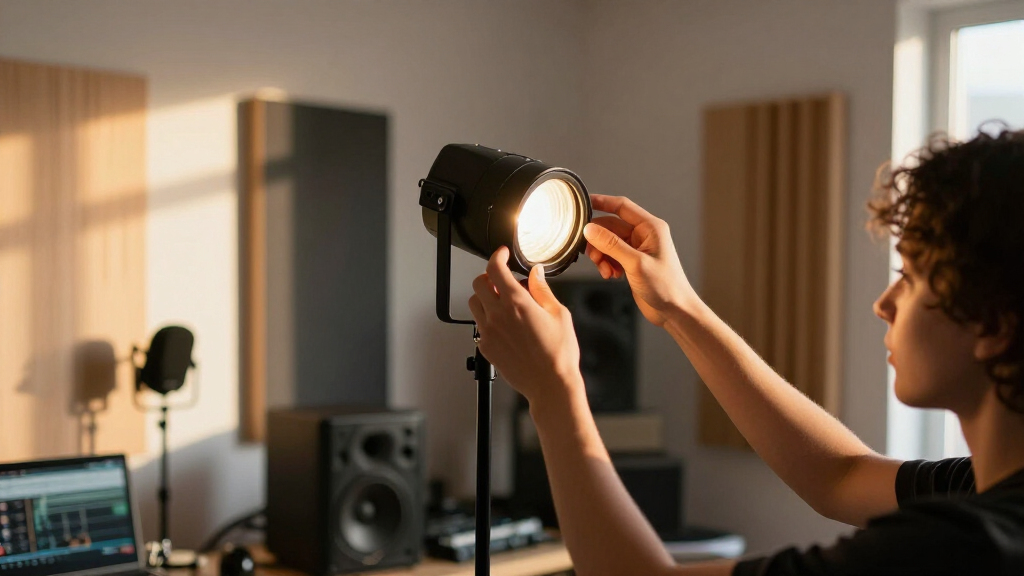
Calibrating your lighting fixtures ensures accurate color, ideal brightness, and consistent effects. Regular calibration with proper tools keeps your setup performing at its peak, especially with LED technology advancing rapidly.
Regularly calibrate your fixtures every 6-12 months to maintain color accuracy and brightness.
Use a combination of light meters, colorimeters, and test charts for precise calibration.
LED fixtures benefit from calibration as their color output can drift over time, impacting visual quality.
Modern smart lighting systems and software make calibration faster and more accurate than ever.
Proper calibration prevents overstressing fixtures, prolonging their lifespan and maintaining consistent effects.
Know Your Light’s True Colors: Master Color Temperature & CRI
Lighting isn’t just about brightness. The true magic lies in color accuracy. Color temperature, measured in Kelvin, tells you whether your light looks warm (think cozy candlelight at 2700K) or cool (like crisp daylight at 6500K).
Crucially, the Color Rendering Index (CRI) indicates how well your fixture reveals actual colors. A CRI of 80+ is decent, but for gigs where color detail matters—like wedding receptions or fashion shows—aim for 90+.
For example, if your LED par can is rated at 3000K and CRI 85, it provides warm, decent color fidelity. But if you’re doing a photoshoot, bump up to fixtures with 5500K and CRI 95+ for true-to-life hues.
Understanding the importance of these specs helps you avoid mismatched lighting that can distort colors or create unflattering scenes. For instance, using a warm light with a high CRI in a setting that requires cool, daylight-balanced lighting can make skin tones look unnatural, affecting photos and video quality. The tradeoff often involves balancing warmth and color fidelity against intensity and power consumption, especially with LED fixtures that can vary in quality and performance over time.
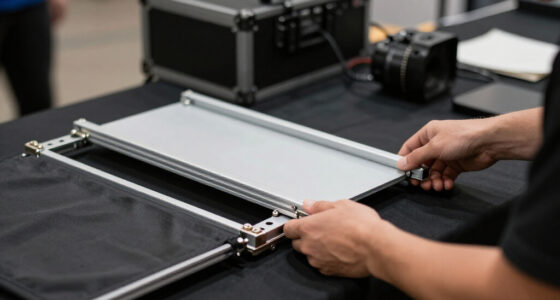
LED lighting fixture calibration tool
As an affiliate, we earn on qualifying purchases.
As an affiliate, we earn on qualifying purchases.
Adjust Brightness & Light Distribution for a Flawless Look
Your fixtures might be perfectly calibrated in theory, but if the brightness levels are off or the light is uneven, everything falls apart. To fix this, measure lumen output and tweak your fixtures accordingly.
For example, a dance floor needs around 20-30 lumens per square foot. If your LED wash is too bright or too dim, adjust the dimmer or control settings.
Position your lights carefully — a slight tilt or shift can make shadows softer or sharper, changing the entire vibe. Proper light distribution isn’t just about aesthetics; it affects visibility, focus, and the mood. Uneven lighting can cause distractions or unflattering shadows, which is especially problematic in photography or video. Achieving even distribution often involves tradeoffs—more fixtures can improve uniformity but increase complexity and cost, while adjusting angles and distances can optimize coverage with fewer lights. Mastering these adjustments ensures your scene looks balanced and professional.
As an affiliate, we earn on qualifying purchases.
Step-by-Step: How to Calibrate Lighting Fixtures in 5 Easy Moves
- Turn on your fixtures and set them to your intended scene.
- Use a light meter or colorimeter to measure the current color temperature and brightness.
- Adjust the fixture’s internal settings or control panel to match your target values.
- Verify adjustments with the measurement device, fine-tuning as needed.
- Document your calibration settings for quick future adjustments.
This methodical approach ensures consistency, especially when deploying multiple fixtures in a setup. It’s important to understand that calibration isn’t a one-time task; environmental factors, bulb aging, and fixture wear can cause drift over time. Regularly revisiting these steps helps you catch and correct deviations early, saving time and ensuring your visual effects remain sharp and accurate. Think of it as maintaining a musical instrument—consistent tuning keeps the performance flawless and reliable across gigs and setups.
light meter for photography and stage
As an affiliate, we earn on qualifying purchases.
As an affiliate, we earn on qualifying purchases.
Compare Calibration Tools: Which One Fits Your Needs?
| Tool | Purpose | Cost Range | Ease of Use |
|---|---|---|---|
| Basic Light Meter | Measures brightness/luminance | $50-$150 | Easy |
| Colorimeter | Measures color temperature & CRI | $150-$500 | Moderate |
| Spectrometer | Detailed color analysis, professional level | $500+ | Advanced |
Choosing the right tool depends on your calibration needs and budget. A basic light meter is sufficient for general brightness adjustments but won’t give you detailed color info. A colorimeter offers a good balance for most hobbyists and professionals, providing essential data on color temp and CRI, which are critical for visual accuracy. Spectrometers are ideal for detailed color analysis, especially in professional settings where precision is paramount. Investing in the right tool ensures you can identify subtle discrepancies and fine-tune your fixtures for optimal results, but consider the tradeoff between cost, complexity, and your specific application.
As an affiliate, we earn on qualifying purchases.
What’s New? Latest Tech Making Calibration Easier & More Accurate
Smart lighting systems now sync via apps, allowing you to calibrate fixtures remotely. Advanced colorimeters can now fit in your pocket, providing quick, accurate readings.
LED improvements mean fixtures stay more stable in color over time, reducing the need for frequent recalibration. Calibration software can generate custom correction profiles, streamlining adjustments for complex setups.
For instance, a recent update in popular DJ lighting software allows real-time calibration checks, saving time during gigs. These innovations are significant because they reduce the complexity and time investment traditionally associated with calibration, making it accessible even for hobbyists. The tradeoff often involves initial investment in new hardware or software, but the gain is more consistent, professional results with less effort. Staying updated with these technologies ensures your setup remains competitive and reliable, especially as LED technology continues to evolve rapidly.
How Often Should You Re-Calibrate? Keep Your Setup Sharp
Regular recalibration is key—every 6 to 12 months or whenever you notice color shifts or dimming issues. LED fixtures tend to drift in color output as they age, so periodic checks prevent surprises.
If you switch out bulbs or fixtures, recalibrate to match. For critical events like weddings or photoshoots, recalibrate the day of to ensure perfect results.
Think of it as tuning a guitar—without regular adjustments, the sound (or in this case, the light) gets out of tune. The frequency of recalibration can depend on usage intensity, environment, and fixture quality. High-traffic or outdoor venues might require more frequent checks due to environmental factors like temperature and humidity affecting electronic components. Regular maintenance not only preserves color accuracy but also prevents unexpected failures during critical moments, ensuring your lighting always performs at its best.
Troubleshooting: Why Your Lights Don’t Match Your Vision
If your colors look off or your light isn’t as bright as expected, calibration is likely the culprit. First, verify your fixture’s settings and calibration tools are correct.
Check for aging LEDs, loose connections, or outdated firmware. Sometimes, simple recalibration can restore your fixtures to their intended look.
For example, if a fixture suddenly appears warmer than usual, recalibrating the color temp can fix the issue without replacing hardware. Recognizing these issues early prevents costly repairs or replacements and ensures your visual effects stay consistent. Calibration issues often stem from hardware aging, environmental factors, or incorrect initial setup. Understanding these causes helps you troubleshoot more effectively, saving time and money while maintaining quality results.
Frequently Asked Questions
How often should I calibrate my lighting fixtures?
For most setups, every 6 to 12 months is ideal. If you notice color shifts, dimming, or after changing fixtures or bulbs, recalibrate immediately to keep everything consistent.Can I calibrate my lighting fixtures myself, or do I need a professional?
Basic adjustments like dimming and color temp tweaks can be DIY. However, for precise, color-critical applications, hiring a professional with advanced tools ensures the best results.What tools do I need for calibration?
A basic light meter or colorimeter is essential. For more detailed work, spectrometers and calibration software help achieve high accuracy, especially in complex setups.How do I check if my lighting is calibrated correctly?
Use measurement tools to verify the color temperature, CRI, and brightness match your target values. Adjust controls until readings align with your desired specifications.Are there affordable options for calibration at home?
Yes, entry-level colorimeters and smartphone apps can provide decent calibration. For critical work, investing in professional-grade tools pays off in color precision and consistency.Conclusion
Calibrating your lighting fixtures isn’t just a technical step; it’s what transforms a good setup into an unforgettable experience. With the right tools and routine checks, you keep your lights sharp, colors true, and effects stunning. Think of calibration as fine-tuning a musical instrument — do it regularly, and your whole performance improves.Fall Picks
fall essentials
As an affiliate, we earn on qualifying purchases.