
TL;DR

Get audio and creator gear delivered free — and shop member deals
- Fast, free delivery on millions of items
- Access to Prime Big Deal Days deals on October 6–7
- Prime Video, Amazon Music and more included
Properly securing DJ gear in rental vans reduces transit damage by up to 70%. Use dedicated cases, straps, and security measures to protect your equipment from damage and theft during transport.
Imagine pulling up to a gig, gear strapped in, confident it won’t shift or get stolen. That’s the difference good securing makes. Whether you’re hauling a $5,000 setup or just your essentials, knowing how to lock everything down saves time, money, and stress.
This guide breaks down the concrete steps you need to protect your gear in rental vans. From packing strategies to high-tech security, you’ll get a clear, practical plan for every trip.
Use proper packing with dedicated cases, foam padding, and organized labeling to prevent damage during transit.
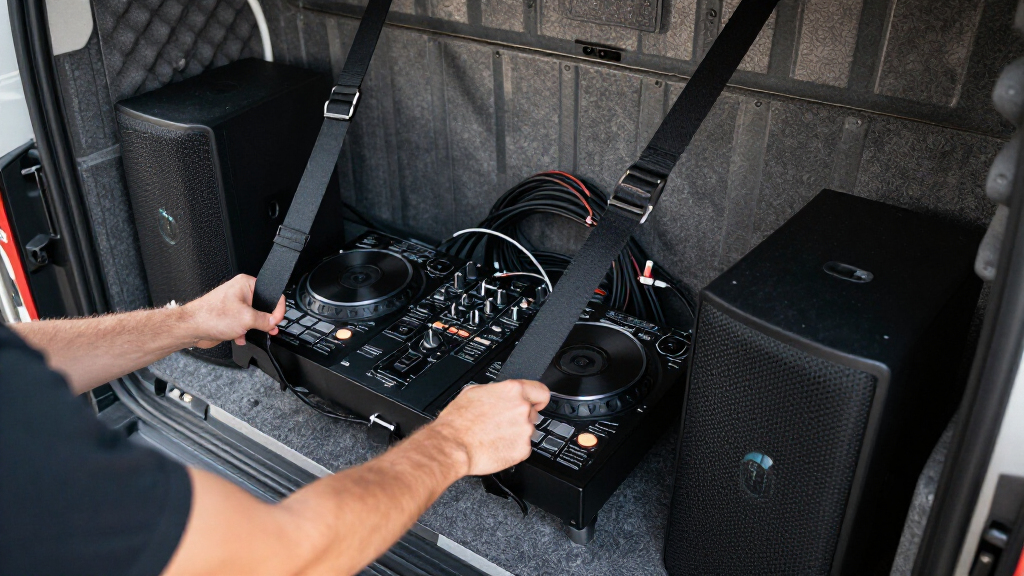
Invest in high-quality securing devices like ratchet straps and cargo nets; they significantly reduce gear shifting.
Choose rental vans with built-in tie-down points and climate control for better safety and protection.
Implement tech solutions—GPS trackers and insurance—to monitor and safeguard your gear against theft and damage.
Plan your loading and unloading carefully, lifting with proper technique, and sequencing to avoid accidents.
How to Pack DJ Gear So It Won’t Shift or Break During Transit
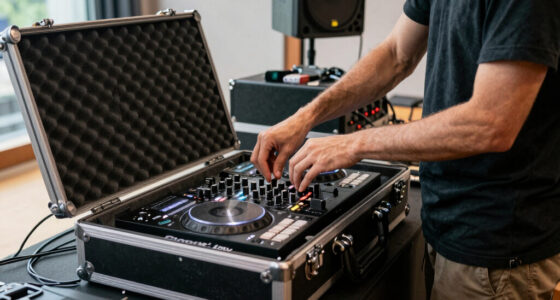
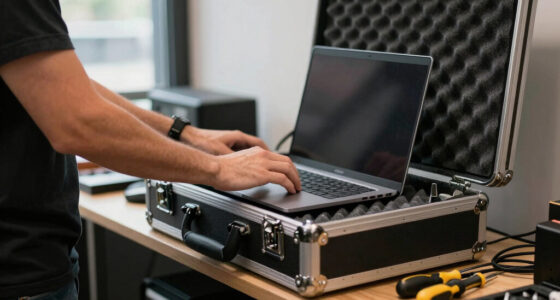
The first step in securing DJ gear is smart packing. Using dedicated flight cases, padded bags, and foam inserts isn’t just about protection; it’s about understanding the importance of minimizing movement that can cause damage. When gear shifts during transit, it can lead to costly repairs or replacements, especially for sensitive electronics like mixers or controllers. Proper organization—labeling cables, packing heavier items on the bottom, and lighter gear on top—ensures stability and quick access upon arrival. For example, a typical DJ setup weighing around 80 pounds—like a controller, speakers, and cables—can be wrapped in foam padding, then snugly placed inside a sturdy case. This method not only shields against shocks but also prevents accidental disconnections or damage from sudden stops. Double-check that no gear is loose or hanging free before hitting the road. Secure loose cables with twist ties and keep small accessories in labeled bins to avoid losing components or damaging equipment during bumpy rides. Investing in thoughtful packing reduces the risk of damage, saves money on repairs, and keeps your gear ready for performance without unexpected hiccups.
As an affiliate, we earn on qualifying purchases.
Top 5 Securing Devices That Keep Your Gear Still in the Van
| Device | Strengths | Best For |
|---|---|---|
| Ratchet Straps | Heavy-duty, adjustable, reliable | Securing heavy gear like speakers and large cases |
| Bungee Cords | Flexible, quick to deploy | Holding smaller items or padding in place |
| Cargo Nets | Cover large areas, easy to adjust | Creating a barrier to prevent shifting |
| Foam Padding | Absorbs shocks, protects fragile gear | Inside cases or between equipment and van walls |
| Tie-Down Rings | Built-in van feature, sturdy anchoring points | Attaching straps to secure large items |
Choosing the right securing devices isn’t just about keeping gear in place; it’s about understanding how each tool interacts with your setup. Ratchet straps are the most dependable for heavy equipment because they allow for tight, secure fastening that resists loosening during transit. However, improperly used straps can cause damage if overtightened, so knowing how to adjust and check tension is crucial. Bungee cords offer quick, flexible solutions but are less reliable for heavy or shifting loads—they’re best used for lightweight items or padding. Cargo nets distribute securing points across large areas, reducing the risk of gear sliding or tipping over. Foam padding, when strategically placed inside cases or between equipment and walls, absorbs shocks from sudden stops or vibrations, preventing internal damage. Tie-down rings integrated into the van provide sturdy anchor points for straps, making securing large or awkwardly shaped items more manageable. Understanding the strengths and limitations of each device allows you to create a layered securing system—maximizing safety and reducing the risk of damage or loss during transit.
As an affiliate, we earn on qualifying purchases.
Choosing the Right Van: Features That Make Your Gear Safer
Not all rental vans are equal. Look for vehicles with built-in tie-down points—these are like anchors for your straps, making securing much easier. Vans like the Ford Transit or Mercedes Sprinter often have multiple anchor points along the floor and walls, which are essential for creating a secure environment for your gear. These points help distribute tension evenly, reducing stress on individual straps and preventing gear from shifting or tipping over. If you’re transporting sensitive electronics, consider a climate-controlled van. These vans keep the temperature steady, preventing damage from heat or cold that could warp plastics or cause condensation inside electronics. For example, a DJ hauling a rack of delicate mixers and controllers will appreciate the extra protection, as temperature fluctuations can lead to malfunction or deterioration over time. Size matters too. A van with enough space prevents squeezing gear into tight corners, which can cause damage or make securing harder. Ideally, choose a van that fits your gear with about 10-15% extra space—not only to accommodate unexpected additions but also to allow for proper securing and ventilation. Selecting the right van isn’t just about capacity; it’s about creating an environment where your gear is less vulnerable to damage and theft, ensuring your equipment arrives ready to perform.
As an affiliate, we earn on qualifying purchases.
Loading and Unloading: Do It Right to Avoid Damage
Proper lifting techniques matter immensely. Always lift with your legs, not your back—think squat, not bend—because this reduces strain and the risk of injury. When loading heavy cases, have at least one other person to help; teamwork ensures better control and stability. Two sets of hands prevent dropping or knocking gear into walls or other objects, which could cause costly damage. Planning your loading sequence is equally important. Place the heaviest items—like subwoofers or large flight cases—first, on the van floor, to lower the center of gravity and prevent shifting during transit. Lighter gear, such as cables or small controllers, should go on top or in accessible compartments, making unloading more efficient and reducing the risk of damage. Loading in reverse order of unloading allows you to retrieve the most-needed items first, saving time and minimizing the chance of accidents inside the van. This methodical approach ensures your gear stays intact, organized, and ready for quick setup at your gig. By emphasizing proper technique and strategic packing, you protect your investment and streamline your workflow, especially after long hauls or frequent gigs.
As an affiliate, we earn on qualifying purchases.
Using Tech and Insurance to Protect Your Gear During Transit
Tech solutions like GPS trackers are more than just gadgets; they’re your remote eyes on your gear. Devices such as the Tile Pro or Spytec STI-GL300 can send real-time alerts if your van moves unexpectedly or leaves a designated area, allowing quick response to theft or unauthorized use. Geofencing features let you set specific boundaries—if your van crosses these, you’re immediately notified, reducing the window of opportunity for theft. Pairing GPS trackers with security alarms, steering wheel locks, or immobilizers creates a layered defense, making it significantly harder for thieves to steal or tamper with your vehicle and gear. Insurance plays a crucial role in risk management. Cover your equipment against theft, damage, or loss—especially when transporting high-value gear or during long trips. Many rental companies offer protection plans, but supplementing this with your personal or business insurance provides broader coverage and peace of mind. For example, a DJ in Los Angeles used a GPS tracker along with comprehensive insurance, which not only helped recover stolen gear but also minimized financial loss. The combination of technology and insurance reduces vulnerabilities, allowing you to focus on your performance instead of worrying about potential mishaps during transit.
Smart Tips to Keep Your Gear Safe and Sound in Transit
- Lock the van whenever you leave it—even for a quick stop. This simple step deters opportunistic theft and prevents unauthorized access.
- Use security devices like steering wheel locks or alarm systems. These add physical and electronic barriers that make stealing your gear significantly harder.
- Hide your gear from view—don’t leave it in plain sight in unattended parking. Visible gear invites theft; out-of-sight keeps your equipment safe and reduces temptation.
- Check straps and anchors before each trip to ensure everything stays tight. Loose securing points can lead to gear shifting or falling, increasing the risk of damage or loss.
- Keep a digital inventory of your gear using apps, so nothing gets left behind or lost. This not only helps during packing but also in the unfortunate event of theft, aiding in claims and recovery.
Frequently Asked Questions
How can I keep my fragile gear from breaking during transit?
Use padded cases, foam inserts, and secure straps. Place fragile items like turntables and mixers inside dedicated flight cases with extra padding to absorb shocks.What’s the best way to lock down my gear in the van?
Use heavy-duty ratchet straps attached to built-in tie-down points, combined with cargo nets or bungee cords to lock everything in place. Double-check all straps before departure.Should I rent a climate-controlled van for electronics?
Yes, especially if transporting sensitive electronics or a high-value setup. Climate control prevents damage from excessive heat, cold, or humidity, extending your gear’s lifespan.What security tech can I use to track my gear?
GPS trackers like Tile Pro or Spytec STI-GL300 provide real-time location alerts. Pair them with security alarms or steering wheel locks for added protection.Is insurance worth it for rental van transport?
Absolutely. Insurance covers theft, damage, or loss, giving you peace of mind during transit. Check if your personal policy or rental provider offers comprehensive coverage options.Conclusion
Securing your DJ gear in rental vans isn’t just about tying things down. It’s a mix of smart packing, good equipment, and a little tech smarts. When you treat your gear like a fragile treasure, your setup becomes faster, safer, and more reliable.
Next time you hit the road, remember: a secure load means fewer surprises and more focus on what really matters—your music. Take control of your gear’s journey, and it’ll reward you with smooth gigs and happy clients.
Fall Picks
fall essentials
As an affiliate, we earn on qualifying purchases.