TL;DR
Prime for Young Adults — start your free trial
Fast free delivery, streaming and member deals for eligible 18–24 year olds.
Try it freeAs an affiliate, we earn on qualifying purchases.
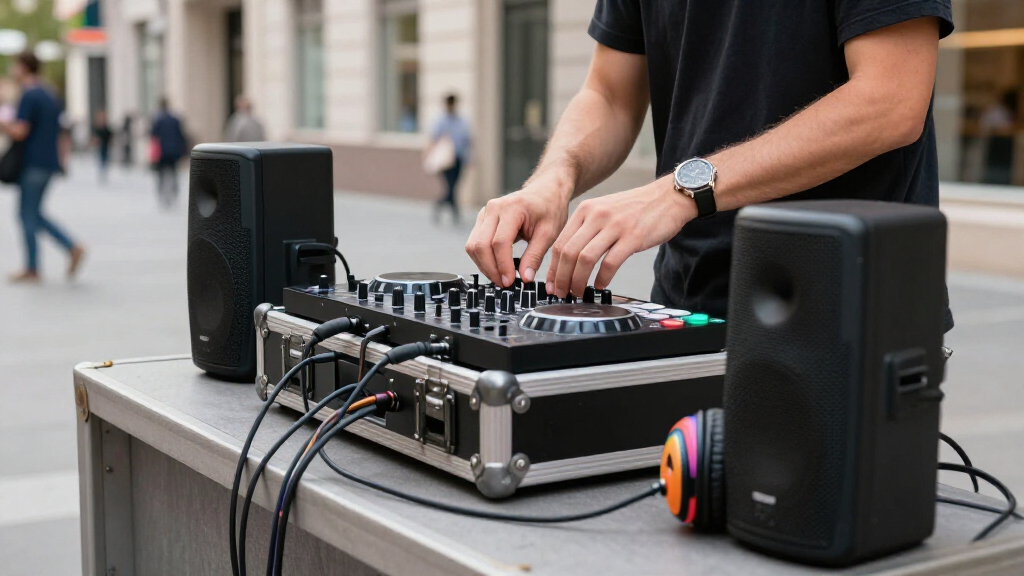
A street DJ needs a lightweight, battery-powered setup that’s quick to assemble and tough enough for outdoor conditions. Using standalone gear like battery PA speakers and portable controllers makes your setup reliable and easy to carry, even without wall outlets.
Imagine spinning your favorite tracks on a busy street—no outlets, no fuss, just you and your gear. That’s the magic of a well-built portable DJ kit. But building one that’s reliable, lightweight, and street-legal isn’t just throwing gear in a bag. It’s about understanding power sources, transport solutions, and gear compatibility.
This guide breaks down the essentials—what gear works best, how to power it, and how to keep your setup ready for those spontaneous street gigs. Think of it as your practical blueprint for turning simple gear into a street performance powerhouse.
Use battery-powered speakers and portable power stations to stay mobile without outlets.
Choose lightweight, all-in-one gear like standalone controllers and battery speakers for quick setup.
Check local noise and permit rules before performance to avoid legal issues.
Weatherproof and secure your gear with covers, locks, and insurances—outdoor gigs are unpredictable.
Prioritize positioning and sound projection over wattage to cut through outdoor noise effectively.
How to Power Your Setup Without a Wall Outlet
The biggest challenge in street DJing? Power. No wall socket means you need a reliable, portable power source. Battery PA speakers are your best bet—models like the Bose S1 Pro+ or JBL EON One Compact pack in rechargeable batteries, offering 8–12 hours of playback. These options matter because they eliminate the need for external power cords, allowing you to perform freely in any outdoor environment. However, they also come with tradeoffs: higher cost, weight, and sometimes limited output compared to traditional powered PA systems. Alternatively, consider a portable power station like the EcoFlow River 600, which can run a small controller and speaker for 4–8 hours. This versatility enables you to power multiple devices simultaneously, but it adds bulk and weight to your setup, so balancing capacity with portability is key. For maximum flexibility, a 500 Wh portable power station is enough for most day-long gigs. It’s like carrying a mini power plant. Just check your gear’s wattage—if your speakers and controller draw around 50 W, expect about 8 hours of continuous play from a 500 Wh pack. This approach ensures you can keep your performance going without interruptions or reliance on external outlets. Pro tip: Keep a few power banks charged for quick swaps. It’s better to have extra juice than to scramble for outlets mid-set, especially when spontaneity is vital in street performance.
battery powered portable DJ speakers
As an affiliate, we earn on qualifying purchases.
As an affiliate, we earn on qualifying purchases.
Choosing the Right Gear for Lightweight, Fast Setup
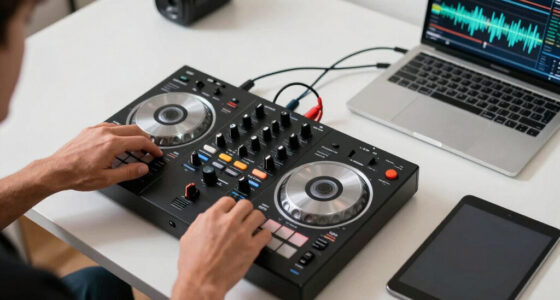
Street performance demands gear that’s light, compact, and quick to set up. Battery-powered speakers like the Bose S1 Pro+ (weighs about 7.7 kg) or JBL EON One Compact (around 7.3 kg) fit into a small backpack or rolling case. These options matter because they significantly reduce the physical strain and setup time, which can be the difference between a successful spontaneous gig and a missed opportunity. Combine these with a portable DJ controller such as the Denon DJ Prime GO (weighs 4.2 kg) or Numark Mixstream Pro Go (3.7 kg). These standalone units eliminate the need for a laptop, reducing cable clutter and setup time. The tradeoff? These all-in-one units may have limited processing power and features compared to traditional setups, but in street scenarios, simplicity and speed often outweigh advanced capabilities. For example, a typical gig might involve unpacking, connecting a few cables, and hitting play—all within 5 minutes. Use wheeled carts, folding trolleys, or backpack-style bags designed for DJ gear to streamline transport. This setup is perfect for spontaneous street gigs or park performances where quick pack-up matters. The key is to choose gear that balances weight, functionality, and durability, understanding that the tradeoff for quick setup is often slightly reduced control or processing power. This approach ensures you’re ready to perform at a moment’s notice without sacrificing too much performance quality.
compact DJ controller with built-in battery
As an affiliate, we earn on qualifying purchases.
As an affiliate, we earn on qualifying purchases.
Legal Guidelines and Staying Out of Trouble
Street DJs often overlook the importance of permits and noise rules. Many cities require a street performance permit, especially when using amplified sound. Noise ordinances typically cap sound at around 60–70 dB measured at a set distance, which is roughly comparable to a loud conversation. These regulations matter because exceeding noise limits or performing without permits can lead to fines, shutdowns, or legal issues that cut short your performance. Before setting up, check local rules—some zones ban amplified music altogether. Others require you to limit volume or use specific hours. It’s a good idea to carry a small decibel meter app on your phone to stay within legal limits. The implication is that understanding and respecting these rules helps you avoid disruptions and maintain good community relations. Remember: even with permits, be respectful. Keep your sound contained and be mindful of neighbors and other street users. Failing to comply can result in penalties or being asked to leave, which wastes your time and damages your reputation as a street performer.
portable power station for DJ setup
As an affiliate, we earn on qualifying purchases.
As an affiliate, we earn on qualifying purchases.
Weatherproofing and Protecting Your Gear
Rain, sun, dust—outdoor conditions are tough on DJ gear. Use waterproof covers for your controller and battery speaker. A pop-up canopy can shield your setup from sudden showers and direct sunlight. For example, a lightweight, foldable rain cover for your controller keeps it dry, while a compact, UV-resistant canopy prevents overheating and damage. These protections matter because exposure to weather can cause equipment failure or damage, forcing you to cancel or cut your gig short. Security also matters. Use cable locks, keep gear within arm’s reach, and consider insuring your equipment. A theft in a busy park can cost hundreds—better to be safe than sorry. The tradeoff is added weight and setup complexity, but the benefits of protecting your investment outweigh these inconveniences. Pro tip: Always pack extra cables and a small first aid kit. Outdoor gigs can be unpredictable, and a little prep goes a long way in ensuring your performance is smooth and your gear remains intact.
As an affiliate, we earn on qualifying purchases.
Maximizing Sound Volume and Quality Outdoors
Street environments are noisy—cars, chatter, wind. Battery speakers like the Soundboks Go/4 or Bose S1 Pro+ are built for projection, emphasizing mid-range clarity over deep bass. Position your speakers carefully—on stands or elevated surfaces—to maximize reach. For example, placing a Bose S1 Pro+ on a small crate at ear level boosts the volume and clarity, ensuring your sound cuts through ambient noise. These considerations matter because outdoor acoustics are unpredictable; proper placement can dramatically improve your audience’s experience. Tradeoffs include larger wattage speakers being heavier and consuming more power, which impacts portability and battery life. Focus on speaker placement and sound balance, not just wattage, to cut through the noise effectively. Remember: test your setup in the environment before going live. What sounds loud enough in your backyard might be inaudible on a busy street corner. Deep understanding of outdoor acoustics helps you make the most of your gear and ensures your music reaches your audience clearly.
Transport and Setup: How to Carry Everything Solo
Transporting gear solo? Focus on compact, wheeled solutions. Use a sturdy, lightweight trolley with foam-lined compartments for your controller, cables, and accessories. For example, a folding DJ trolley with a built-in handle can carry your entire rig—controller, speakers, power pack—without strain. These solutions matter because they reduce physical effort and setup time, allowing you to quickly deploy your gear without assistance. Pack smart: organize cables in a small waterproof pouch, keep batteries charged, and plan your setup route. Practice setup and tear-down in 5 minutes or less—this skill separates casual performers from pros. The tradeoff for this convenience is investing in quality transport gear, but it pays off in time saved and reduced fatigue. Remember: small, modular gear is easier to load and unload, especially if you’re handling everything alone in a park or street corner. Efficient transport and quick setup are essential for maximizing your performance opportunities and maintaining a professional appearance.
Budgeting for a Street-Ready DJ Setup
Expect to spend between $500 and $2,500 for a reliable, portable street DJ kit. Entry-level setups with battery speakers and basic controllers start around $500–$800. For example, a Bose S1 Pro+ (~$900) paired with a Numark Mixstream Pro Go (~$350) fits under $1,300. These choices matter because they provide a balance between affordability and performance, enabling beginners or casual performers to get started without breaking the bank. Mid-tier gear with longer battery life and better sound quality, like the Soundboks Go (~$1,300) and Denon Prime Go (~$1,200), push your budget to $2,500 but offer increased reliability, durability, and sound projection. The implication is that investing in quality gear reduces frustration and setup time, making your street gigs more enjoyable and professional. Setting a realistic budget and understanding the tradeoffs between cost, weight, and performance ensures you select gear that meets your needs without overspending, ultimately leading to more successful and stress-free performances.
Standalone Units vs. Laptop-Based Setups — Which Fits Street Better?
Standalone units like the Denon DJ Prime Go or Numark Mixstream Pro Go are designed for quick, laptop-free operation. They include built-in controllers, Wi-Fi streaming, and rechargeable batteries, making them ideal for street gigs because they significantly reduce setup time and complexity. This means you can unpack, connect, and start playing in just a few minutes, which is crucial when spontaneity and quick deployment matter most. In contrast, laptop setups with external controllers and wired speakers take longer to assemble—often 10–15 minutes—and are more fragile outdoors due to cable clutter and potential environmental hazards. This longer setup time can lead to missed opportunities or increased vulnerability to weather and theft. Choosing a standalone system offers the advantage of simplicity, speed, and reduced risk of technical failure in unpredictable outdoor conditions. For more complex mixing or larger venues, a lightweight laptop setup might still be appropriate, but for street scenarios where speed and portability are paramount, standalone units are generally the better fit. Understanding these differences helps you make informed decisions, ensuring your gear supports your performance style and logistical needs effectively.
Frequently Asked Questions
How do I power DJ equipment with no outlet available?
Use battery-powered speakers or a portable power station. Battery PA speakers like the Bose S1 Pro+ or JBL EON One Compact are designed for outdoor use, offering 8–12 hours of runtime. Alternatively, a compact LiFePO4 power station can run your controller and speakers for several hours, giving you full independence from outlets. This independence matters because it allows you to perform anywhere without constraints, but it requires careful planning to match your gear’s power needs and manage weight for mobility.
What size battery or power station do I need, and how long will it last?
A 500 Wh portable power station can comfortably power a small controller and battery speaker drawing 50 W for around 8 hours. This capacity is a practical sweet spot—large enough for most gigs, yet portable enough to carry easily. However, if your setup consumes more power or you plan longer performances, consider a higher-capacity unit. Always check your gear’s wattage and plan for some extra capacity—cold weather and heavy use can shorten runtime, so understanding your total power draw and available capacity helps you avoid surprises mid-performance.
Can I DJ from just my phone or tablet?
Yes, with the right app and small controller, you can. Apps like djay, combined with controllers like the Hercules DJControl Mix, weigh under 2 kg and connect via USB or Bluetooth. This setup is highly portable and quick to deploy, making it ideal for spontaneous street gigs. However, wireless monitoring via Bluetooth can introduce latency, which might affect real-time mixing precision. Using wired headphones and speakers ensures better control and sound quality, making this option suitable for casual or backup performances rather than professional mixing scenarios.
Do I need a permit or license to DJ on the street?
Most cities require permits for amplified sound and have noise limits. Some zones ban amplified music altogether. These regulations matter because performing without proper authorization can lead to fines, shutdowns, or confiscation of equipment, disrupting your gig and potentially damaging your reputation. Always check local regulations beforehand—many places have specific rules about volume, hours, and licensing. Being prepared prevents legal issues and helps you perform smoothly within community standards, ensuring your music reaches your audience without interruption.
How do I protect my gear from weather and theft?
Use waterproof covers, weather-resistant cases, and a pop-up canopy for rain. Lock cables and keep gear within arm’s reach. Insure your equipment if possible—outdoor gigs are more vulnerable to theft. Planning for weather and security is crucial because exposure can cause damage or loss, leading to costly replacements and performance disruptions. Investing in protective gear, secure storage, and insurance ensures your equipment remains safe and your focus stays on your performance, not on potential risks.
Conclusion
Building a portable DJ kit for street performances is about smart choices—lightweight gear, reliable power, and legal awareness. When you combine these elements, you turn a simple setup into a street performance that’s ready for anything. Now, step outside, set up fast, and let the music speak for itself.
Remember: your gear is your tool, but your skill and adaptability turn a good kit into a great performance. Keep it simple, stay prepared, and let the streets be your stage.
Fall yard work Picks
leaf blowers
As an affiliate, we earn on qualifying purchases.