TL;DR
Choosing outdoor event cables requires attention to weather resistance, safety certifications, and proper management. Recent innovations like smart and eco-friendly cables boost reliability and sustainability.
Always choose cables with an IP65 rating or higher for outdoor durability and water resistance.
Match cable types precisely to their function: power, audio, or data for optimal performance.
Plan your cable runs carefully using reels, conduits, and color coding to prevent damage and trip hazards.
Regularly inspect and maintain cables to catch wear and prevent accidents.
Stay updated on tech advances like sensor-equipped and eco-friendly cables for longer-term reliability.
Choosing the right cables for outdoor events
Rain, heat, foot traffic and long cable runs can turn a polished production into technical chaos. Choose weather-rated cables for each specific role, build in electrical protection, and manage every run as part of the event’s safety system.
One environment. Three very different cable jobs.
A cable’s jacket, gauge, shielding and connector protection must suit both outdoor exposure and its technical function. “Outdoor-rated” is the starting point—not the whole specification.
Power cables
Use heavy-duty outdoor extension or distribution cables sized for the electrical load and run length.
- UL-listed or locally certified construction
- Rugged rubber or heavy-duty PVC jacket
- Correct conductor gauge to limit heat and voltage drop
- Grounding plus GFCI protection in wet conditions
Signal cables
Weatherproof XLR, speaker and HDMI cables need moisture resistance plus effective shielding.
- Shielding against electromagnetic interference
- Protected, sealed or covered connections
- UV-resistant jacket for exposed daytime runs
- Low-loss design for the required distance
Data cables
Outdoor-rated Cat6 or Cat7 supports reliable high-speed links when jackets and routing match the site.
- Outdoor or armored jacket where needed
- UV and moisture resistance
- Shielding appropriate to electrical noise
- Protected terminations and bend radius control

Skrizcable 16/3 25 FT Outdoor Extension Cord Waterproof, Black Power Cord
- Safety Certified and Tested: ETL listed, high voltage tested
- Robust Construction: Copper core, flame retardant jacket
- Weatherproof and Durable: Waterproof, UV resistant, abrasion resistant
As an affiliate, we earn on qualifying purchases.
As an affiliate, we earn on qualifying purchases.
Ratings reveal what the cable can survive.
Ingress Protection ratings distinguish resistance to solids and water. Pair them with recognized safety certification, grounding and GFCI protection for a layered defense.

TiFFCOFiO Outdoor Power Strip Weatherproof, 25 FT Extension Cord with Stake, 6 Grounded Outlets for Yard, Pool and Garden Decorations, 15A/1875W, ETL Listed
- Heavy Duty 25 FT Extension Cord: 14 AWG, high current capacity, fire-safe
- Waterproof Outlet Covers: Spring-loaded covers protect against water and debris
- Ground-Level Socket Placement: 12-inch stake keeps sockets above ground for safety
As an affiliate, we earn on qualifying purchases.
As an affiliate, we earn on qualifying purchases.
A safe run is planned before it is unreeled.
Good management protects the cable, the signal and the people moving through the site. Treat every route as a connected chain of decisions.
Map
Identify power, audio and data endpoints before equipment lands.
Measure
Choose sufficient length without creating unnecessary slack or loss.
Protect
Use conduits, cable covers or sheltered routes against traffic and rain.
Secure
Anchor runs with suitable stakes or weights and protect connections.
Inspect
Check jackets, plugs and strain points before energizing the system.
Field-ready checklist
- Keep connectors away from pooled water and exposed runoff paths.
- Separate high-voltage power from sensitive signal routes.
- Use reels correctly and avoid operating high loads on tightly coiled cable.
- Color-code or label both ends for faster troubleshooting.
- Remove any cable with cracks, cuts, exposed conductors or damaged plugs.
Protection priority
Qualitative field priorities: exact requirements depend on load, exposure, event design and local electrical rules.

GEARit Cat6 Outdoor Ethernet Cable (50ft) 23AWG Pure Copper, FTP, LLDPE, Waterproof, Direct Burial, In-Ground, UV Resistant, POE, Network, LAN, Internet, Cat 6, Cat6 Cable – 50 Feet
- Outdoor Ethernet Cable: Rugged, weatherproof, direct burial design
- Easy Installation: Bury underground without conduits or extra gear
- High-Speed Performance: Supports up to 10 Gbps and 600 MHz
As an affiliate, we earn on qualifying purchases.
As an affiliate, we earn on qualifying purchases.
Outdoor cables are becoming smarter—and more sustainable.
New materials and monitoring tools can extend life, reveal emerging faults and reduce environmental impact. Wireless systems reduce clutter, but mission-critical links still benefit from a dependable wired path.
Advanced jackets
Improved sealing and UV-resistant compounds slow environmental degradation and reduce replacement frequency.
Smart sensors
Integrated temperature, moisture or signal monitoring can warn crews before conditions become failures.
Wireless links
Wireless audio and data can reduce trip hazards and setup time, subject to range, congestion and interference.
Lower-impact cable
Recyclable or biodegradable materials offer a route toward more sustainable event infrastructure.
Use wired for the critical path
For essential power and high-reliability audio, video or data, a correctly specified wired connection remains the dependable backbone.
Use wireless strategically
Reduce exposed runs where mobility matters, but survey interference, confirm range and prepare a backup path.

Adoreen Cat 7 Flat Outdoor Ethernet Cable 20 Ft-Black, High-Speed Shielded Internet Network Cable, S/FTP, POE, 10Gbps 600MHZ Thin Cat 6E 6A Patch LAN Cord, LLDPE, Direct Burial for Fast Gaming +Clips
- Eco-friendly Outer Jacket: Waterproof, frost-resistant, UV-resistant, wear-resistant
- Ultra-thin Flat Design: Easy installation along walls, under doors, carpets
- Flexible and Easy to Manage: Reduces tangles, knots, and simplifies storage
As an affiliate, we earn on qualifying purchases.
As an affiliate, we earn on qualifying purchases.
The outdoor cable brief
Choose IP65 or higher where outdoor dust and water exposure demand it.
Specify power, audio, video and data cables for their exact function.
Plan runs with reels, covers, conduits, labels and secure anchoring.
Catch cracks, wear and damaged connections before they become hazards.
Track smart monitoring, stronger materials and lower-impact alternatives.
Weatherproofing and Durability: The Foundation of Outdoor Cables
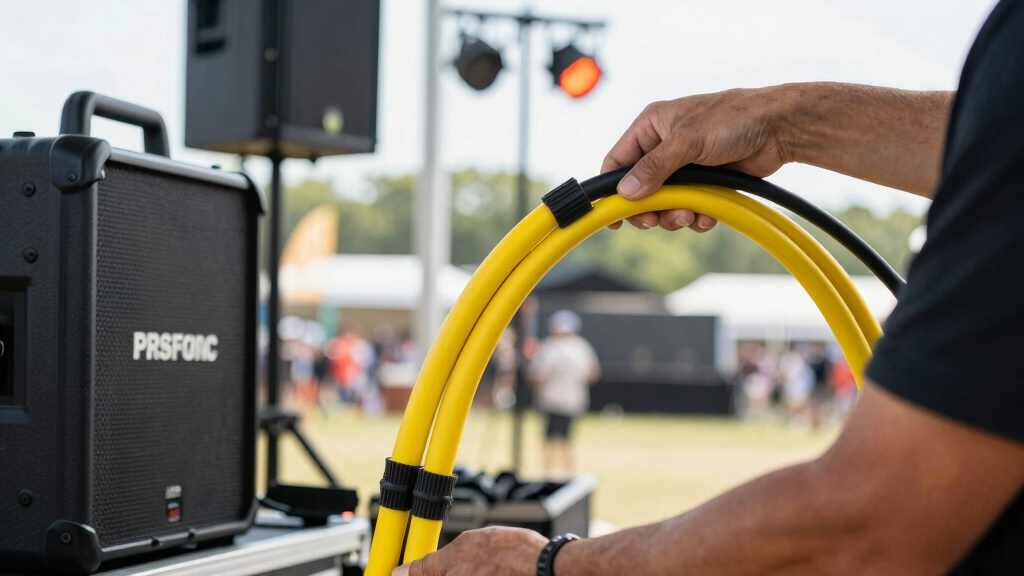
Outdoor event cables face a relentless barrage of rain, sun, dirt, and temperature swings. Weatherproof cables with rugged jackets—think thick rubber or heavy-duty PVC—stand up to these conditions. For example, a rubber-coated speaker cable can resist UV rays and moisture much better than a standard indoor cable. Choosing cables with an IP rating of IP65 or higher ensures they’re protected against dust and water ingress, making them safe and reliable in wet or dusty environments.
Investing in weatherproofing isn’t just about preventing immediate damage; it’s about ensuring long-term reliability. Poor weatherproofing can lead to moisture ingress, which causes corrosion, short circuits, or signal degradation over time. For instance, during a summer festival, a high-quality outdoor XLR cable with an IP67 rating kept sound clear despite a sudden downpour, while cheaper alternatives failed. This demonstrates how the right weatherproofing can be the difference between a successful event and technical chaos. Prioritizing durability minimizes costly replacements and last-minute troubleshooting, making your setup more dependable and your team more confident.
Safety Standards and Certifications You Must Know
Outdoor cables need to meet strict safety standards to prevent accidents, especially when exposed to moisture and physical stress. Certifications like UL, CE, or IP ratings are not just bureaucratic labels—they reflect rigorous testing that ensures the cables can handle real-world conditions safely. For example, UL-certified power extension cords with GFCI protection are designed to shut off power instantly if a fault occurs, reducing the risk of electric shock during wet conditions. This safety feature is crucial because water greatly increases the risk of electrical hazards, and GFCI devices act as a safety net, cutting power before harm occurs.
Understanding the significance of these standards helps you make informed choices. For instance, an IP65-rated cable resists dust and water spray, but an IP67 can withstand immersion, which is vital during heavy rain or unexpected splashes. Using uncertified or low-rated cables might seem like a cost-saving shortcut but can lead to severe consequences—short circuits, equipment damage, or even injuries. Proper grounding and GFCI outlets complement these standards, providing layered safety that protects both your equipment and personnel. Think of safety certifications as the foundation of a secure setup—ignoring them is like building on shaky ground, risking everything.
Choosing the Right Type of Cables for Different Roles
Not all cables are created equal. For outdoor events, selecting the right type is crucial because each role demands specific characteristics. Power cables must handle heavy loads and exposure to elements without overheating or degrading. For example, heavy-duty, outdoor-rated extension cords like the 16/3 gauge UL-listed cords are designed to withstand weather and prevent electrical fires. Using the wrong gauge or non-rated cords can lead to overheating or failure, risking safety and equipment damage.
Audio cables, such as weatherproof XLRs, need shielding against interference and moisture to maintain sound clarity. Data cables, like outdoor-rated Ethernet (Cat6 or Cat7), require UV-resistant jackets and armored shielding to sustain high-speed, reliable connections over long distances. Choosing the right cable type based on its role ensures optimal performance and safety. For instance, an outdoor HDMI cable with an IP rating prevents image degradation during rain, ensuring your visuals stay sharp. Recognizing these distinctions helps prevent signal loss, reduces troubleshooting, and prolongs equipment life — all critical for seamless outdoor operations.
How to Properly Manage and Protect Cables Outside
Long runs and outdoor conditions demand smart management to prevent damage and ensure safety. Planning your layout carefully to minimize excess cable length reduces the risk of tripping hazards and signal loss. Using cable reels helps keep wiring organized, prevents tangles, and makes setup and teardown more efficient. For example, during an outdoor wedding, running cables through PVC conduits kept them safe from rain, foot traffic, and accidental cuts, significantly extending their lifespan.
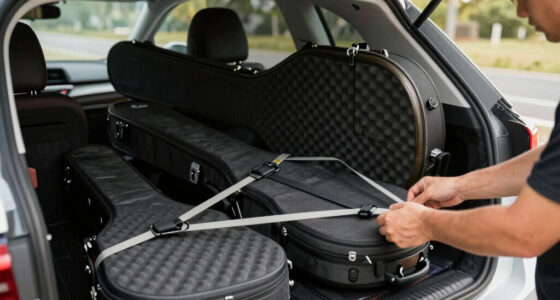
Protecting cables involves routing them through conduits or under heavy-duty covers to shield against environmental factors. Proper securing with stakes or weights prevents cables from blowing away or becoming hazards, especially in windy conditions. Labeling or color coding cables helps you quickly identify lines during setup or troubleshooting, saving time and reducing errors. Regular inspection for wear, cracks, or exposed wires is essential because small damages can escalate into safety hazards or signal issues if left unchecked. Remember, proactive management—like securing cables properly and inspecting regularly—prevents accidents and equipment failures, ensuring your event runs smoothly and safely.
Latest Tech: Smarter and Eco-Friendly Cables for Outdoors
Recent innovations are transforming outdoor setups by enhancing reliability and sustainability. Advanced weatherproofing technologies now incorporate UV-resistant, longer-lasting materials that resist environmental degradation, reducing replacement costs. Some cables even feature integrated sensors that monitor moisture and temperature, providing real-time alerts if conditions threaten performance—this proactive approach minimizes downtime and prevents damage. For example, moisture sensors embedded in cables can notify you of potential water ingress before it causes shorts, allowing timely maintenance.
Wireless tech is also advancing, offering alternatives to cumbersome cabling. Wireless microphones and digital audio links reduce clutter, decrease tripping hazards, and speed up setup. However, their reliability can vary based on interference and range, so they complement but do not entirely replace wired solutions in critical applications.
Eco-friendly options include cables made from recyclable or biodegradable materials. While these cables maintain the same ruggedness as traditional ones, they reduce environmental impact, aligning with sustainable event practices. Choosing such cables not only safeguards your equipment but also demonstrates environmental responsibility, which is increasingly valued in the industry. Embracing these innovations results in longer-lasting, safer, and greener outdoor setups, making your event both successful and sustainable.
What You Must Check Before You Plug In
Before powering up, a thorough inspection of your cables and connections is vital. Examine cables for cracks, exposed wires, or worn jackets—damaged cables compromise safety and signal quality. Confirm that your power sources have GFCI protection, especially in moist environments, as they cut off power instantly if a fault occurs. Properly rated and functioning GFCI outlets are essential safety features that help prevent electrical shocks.
Ensure all connections are tight and secure; loose connections can cause arcing, overheating, or intermittent signals. Using cable ties or clips to organize and secure cables prevents accidental disconnections and reduces tripping hazards. Planning your cable runs to avoid high-traffic areas or waterlogged zones minimizes risks during the event. Always test your entire setup in daylight before the event to identify potential issues—this proactive step can save your setup from last-minute failures and safety concerns. Regular inspection and proper planning create a safer, more reliable environment, ensuring your outdoor event proceeds without unexpected interruptions.