TL;DR
Listen free for 30 days with Audible
Thousands of audiobooks and originals — cancel anytime.
Start your free trialAs an affiliate, we earn on qualifying purchases.
Neatly packing cables reduces setup time and prevents damage. Use proper coiling techniques, secure with Velcro straps, label cables, and store in dedicated cases for easy transport and quick deployment.
Imagine arriving at an event, boxes full of tangled cables spilling out. Frustrating, right? Now picture everything organized, coils neat and secure, ready to plug in. That’s the difference proper packing makes. It’s about saving time, avoiding damage, and keeping your setup stress-free.
Whether you handle sound, lighting, or video, how you pack your cables affects your entire workflow. This guide reveals how to turn chaos into order—so your cables are ready to roll, every time.
Coil cables using the ‘over-under’ technique to prevent twists and kinks.
Secure coils with reusable Velcro straps for quick adjustments and reusability.
Label each cable with color tags or printed labels for fast identification.
Use dedicated, padded cases with compartments to protect and organize cables.
Avoid over-tightening coils and store fragile connectors carefully for longevity.
How to pack cables neatly for event transport
Turn cable chaos into a deployment-ready system. Correct coiling, reusable straps, clear labels and padded cases reduce setup delays, protect connectors and keep sound, lighting and video crews moving.
The four-part packing system
Coil · Secure · Identify · ProtectCoil without introducing a twist
Use the over-under method: form one natural loop, then gently reverse the next. Keep loops consistent and relaxed so the cable can unroll cleanly across a stage.
Secure with gentle, reusable wraps
Place a Velcro strap around the finished coil without compressing it. Unlike single-use zip ties, a reusable wrap can be opened, repositioned and used gig after gig.
Make every cable scannable
Use durable tags at both ends: red for power, blue for audio and yellow for video. Add length, destination or a QR inventory code when the setup is complex.
Give connectors a safe zone
Place fragile ends in padded compartments or wrap them with foam. Prevent plugs from sitting beneath heavy coils, touching sharp tools or absorbing impacts in transit.
Pack in deployment order
Keep frequently used cables near the top or door side of the case. Group by function and length so the crew retrieves exactly what it needs without emptying the container.
Transport clean and dry
Remove grime before packing and isolate damp cable. Keep cases away from moisture, sharp objects and extreme temperatures that can degrade jackets and connections.
The five-step pack-down flow
Standardize the sequence across the crew. Consistency makes teardown faster and helps every case arrive ready for immediate deployment.
Inspect
Check the jacket, strain relief and connector before storage.
Coil
Follow the cable’s natural lay using over-under loops.
Strap
Secure the coil with reusable Velcro—firm, never tight.
Label
Confirm type, length and destination at a glance.
Case
Stack by weight, cushion connectors and stop movement.
Respect the cable’s natural memory
Start at one connector and let the cable settle into the first loop. On the second loop, rotate your hand inward to reverse the lay. Continue alternating. Do not force every loop in the same direction—that stores torsion and creates spirals when the cable is deployed.
Which packing method performs best?
Proper coiling plus a reusable strap offers the strongest balance of speed, protection and repeat use. A padded bag performs well when coils are already organized inside it.
| Method | Setup speed | Damage prevention | Reusability | Verdict |
|---|---|---|---|---|
| Proper coiling + Velcro | High | High | High | Best system |
| Plastic zip ties | Moderate | Moderate | Low | Avoid pressure |
| Padded cable bag | High | High | High | Strong support |
| Loose box packing | Low | Low | Moderate | Tangle risk |
Build the case from heavy to fragile
Transport architectureStop movement
Fill unused space with dividers or foam so coils cannot shift and crush plugs during braking or loading.
Separate cable families
Keep power, audio and video in distinct labeled zones to speed retrieval and reduce connection errors.
Keep an inventory
Use printed tags or QR labels to record type, length, case location, inspection status and ownership.
Choose durable containers
Compartments, padding, stackable shells and strong handles protect equipment while improving load-in efficiency.
Four mistakes that cost time and cable life
A packed case can look tidy and still hide damaging tension, unsupported connectors or poor deployment logic. Check these risks before closing the lid.
Coiling too tightly
Small, forced loops stress conductors and create sharp bends. Match loop size to cable thickness and construction.
Using zip ties as permanent straps
Over-tightened plastic ties pinch jackets, require cutting and create unnecessary single-use waste.
Leaving coils unlabeled or loose
Unsecured cable unravels in transit; unidentified cable turns setup into a time-consuming search.
Loading weight onto connectors
Heavy coils can bend plugs and strain terminations. Place weight low and cushion delicate ends above it.
Quick answers for the crew
Field FAQHow do we stop cables tangling in transit?
Use over-under coils, close each coil with Velcro and place it in a dedicated compartment that limits movement.
What is the fastest identification system?
Combine color tags with printed type and length labels. Add QR codes when inventory or maintenance records matter.
How should fragile connectors be packed?
Use padded compartments, foam or bubble wrap, and keep connector ends away from heavy coils and sharp objects.
How do we fit more cable safely?
Use consistent coil sizes and stackable divided cases. Pack by weight and usage frequency without forcing or compressing coils.
Master the Art of Cable Coiling to Prevent Tangles
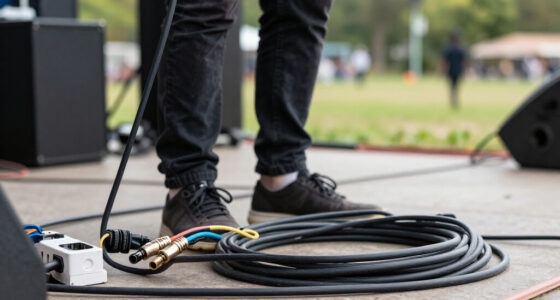
Cable coiling is the foundation of neat packing. The goal? Create loops that don’t kink or twist. Use the “over-under” technique—coil in one direction, then gently reverse—this prevents twists and makes uncoiling faster during setup. For example, a 10-meter XLR cable should be coiled into about 8-inch loops, secured with a Velcro strap, not a rubber band.
When you coil correctly, you avoid knots that turn into hours of frustration. Plus, it’s easier to label and store. Think of it like winding a garden hose; the right method prevents kinks that weaken the hose over time. This technique also allows for smoother uncoiling, which is critical when you’re on a tight schedule. The tradeoff? It takes a little more attention to detail during packing, but the time saved during setup makes it well worth the effort.
As an affiliate, we earn on qualifying purchases.
Use the Right Tools to Keep Cables Secure and Organized
Velcro straps are your best friend. Unlike zip ties, they are reusable, adjustable, and gentle on cables. This flexibility means you can tighten or loosen your coils easily, which minimizes stress on the cable conductors—an important factor for longevity. Over-tightening zip ties can pinch and damage cables, leading to potential failures during events. A good set of 4-inch Velcro wraps costs less than $10 and lasts for years. For example, on a typical gig, you might use 20 straps to keep your 50 meters of audio, power, and video cables tidy, reducing the risk of damage from unnecessary tension or compression.
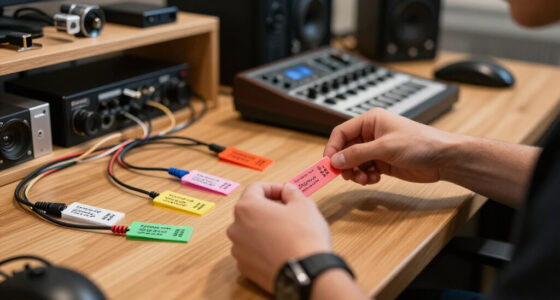
Label cables with color-coded tags or printed labels. Red for power, blue for audio, yellow for video—quick to scan at a glance. It saves you from digging through tangled messes when time is tight. Proper labeling also reduces the risk of plugging in the wrong cable, which can cause equipment damage or operational issues. The tradeoff? Applying labels takes a minute but pays off during quick setup, especially in dark or busy environments, ensuring you connect everything correctly the first time.
As an affiliate, we earn on qualifying purchases.
Pack Cables in Dedicated Cases to Maximize Space and Safety
Using purpose-built cable bags or cases makes a world of difference. Look for models with compartments, padded sections, or roll-up features. These features allow you to organize cables by type, length, or priority, making retrieval faster and easier. For example, a 20-inch DJ cable bag with multiple pockets can hold dozens of cables, neatly separated, which reduces the time spent searching for the right one during setup. Proper organization also minimizes the risk of damaging delicate connectors—each cable stored in its designated slot prevents unnecessary bending or crushing that could compromise performance.
Arrange your coils in the case so that heavy cables sit at the bottom, lighter ones on top. This prevents crushing delicate connectors and keeps everything stable during transport. Think of your case as a mini storage unit—organized, protected, ready to go. The tradeoff is investing in quality cases, but the long-term benefits of protecting your gear and speeding up setup make this a worthwhile expense.
cable labeling tags for event equipment
As an affiliate, we earn on qualifying purchases.
As an affiliate, we earn on qualifying purchases.
Comparison Table: Packing Techniques and Their Benefits
| Method | Speed | Damage Prevention | Reusability |
|---|---|---|---|
| Proper Coiling + Velcro | Fast | High | High |
| Using Zip Ties | Moderate | Moderate | Low |
| Rolling in a Bag | Fast | High (with padding) | High |
As an affiliate, we earn on qualifying purchases.
Avoid Common Packing Mistakes That Waste Time and Damage Cables
Many people coil cables too tightly, causing stress on the conductors, which can lead to internal damage over time. Others skip labeling, making setup a game of ‘find the right cable,’ which delays the entire process. Forgetting to secure coils properly—such as leaving them loose—can result in tangles during transit, increasing the risk of damage and wasting valuable time during setup and tear-down. For instance, a loosely coiled cable can unravel in the van, creating a mess and forcing you to re-coil everything on-site, wasting precious minutes.
Always double-check your coils, secure with Velcro, and label everything. It’s a small step that saves big headaches and reduces the likelihood of damage caused by unnecessary movement or improper handling during transport.
Tips for Space-Saving, Safe Transport of Cables
Stack coils neatly in cases, avoiding stacking heavy cables on delicate ones, which can cause crushing or bending of connectors. Use foam padding or bubble wrap in cases for fragile connectors to absorb shocks and prevent damage. For example, a 15-meter power cable stored in a padded compartment prevents bending or crushing of the plug ends, extending its lifespan. Proper padding also helps prevent accidental disconnections during transit, ensuring all connectors arrive intact and ready to use.
During transport, keep cables away from sharp objects, moisture, and extreme temperatures. Think of your setup as a mini cargo load—organized, padded, and protected from the bumps and jostles of transit. The tradeoff? Investing in protective padding and careful packing adds some prep time but significantly reduces repair costs and downtime after gigs, safeguarding your investment in quality gear.
Frequently Asked Questions
How do I prevent cables from tangling during transport?
Use the ‘over-under’ coiling method, secure coils with Velcro straps, and store them in dedicated compartments or cable bags. This keeps everything tidy and ready for quick deployment.
What is the best way to label cables for quick identification?
Attach color-coded cable tags, printed labels, or QR codes. This allows you to identify and connect the right cable instantly, saving precious setup time.
Are there tools or products that make cable management easier?
Yes. Reusable Velcro straps, cable sleeves, and dedicated cable bags with compartments are highly effective. They streamline packing and protect your gear during transit.
How can I protect fragile connectors during transport?
Place fragile connectors in padded compartments or wrap them with foam or bubble wrap. Keep them away from sharp objects, and store in padded cases for maximum safety.
What are space-saving tips for packing multiple cables?
Coil cables tightly, stack coils in labeled compartments, and use stackable, padded cases. Organizing by usage frequency also helps quick access during setup.
Conclusion
Neat cables don’t just look good—they save you hours during setup and tear-down. Master the art of proper coiling, secure everything with Velcro, and store in organized cases. Your future self will thank you every time you roll into an event, ready to go.
Remember, a little prep today means smoother gigs tomorrow. Think of your cables as the backbone of your setup—treat them right, and they’ll serve you well for years to come.
NFL season / tailgating Picks
team gear
As an affiliate, we earn on qualifying purchases.