TL;DR
Prime for Young Adults — start your free trial
Fast free delivery, streaming and member deals for eligible 18–24 year olds.
Try it freeAs an affiliate, we earn on qualifying purchases.
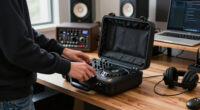
The right mobile DJ table should be lightweight, stable, and easy to set up, fitting your gear and transport needs. Avoid common pitfalls like wobbling or oversize options that don’t fit your vehicle. Focus on durability and compatibility for smooth gigs.
How to Select the Ideal Mobile DJ Table
The table isn’t just a surface — it’s the backbone of your entire setup. The right one is lightweight, stable, and sets up in minutes. The wrong one means wobbling gear, back strain, cluttered cables, and a sloppy look clients remember for all the wrong reasons.
// Key Insight
“A typical mobile DJ sets up and tears down over 100 times a year.”
That makes durability and quick-setup features far more important than size or price alone. Buy for the 100th gig, not the first.
<5 min
Tool-free assembly target
2×
Load rating vs. gear weight
100+
Setups & teardowns per year
150–200
Lbs pro-grade load capacity
36–42″
Standing working height
<50 lbs
Ideal fold-flat table weight
48″×24″
Most common tabletop size
01 — Fit Your Gear & Space
Measure First. Buy Once.
Start with your controller, mixer, and speakers. Measure your gear before buying — an oversized table is a transport nightmare, and an undersized one cramps your workflow and risks damaging equipment.
// Surface width required by rig type
Rule of thumb: table width ≥ gear width + 12″ clearance
Laptops, controller arms, and cables need room to breathe. 24″ is common — choose 30″ for multiple devices or a large mixer.
A DDJ-800 (24″) plus a small mixer fits comfortably on a 48″ table without overcrowding. Step up to 60″ for CDJ rigs.
The folded table must fit your car or van alongside speakers and lighting. Measure your cargo space before committing to a size.
02 — The Make-or-Break Checklist
5 Features That Decide Performance
Each feature involves a trade-off — weight vs. strength, cost vs. durability, size vs. portability. Balance them against your typical gig environment.
Portability
Weight & Folding
Look for tables under 50 lbs that fold flat — ideally into a single carry bag. Aluminum frames are light and corrosion-resistant; steel is tougher but punishing on solo load-ins.
Target: <50 lbs + carry bag
Stability
Load Capacity
Wobble is the #1 complaint with cheap tables. Choose a rating at least double your gear’s weight — a safety margin against sagging, shifting, and data loss mid-set.
Target: 150–200 lbs rated
Ergonomics
Height & Posture
You stand for 4–6 hours. Wrong height means awkward posture, strain, and fatigue. Adjustable feet also compensate for grass, patios, and uneven old halls.
Target: 36–42″ + adj. feet
Build
Materials
Aluminum tops: light, durable, weatherproof. Steel frames: strong but heavy. MDF: solid feel and cheap, but vulnerable to drink spills and outdoor moisture.
Outdoor? Aluminum or laminated
Appearance
Cable Management
Built-in channels, hidden power-strip shelves, and rear access panels separate purpose-built booths from generic tables — less clutter, fewer trip hazards, faster setup.
Look for: Routing channels
Bonus
Scrim / Facade
Lycra panels hide cables and gear — expected at weddings and corporate gigs. White takes uplighting beautifully. Check for flame-retardant certification: many fire marshals require it.
Note: Fire-retardant fabric
03 — Material Trade-offs
Aluminum vs. Steel vs. MDF
Material choice directly drives weight, durability, and weather resistance. Match the build to where you actually gig.
| Material | Weight | Durability | Outdoor Use | Cost | Best For |
|---|---|---|---|---|---|
| Aluminum | ✓ LightestEasy solo load-ins | ~ Dents easilyBut never rusts | ✓ ExcellentCorrosion-resistant | ~ Mid–high | Mobile booths, outdoor & frequent gigs |
| Steel | ✗ HeavyTough on transport | ✓ StrongestHandles abuse | ~ Rust riskNeeds coating/cover | ✓ Cheaper | Indoor venues, maximum frame strength |
| MDF / Wood Top | ~ ModerateSolid, planted feel | ~ Solid feelSurface can chip | ✗ PoorSpills & moisture warp it | ✓ Lowest | Indoor or covered venues, budget builds |
✓ Recommended · ~ Acceptable with caveats · ✗ Avoid for this use | Outdoor column is the deciding factor for most mobile DJs
04 — Budget Tiers
What Each Price Point Buys
The post-pandemic events rebound flooded the market with budget brands. Know what you give up at each tier before you spend.
Budget
$100–200
Entry-level & side-hustle DJs
- Generic folding tables & basic stands
- ~50 lbs load rating — wobble risk
- No scrim or cable routing included
- Fine to start; upgrade within a season
// Amazon budget brands
Mid-Range
$200–500
Working weekend DJs
- Scrims included, decent folding frames
- Respectable stability & load ratings
- Carry bags often bundled
- Best value for most mobile setups
// Rockville · Gator Frameworks
Professional
$500–2,000+
Full-time & premium-event DJs
- 150–200+ lb ratings, rock-solid tops
- Tool-free sub-5-minute assembly
- Built-in power mounts & cable trays
- Modular facade / table / shelf modes
// ProX · Odyssey · ADJ Pro Event Table
05 — Decision Path
From Gear List to Gig-Ready in 6 Steps
Step 01
Measure Gear
Controller, mixer, laptop — width and depth.
Step 02
Pick Size
Gear width + 12″ clearance; check vehicle fit.
Step 03
Verify Load
Rating ≥ 2× your gear weight. No flex.
Step 04
Set Height
36–42″ with adjustable feet for rough floors.
Step 05
Route Cables
Channels, hidden shelves, rear access panels.
Step 06
Add Scrim
Fire-retardant facade for a polished, pro look.
💡 The visual impression of your setup directly influences the perceived quality of your performance — and client referrals.
06 — Market Shifts
Trends Reshaping DJ Tables
The booth has evolved from a folding table into a modular, lit, powered centerpiece of the rig.
// Sizing Shift
Controllers Killed the Big Console
As all-in-one controllers replaced CDJ rigs for mobile work, compact booths sized for controllers now grow faster than large console formats.
// Lighting Merge
LED & DMX Facades
Scrim panels paired with uplighting or sound-reactive LED bars moved from novelty to common upsell — the table doubles as a lighting element.
// Speed Race
Ultralight Quick-Fold Designs
Competition on tool-free assembly: some aluminum booths fold flat into a single carry bag and deploy in under 10 minutes — many in under 5.
// Compliance
Fire-Retardant Scrims Required
Many venues and fire marshals demand flame-retardant fabrics with certification — a real purchasing factor most buying guides miss entirely.
How to Pick a DJ Table That Fits Your Gear & Space
Start with your controller, mixer, and speakers. A typical all-in-one controller needs around 26–36 inches of width, while larger setups with CDJs and mixers require 48 inches or more. Measure your gear before buying to avoid surprises.
For example, if you own a Pioneer DDJ-800 with a 24-inch width, plus room for a small mixer, a 48-inch table gives enough space without overcrowding.
Remember, depth is just as critical—laptops, arms, and cables need room to breathe. A 24-inch depth is common, but 30 inches is better if you have multiple devices or a large mixer.
Understanding these measurements helps you avoid purchasing a table that’s either too cramped or unnecessarily large. An oversized table can be cumbersome to transport and set up, while a too-small one hampers your workflow and can damage equipment or look unprofessional. Proper sizing ensures your setup is both efficient and visually appealing, contributing to a confident performance.
mobile DJ table lightweight durable
As an affiliate, we earn on qualifying purchases.
As an affiliate, we earn on qualifying purchases.
The 5 Key Features That Make or Break Your Table’s Performance
- Portability and weight: Look for tables under 50 lbs that fold flat for easy transport. Consider aluminum frames—they’re lightweight and corrosion-resistant. This tradeoff impacts durability—aluminum is more prone to dents but resists rust, making it ideal for outdoor gigs. Heavier materials like steel are more durable but can make setup and transport more challenging, especially if you’re solo or moving between venues frequently. Balancing weight with strength is crucial to avoid fatigue and ensure quick setup times.
- Stability and load capacity: Wobbly tables ruin your setup. Choose models rated for at least double your gear’s weight—most pros aim for 150–200 lbs capacity. A stable table prevents gear from shifting or falling, which could cause damage or data loss. For outdoor or uneven surfaces, stability becomes even more critical; adjustable feet can compensate for uneven ground but only if the table’s frame is sturdy enough to handle the load without flexing. The right capacity also provides a safety margin—your gear is heavy, and the table must hold it securely over multiple gigs without sagging or wobbling.
- Height and ergonomics: Standing for hours? Aim for a table height around 36–42 inches. Adjustable feet help on uneven ground. Proper ergonomics reduce fatigue, prevent back pain, and improve your performance. A poorly chosen height forces you into awkward postures, which can cause strain over time. Adjustable features allow customization based on your height, the venue’s setup, and whether you’re seated or standing. This flexibility ensures you maintain comfort and focus throughout long sets, and it projects professionalism to clients who expect a polished appearance.
- Materials and build: Aluminum tops are lighter and durable. Steel frames add strength but increase weight. MDF tops feel solid but can be vulnerable outdoors. The choice of materials directly affects weight, durability, and weather resistance. For outdoor gigs, weatherproof materials like aluminum or laminated surfaces protect your gear and prevent warping or damage. Steel frames, while more durable, add significant weight, making transport harder. MDF is cost-effective but susceptible to moisture—so it’s better suited for indoor use or covered venues. Weighing these tradeoffs helps you select a table that balances portability with longevity, tailored to your typical gig environment.
- Appearance and cable management: A clean look with hidden cables and optional scrims makes your setup more professional, especially for weddings and corporate gigs. Good cable management reduces clutter, trip hazards, and setup time, while visually tidy setups impress clients and clients’ guests. Features like built-in channels, rear access panels, or fabric facades help conceal wires and power supplies, creating a sleek presentation. Investing in aesthetic details enhances your brand image, boosts confidence, and can even influence client referrals. Remember, the visual impression of your setup often influences the perceived quality of your performance.
portable DJ table with quick setup
As an affiliate, we earn on qualifying purchases.
As an affiliate, we earn on qualifying purchases.
As an affiliate, we earn on qualifying purchases.
As an affiliate, we earn on qualifying purchases.
NFL season / tailgating Picks
team gear
As an affiliate, we earn on qualifying purchases.