TL;DR
Listen free for 30 days with Audible
Thousands of audiobooks and originals — cancel anytime.
Start your free trialAs an affiliate, we earn on qualifying purchases.
Selecting the best wireless microphone involves matching your event’s size and environment with the right type, frequency, and features. Digital systems, interference control, and battery life are key factors for reliable performance.
Imagine a wedding reception where the singer’s microphone keeps cutting out, or a corporate seminar where the speaker struggles with static and dropouts. Frustrating, right? The right wireless microphone setup can make or break an event’s success. It’s not just about picking a mic—it’s about understanding how different systems fit your venue, your budget, and your performance style.
This guide walks you through the key factors—like frequency choice, environment, and battery life—so you can confidently select the best wireless mics for any event. Whether you’re a mobile DJ, event coordinator, or venue owner, this info will help you avoid common pitfalls and keep your sound crisp and reliable.
Match your microphone type to your event—handheld, lavalier, or headset—for seamless use.
Prioritize UHF systems for larger venues or complex setups due to their greater channel capacity and interference resistance.
Always scan and select clear frequencies before your event to prevent dropouts, especially in RF-dense environments.
Test your system in the actual venue to check signal range and interference, avoiding surprises during the event.
Choose systems with at least 6-8 hours of battery life, and have backups ready to keep performances running smoothly.
Pick the Right Microphone Type for Your Event
The first step is choosing the right type of wireless microphone. The most common are handheld, lavalier (lapel), headset, and instrument mics.
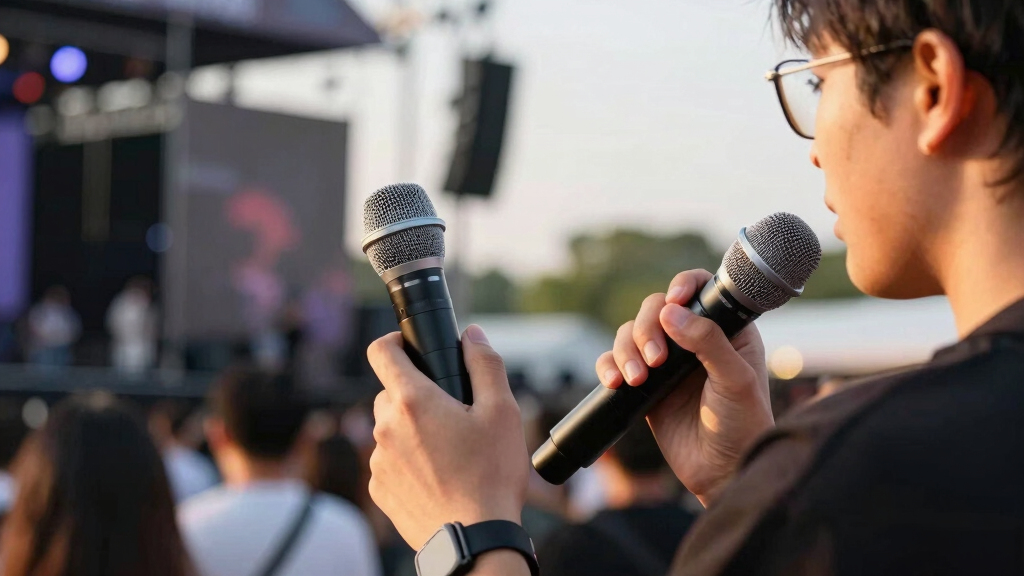
Handheld microphones are perfect for speeches, performances, or any situation where someone needs to hold the mic. Think of a stand-up comedian or a singer with a wireless handheld—like the Shure SM58 model, priced around $100, known for durability and clear sound. They are versatile and easy to pass between speakers, but their bulk can be less discreet for certain applications.
Lavalier mics are tiny, clipped to a collar or lapel, ideal for interviews or presentations. They allow the speaker to move freely without holding a mic, which is essential for dynamic presentations or theatrical performances. For example, a wedding officiant or a presenter on stage benefits greatly from this setup. The Rode Lavalier GO, around $80, is a popular choice that integrates seamlessly with many wireless systems, but the tradeoff is that they may pick up ambient noise more easily and can be less robust for high-energy performances.
Headset mics provide hands-free operation, offering a stable position and consistent audio pickup, which is crucial for stage performers, fitness instructors, or any activity requiring movement. The Sennheiser HSP 4, about $130, offers excellent clarity and durability, but they can be less comfortable for long wear if not fitted properly. The choice here impacts mobility and comfort, directly influencing the quality and reliability of your sound during active performances.
Instrument mics wirelessly connect guitars or keyboards, offering performers freedom of movement. While less common for speech, they are invaluable for live music and stage bands. For example, a guitarist performing on stage would benefit from models like the Line 6 Relay G10S, priced around $150, which provide reliable, interference-resistant connections. The key tradeoff is that these systems often require specific connections and may have limited versatility for other uses, so understanding your primary application guides the best choice.
Understanding these tradeoffs helps ensure your setup enhances the event rather than complicating it. For instance, choosing a lavalier over a handheld for a speaker who needs to move around freely can prevent handling noise and improve audience engagement. Conversely, a performer might prefer a handheld for its robustness and ease of use. Deeply considering your event activities and environment ensures you select a mic type that supports your performance style and logistical needs.
As an affiliate, we earn on qualifying purchases.
Understanding Frequency Choices: UHF vs. VHF
Wireless microphones operate on different frequency bands—most notably UHF and VHF. UHF, or Ultra High Frequency, offers more channels and less interference, making it preferable for complex setups where multiple mics are used simultaneously. VHF, or Very High Frequency, is older and cheaper but more prone to static and interference. The choice between them significantly impacts your event’s reliability and audio quality.
For example, in a small outdoor wedding with minimal RF interference, a VHF system like the Shure PG58 Wireless might suffice. It’s affordable and easy to set up, but if you’re hosting a large corporate event in a crowded city environment, a UHF system such as the Sennheiser EW 112P G4, priced around $500, is better suited. UHF systems can handle multiple channels without interference, ensuring each microphone maintains a clear connection even in RF-dense environments.
The tradeoff is that UHF systems tend to be more expensive and sometimes bulkier, but they offer greater stability. VHF systems, while more budget-friendly, can suffer from static, dropouts, or interference when many RF signals are present—common in urban or technologically dense venues. Understanding these distinctions helps you decide whether you prioritize cost or reliability, which is crucial because poor audio quality can ruin a presentation or performance. For high-stakes events, investing in a UHF system minimizes the risk of disruptions, while VHF might be suitable for casual or small-scale settings. Balancing budget constraints against the need for dependable performance is key to choosing the right frequency band.
As an affiliate, we earn on qualifying purchases.
How to Prevent Interference and Dropouts
Wireless interference can turn a smooth event into a technical nightmare. The key is proactive frequency management and environment awareness. Interference occurs when multiple RF signals overlap, causing dropouts or static that disrupt sound quality. This can be especially problematic in crowded venues where many wireless devices operate simultaneously, such as Wi-Fi networks, Bluetooth gadgets, and even microwave ovens.
Follow these steps:
- Scan frequencies before the event to identify clear channels. Many systems, like the Shure ULX-D, have built-in scan features—these automatically identify the least congested frequencies, which is vital because it prevents your system from competing with other RF signals. This proactive step reduces the likelihood of dropouts during critical moments.
- Use diversity receivers that switch between antennas or frequencies to maintain signal stability during temporary signal loss. This technology is especially important in environments with physical obstructions or high RF traffic, such as outdoor festivals or multi-room venues. It helps ensure your audio remains consistent even if one antenna or frequency path experiences interference.
- Keep other RF devices away—Wi-Fi routers, Bluetooth gadgets, microwave ovens, and even certain LED lights can interfere with your microphone signals. For outdoor events, consider RF shielding or frequency hopping systems that dynamically change channels to avoid interference. This adaptive approach is crucial in environments with many competing RF signals, as static frequencies can quickly become congested.
- Stick to licensed frequencies if your event is large or in a dense RF environment. Licensing ensures your system operates on protected channels, significantly reducing the risk of conflicts with other wireless gear. This is especially critical for professional events where sound quality is paramount, and interference can ruin the experience. Licensing also typically offers legal protection and clearer guidelines for operating in crowded RF spaces.
For example, during a recent outdoor wedding, a DJ used a digital UHF system with automatic frequency scanning. When a nearby Wi-Fi hotspot started causing static, the system seamlessly switched channels, keeping the speech crystal clear. This illustrates how understanding and managing RF environments proactively can prevent disruptions and ensure reliable sound, making your event smoother and more professional.
Amazonhandheld wireless microphone Shure SM58
As an affiliate, we earn on qualifying purchases.
As an affiliate, we earn on qualifying purchases.
Matching Range to Your Venue Size
The right wireless microphone system must comfortably cover your entire venue. For small rooms, a 100-meter (about 330 feet) range is more than enough. For large outdoor festivals or sprawling venues, aim for 300 meters or more to prevent dead zones and dropouts. The actual effective range depends on obstacles, interference, and antenna placement, so understanding these factors helps you choose a system that provides consistent coverage.
Suppose you’re hosting a seminar in a hall with 200 seats. A system like the Sennheiser EW 100 G4, with a 100-meter range, will keep everyone heard without dropout, assuming proper setup. But if you’re setting up at a festival with a sprawling outdoor stage, look for systems with at least 300 meters of range—like the Audio-Technica System 10, which covers up to 200 meters but can be extended with additional antennas. The key is to match your system’s specifications with your venue’s size and layout.
Remember: walls, trees, and crowds all affect signal reach. Signal strength diminishes with obstacles, so testing your setup in the actual environment is critical to ensure coverage and avoid surprises during the event. Investing in a system with a slightly larger range than your venue requires provides a buffer, ensuring consistent performance even if obstacles or interference are present. Conducting a site survey and testing the system during setup helps identify potential dead spots, allowing you to reposition antennas or enhance coverage with repeaters if necessary.
Amazonlavalier wireless microphone Rode Lavalier GO
As an affiliate, we earn on qualifying purchases.
As an affiliate, we earn on qualifying purchases.
Choosing the Best Battery Life for Long Events
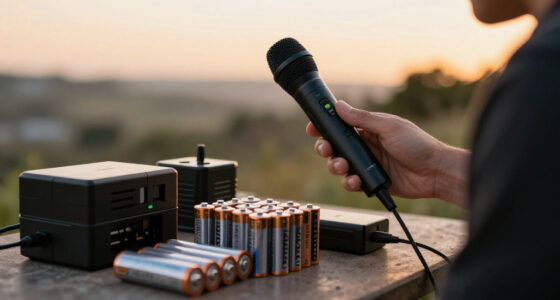
Nothing kills the vibe faster than dead batteries. For events lasting more than 4 hours, pick systems with at least 8 hours of battery life to ensure continuous operation without interruption. Longer battery life minimizes the need for frequent replacements or recharges, which can disrupt performances or speeches. Rechargeable batteries are a smart choice—they save money over time and reduce waste, while offering consistent power during the event.
For example, the Rode Wireless GO II boasts about 7 hours of battery life, which suits shorter events but might be tight for all-day conferences. The Sennheiser AVX system, on the other hand, can last up to 12 hours on a single charge—ideal for multi-day festivals or lengthy presentations. When choosing a system, consider your event schedule and whether quick changes or recharges are feasible. Long-lasting batteries provide peace of mind, especially in situations where timely access to power outlets is limited.
Always carry spare batteries or a portable charger. Quick-charging systems that provide 50% charge in about 15 minutes are especially useful for back-to-back performances. Evaluating your event’s duration and logistics helps you select a system that remains powered throughout, reducing technical worries and allowing you to focus on delivering a great performance.
How to Make Setup Quick and Easy
Time is money, especially when setting up for an event. Choose systems with straightforward pairing processes, clear indicators, and automatic sync features. Wireless systems with automatic frequency synchronization save you from manual tuning, reducing setup time and minimizing errors. This is particularly valuable when preparing multiple systems or working under tight schedules.
For instance, the Shure SLX series offers quick setup—turn on the system, select a free channel, and it automatically syncs. Use a frequency scanner app or built-in feature to identify and lock onto clear channels, ensuring minimal interference and a stable connection. This proactive step prevents last-minute troubleshooting, saving valuable time during setup. Organizing your gear and labeling cables beforehand also streamlines the process, especially in complex setups.
Practicing connecting everything in advance ensures a smooth setup, reducing stress and potential technical issues during the event. Investing in systems with intuitive interfaces and automated features can drastically cut down setup time, allowing you to focus on other critical preparations and ensuring a seamless event experience.
Frequently Asked Questions
What is the best wireless microphone for outdoor events?
For outdoor events, look for UHF systems with high RF stability, like the Sennheiser EW 112P G4. They offer greater range and less interference from environmental factors. Always test outdoor signal reach before the event begins.How do I avoid interference with wireless microphones?
Scan for clear frequencies before the event and use systems with frequency agility and diversity antennas. Keep other RF sources like Wi-Fi routers away from your setup for optimal performance.Are digital wireless microphones better than analog?
Digital systems generally provide cleaner audio, better interference resistance, and encryption options. However, they tend to cost more. Choose based on your event size and budget—digital is ideal for large, critical events.What is a realistic budget for a reliable wireless microphone system?
A solid, professional system like the Sennheiser EW 112P G4 or Shure ULX-D can range from $300 to over $1,000, depending on features. For casual or smaller events, systems around $200-$400 often suffice.How long should batteries last for long events?
Aim for systems with at least 6-8 hours of battery life. Rechargeable batteries and quick-charging options help manage longer events without interruption.Conclusion
Picking the right wireless microphone isn’t about fancy features—it’s about matching your event’s specific needs with reliable, easy-to-use gear. Think about your venue size, environment, and how long you need power. A little prep goes a long way toward flawless sound.
Remember, the best system is the one that stays silent when it should and sounds clear all night. When in doubt, test everything beforehand. Your audience will thank you for it—and so will your nerves.
FALL YARD WORK Fall yard work Picks
leaf blowersleaf blowers
As an affiliate, we earn on qualifying purchases.