
TL;DR

Get audio and creator gear delivered free — and shop member deals
- Fast, free delivery on millions of items
- Access to Prime Big Deal Days deals on October 6–7
- Prime Video, Amazon Music and more included
Proper cable securing in flight cases prevents damage, tangling, and interference. Using organized bundling, padding, and durable hardware extends cable life and simplifies setup.
Use Velcro straps or reusable cable ties to keep cables organized and tangle-free.
Invest in custom foam inserts for maximum protection against shocks and impacts.
Route cables strategically, separating power and data lines to prevent interference.
Take advantage of modular case designs with built-in cable management features.
Regularly inspect and replace securing materials to maintain safety over time.
How to Keep Cables Tangle-Free and Ready to Go
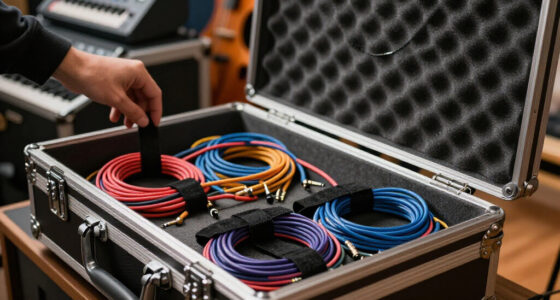
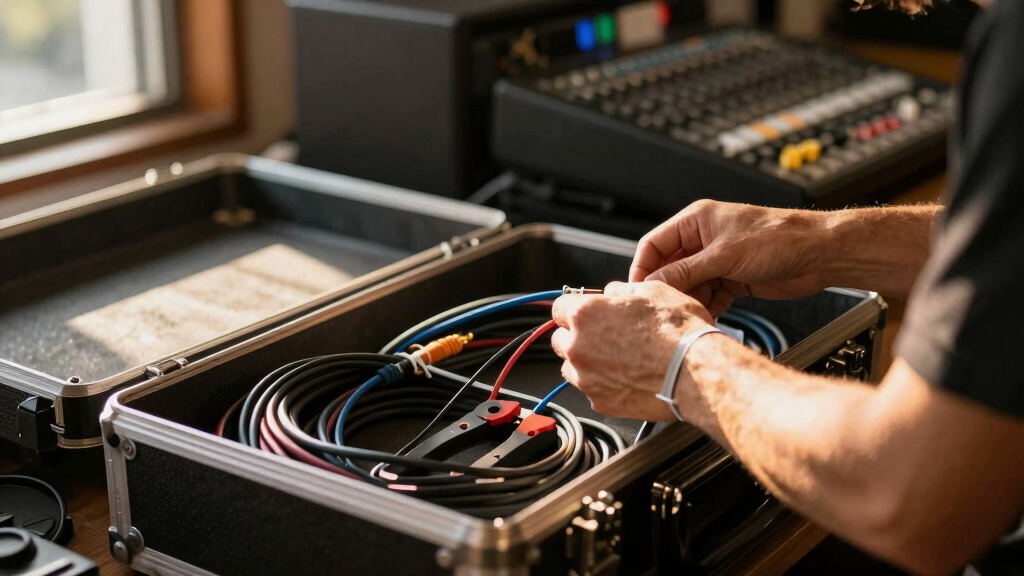
Securing cables properly starts with smart organization. Use Velcro straps or reusable cable ties to bundle cords into neat loops. For example, coiling a 15-foot XLR cable into a loose loop, then wrapping it with Velcro, prevents tangling and makes unpacking faster. Label each bundle with a color code or tag—red for power, blue for audio—so setup is quick and error-free. Avoid just tossing cables into the case; tangled cables slow you down and risk damage during transit.
Deeply understanding why this matters: tangled cables not only increase setup time but also risk damaging connectors or internal wiring. Proper bundling reduces strain on the cable ends, prolonging their lifespan. The tradeoff is that overly tight bundles can cause kinks or stress points; hence, loose loops with proper padding are optimal. This method ensures both efficiency and longevity, especially when dealing with multiple cables under tight schedules.
Velcro cable straps for organizing cables
As an affiliate, we earn on qualifying purchases.
As an affiliate, we earn on qualifying purchases.
Choosing the Right Padding to Protect Cables During Transit
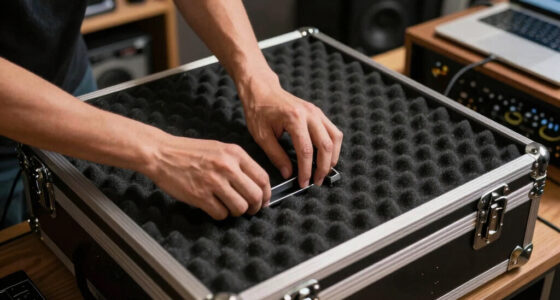
Protection from physical damage is critical. Foam inserts, especially memory foam or custom-cut foam, cradle each cable, preventing movement and kinks. For example, a flight case with foam cutouts tailored for 10 XLRs and 4 power cables keeps everything snug. When cables shift during transport, they can bend or break. Padding acts like a shock absorber, especially important for fragile connectors or sensitive data cables. Remember, a well-padded case can withstand rough handling without damaging your gear.
Delving into why this matters: improper padding can lead to micro-movements that cause internal wear and tear over time, especially when transporting delicate equipment. The tradeoff involves balancing protection with accessibility; overly dense padding can make it difficult to retrieve cables quickly, while too little padding risks damage. Investing in quality foam inserts tailored to your cables ensures they stay secure, reducing repair costs and extending their useful life, which is especially crucial for high-value gear.
custom foam inserts for flight cases
As an affiliate, we earn on qualifying purchases.
As an affiliate, we earn on qualifying purchases.
How to Route Cables for Safety and Efficiency
- Start by planning your cable paths. Keep power and data cables separate to avoid interference.
- Route cables along the sides or back of the case, avoiding tight bends.
- Use cable guides or clips inside the case to hold cables in place.
- Ensure cables do not block ventilation or access to connectors.
Understanding the importance of this: improper routing can cause electrical interference, signal degradation, or physical damage due to sharp bends or strain. The tradeoff involves balancing accessibility with protection; overly rigid routing might hinder quick setup, while disorganized cables risk damage. By thoughtfully planning cable paths, you ensure reliable performance and reduce troubleshooting time, especially in complex setups where multiple cables cross paths or need to be accessed frequently.
cable management case with built-in compartments
As an affiliate, we earn on qualifying purchases.
As an affiliate, we earn on qualifying purchases.
Comparison Table: Materials and Accessories for Securing Cables
| Material/Accessory | Pros | Cons |
|---|---|---|
| Velcro Straps | Reusable, adjustable, quick to secure | Can wear out over time, less secure under heavy tension |
| Reusable Cable Ties | Strong, inexpensive, hold tight | Single-use, harder to re-adjust |
| Foam Inserts | Protects against shocks, custom-fit | More expensive, requires shaping |
| Cable Reels/Reels | Helps organize long cables, prevents tangling | Bulkier, needs additional storage space |
Choosing the right materials involves understanding the tradeoffs: while Velcro straps are reusable and adjustable, they may lose adhesion over time, requiring replacement. Reusable cable ties are more durable but less flexible once tightened, potentially making adjustments difficult during quick setups. Foam inserts provide superior shock absorption but demand precise shaping, which might be time-consuming initially. Reels are excellent for managing long cables but can add bulk, impacting portability. Selecting the appropriate combination depends on your specific needs, balancing ease of use, protection, and storage considerations.
reusable cable ties for audio and power cables
As an affiliate, we earn on qualifying purchases.
As an affiliate, we earn on qualifying purchases.
Latest Innovations Making Cable Securing Easier
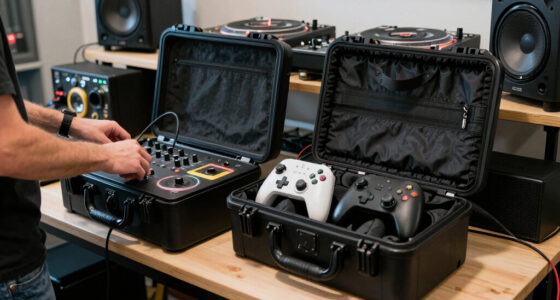
Recent advancements make securing cables faster and more reliable. Modular flight cases now integrate built-in cable management systems, like racks or specialized compartments. Custom foam inserts conform perfectly to each cable’s shape, providing superior protection. Additionally, RFID tags or QR codes on cables and cases simplify inventory tracking, saving time during setup and teardown. For example, a case with color-coded straps and digital labels can be unpacked and organized in under five minutes.
Understanding why these innovations matter: they significantly reduce setup time and minimize human error, especially in complex or high-volume environments. The tradeoff is the initial investment cost; high-tech solutions may be pricier but can lead to long-term savings by reducing labor and damage. These advancements also facilitate better organization, easier maintenance, and inventory management, ensuring your gear remains in top condition and ready for every performance.
Key Facts You Need to Know About Securing Cables
Proper cable securing reduces the risk of disconnection, damage, and interference. It can extend cable lifespan by up to 30% and cut setup times by 20%, according to industry data. The choice of padding and securing methods depends on your transport conditions, cable type, and equipment sensitivity. Routine inspections and maintenance are vital—worn straps or damaged foam can undo all your careful work.
Deep understanding of these facts reveals that neglecting proper securing can lead to costly repairs, increased downtime, and compromised performance. For example, a single loose connection caused by poor routing can result in signal loss or equipment failure during a gig. The tradeoff involves investing time and resources upfront to implement robust securing methods, which ultimately pays off by ensuring reliability and longevity. Regular checks are essential to catch wear and tear early, preventing small issues from escalating into major problems.
Your Top Questions About Securing Cables Answered
- What materials are best for securing cables? Velcro straps, reusable ties, foam padding, and custom foam inserts work well. They’re durable, adjustable, and protect your gear.
- How can I prevent tangles during transport? Coiling carefully, labeling, and using cable reels or organizers keeps cables neat and ready to go.
- What mistakes should I avoid? Over-tightening straps, neglecting strain relief, and routing cables poorly can cause damage and delay setup.
- Are there specific products recommended? Yes, look for cable management clips, foam inserts, and modular cases with built-in organizers for best results.
- How do I maintain cable security during repeated trips? Regularly inspect securing devices, replace worn straps, and keep labels up to date to ensure ongoing reliability.
Understanding the why behind these answers helps you make informed decisions. For example, choosing the right securing material reduces the risk of accidental disconnection or damage. Proper routing and labeling prevent confusion and quicken setup times. Avoiding common mistakes ensures longevity of your cables and reduces downtime. Regular maintenance and inspection are key to ensuring your securing methods remain effective over multiple gigs, saving you time and money in the long run.
Frequently Asked Questions
What is the best material for securing cables in flight cases?
Velcro straps and reusable cable ties are top choices. They’re easy to adjust, reusable, and gentle on cables, making them ideal for frequent use.How do I prevent cables from tangling during transport?
Coil cables carefully into loops, label each bundle, and store them with cable reels or organizers. This keeps everything neat and speeds up setup.What common mistakes should I avoid?
Over-tightening straps, neglecting strain relief, and routing cables haphazardly. These can cause damage and slow down your setup process.Are there products that simplify securing cables?
Yes. Look for cable management clips, foam inserts, and cases with built-in compartments designed for organized cable storage.How often should I check my cable securing methods?
Inspect securing devices and padding after each gig. Replace worn or damaged materials immediately to keep your setup safe and reliable.Conclusion
Mastering cable security in flight cases isn’t just about neatness—it’s about preserving your gear’s integrity and speed. Think of your cables like delicate vines; gently guiding and anchoring them prevents breakage and tangles. A little investment in good securing methods now pays off in smoother gigs and longer gear life. Keep your cables tight, your case organized, and your setup effortless—your future self will thank you.Fall Picks
fall essentials
As an affiliate, we earn on qualifying purchases.