
TL;DR
Listen free for 30 days with Audible
Thousands of audiobooks and originals — cancel anytime.
Start your free trialAs an affiliate, we earn on qualifying purchases.
Hard cases offer maximum impact protection but are heavier and pricier. Soft bags are lighter, more flexible, and budget-friendly but provide less impact resistance. Your choice depends on how often and how far you travel, and how much protection your gear needs.
Hard cases provide maximum impact protection, ideal for frequent flyers and rough handling scenarios.
Soft bags are lighter and more flexible, perfect for local gigs and quick setups, but offer less impact resistance.
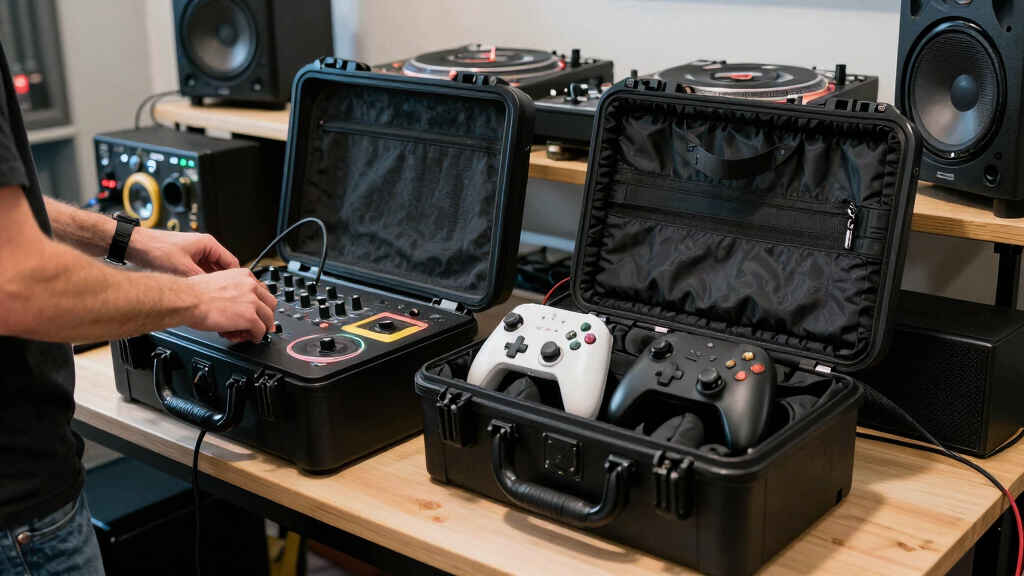
Custom-fit hard cases protect specific controllers perfectly, while soft bags offer versatile storage with adjustable compartments.
Budget influences choice: hard cases start around $100, soft bags from $30, but consider long-term protection needs.
Recent innovations like hybrid designs and modular foam make both options more adaptable and secure.
Hard Case vs. Soft Bag for DJ Controllers
When it is showtime, your controller needs to arrive intact. Hard cases deliver maximum impact and crush protection; soft bags prioritize low weight, flexible storage, and quick access. The right answer depends on how far, how often, and how roughly your gear travels.
Protection or portability?
A rigid shell resists drops, punctures, and crushing. A padded fabric body saves weight and adapts to crowded booths, public transport, and short-distance load-ins.
Hard Case
Molded plastic, aluminum, and high-impact polymers create a structural shell around the controller. A snug foam interior limits movement when baggage is dropped, stacked, or pushed across rough surfaces.
Soft Bag
Padded nylon, polyester, or canvas cushions everyday bumps while keeping the load manageable. Adjustable dividers and accessory pockets make one bag useful across multiple setups.
What changes in the real world
The biggest differences appear when luggage is stacked, equipment must be carried on foot, or a controller needs to share space with cables and headphones.
| Decision factor | Hard case | Soft bag | Practical winner |
|---|---|---|---|
| Impact protection | ✓Rigid shell absorbs major shocks | ~Padding handles ordinary bumps | Hard case |
| Crush resistance | ✓Resists stacking and pressure | ×Fabric body can compress | Hard case |
| Low carry weight | ×Often 10–15 lb before gear | ✓Often below 5 lb | Soft bag |
| Controller fit | ✓Model-specific foam fit | ~Adjustable but less rigid | Hard case |
| Accessory storage | ~Usually limited compartments | ✓Multiple external pockets | Soft bag |
| Security | ✓Lockable latches and seals | ~Some lockable zippers | Hard case |
| Budget | ×Typically $100–$300+ | ✓Often $30–$80 | Soft bag |
Distance changes the equation
Impact damage can be cumulative. Repeated jolts may weaken internal connections even when the controller looks fine after each trip.
Relative drop tolerance
Selected rugged hard cases are reported to withstand drops of up to 10 feet. Soft bags cushion shocks but do not provide the same rigid barrier.
Match protection to exposure
The less control you have over handling, the more valuable a rigid shell becomes. Airline baggage systems sit at the far end of the risk spectrum.
Choose for the journey you actually make
Start with transport conditions, then consider controller value and carrying distance. Those three answers usually make the decision clear.
Count flights, long drives, stairs, crowded venues, and moments when somebody else handles the gear.
Premium or mission-critical equipment justifies more structural protection and a precise foam fit.
Include case weight, controller weight, walking distance, accessory storage, and replacement risk.
Protection cannot be negotiated
You fly frequently, tour between cities, transport expensive equipment, stack gear in a van, or expect rain and rough handling.
Mobility drives the setup
You play local gigs, carry gear on foot, need accessory pockets, change controller models often, or control every stage of transport.
Innovations narrow the gap
New materials and modular interiors make both formats more adaptable. The best option may now combine properties once limited to one side.
Lightweight shells
Polycarbonate and high-impact plastics reduce hard-case weight while retaining structural protection.
Best for frequent travelersHybrid designs
Rigid panels paired with padded fabric offer a middle ground between impact resistance and carry comfort.
Best for mixed travelModular interiors
Customizable foam and adjustable dividers stabilize different controllers as a setup changes over time.
Best for evolving rigsSmarter security
TSA-compatible locks, lockable zippers, and tracking tags improve security during shared transport.
Best for transit hubsReinforced fabrics
Tougher nylon, stronger stitching, and reinforced handles improve durability without creating a rigid shell.
Best for mobile DJsWeather barriers
Sealed hard cases and water-resistant soft-bag coatings reduce exposure to spills, rain, and damp load-ins.
Best for outdoor workThe simplest rule: choose a hard case when the controller may leave your hands; choose a soft bag when you retain control and carrying comfort matters most.
Why Hard Cases Keep Your Gear Safer — Even When You Drop It
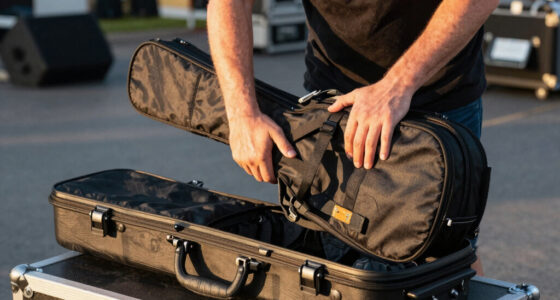
Hard cases are crafted from tough materials like molded plastic, aluminum, or high-impact polymers. They form a shell that absorbs impacts and resists crushing. For example, a well-made SKB iSeries case can handle drops from 10 feet without cracking. This makes them ideal for frequent travel, especially by plane, where baggage handling is rough. Think about a gig in a city with bumpy taxi rides, or a cross-country flight — a hard case shields your controller from sudden shocks that soft bags can’t always handle.
Imagine your controller bouncing off the baggage carousel’s conveyor belt — a hard case’s rigid shell keeps it safe. Soft bags, with their padded fabrics, cushion impacts but don’t resist crushing or punctures as well. For high-value gear, that extra layer of impact resistance can be the difference between a happy gig and costly repairs.
Deeply, this matters because impact damage isn’t always immediate; it can weaken internal components over time, leading to failures that are costly and inconvenient. The tradeoff is that hard cases are bulkier and more expensive, which may influence your decision based on your travel frequency and budget. The choice reflects a balance: if you prioritize maximum protection for sensitive or expensive gear, the investment in a hard case is justified. Conversely, if you rarely fly or transport your gear carefully, soft bags might suffice but come with increased risk during mishandling.
As an affiliate, we earn on qualifying purchases.
Portability and Convenience: Heavy vs. Light
Hard cases tend to be heavier, often weighing 10-15 pounds empty. They usually come with wheels and handles, making transit easier despite their bulk. For example, a Gator Cases G-TOUR series offers rugged protection with built-in wheels, but expect to carry a 12-pound case plus your gear.
On the flip side, soft bags are lightweight—sometimes under 5 pounds—and highly flexible. They fold slightly for storage, and many have shoulder straps or backpack straps. This makes quick trips or short gigs more manageable. If you’re hauling gear on foot or through crowded venues, a soft bag might be your best friend.
Understanding the tradeoffs here is crucial: while soft bags are easier to carry, they often provide less structural support, meaning your gear might shift during transport, especially if not packed carefully. This shifting can lead to internal impacts and potential damage. Therefore, if you frequently move your gear over longer distances or rough terrain, investing in a soft bag with reinforced handles and compartments can mitigate these risks. The key is balancing ease of transport with the level of protection needed for your specific use case.
As an affiliate, we earn on qualifying purchases.
Fit and Customization: How Well Do They Really Protect?
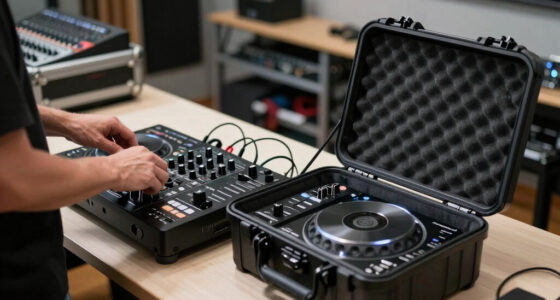
Hard cases are usually molded precisely for specific models. For example, a Pioneer DDJ-1000 hard case fits like a glove, with foam padding that cradles your controller. This snug fit prevents shifting during transport, reducing impact damage.
Soft bags often have adjustable compartments, foam inserts, or extra padding that can be customized. This flexibility is great if you own multiple controllers or upgrade gear often. However, a soft bag’s less rigid structure means your controller might shift more if not packed carefully. For instance, a UDG Ultimate Soft Bag can fit a range of controllers, but you’ll want to add foam or padding for extra security.
Deeply, the difference in fit impacts protection because a tight, molded fit minimizes movement that can cause internal damage during jolts or drops. Customization in soft bags offers versatility but requires careful packing to ensure that the gear remains stable. If you frequently switch equipment or own multiple models, a soft bag with modular padding can be cost-effective, but it demands diligence in packing to maintain safety.
As an affiliate, we earn on qualifying purchases.
Cost Considerations: How Much Should You Budget?
Hard cases tend to be pricier, often starting around $100 and climbing to $300 or more for heavy-duty, flight-ready models. For example, an Odyssey FZGSPIDJ case costs around $150 but offers excellent impact resistance and security features like locks.
Soft bags are more budget-friendly, with prices often between $30-$80. A Pelican Air Case can run upwards of $200 but provides the ultimate impact protection. For casual DJs or those just starting out, a soft bag offers a lot of protection without breaking the bank.
Deeply, investing in a more expensive hard case can be justified if your gear is expensive or if you frequently travel by air, where damage risks are higher. Cheaper soft bags might save money upfront but could lead to costly repairs or replacements if your gear is damaged. The tradeoff involves evaluating the value of your equipment, your travel frequency, and how much risk you’re willing to accept, as cheap protection might not be sufficient for high-stakes gigs.
impact-resistant DJ controller case
As an affiliate, we earn on qualifying purchases.
As an affiliate, we earn on qualifying purchases.
Extra Features That Matter
Hard cases often include lockable latches and TSA-approved locks, making them a favorite for airline travel. They also typically provide a watertight seal, protecting against rain or spills.
Soft bags usually have multiple external pockets for accessories like cables, headphones, or flash drives. Some include lockable zippers or RFID-blocking pockets for added security. Think about what you carry most — if you need quick access, a soft bag’s extra compartments can be a lifesaver.
Deeply, these extra features influence security and convenience. Lockable features in hard cases prevent theft and unauthorized access, especially during transit. Waterproof seals extend the lifespan of your gear by preventing moisture damage. In soft bags, external pockets facilitate organization and quick retrieval, which can be critical during live setups. However, added security features like RFID-blocking or locks should be matched with your actual needs; unnecessary features can add cost without real benefit, so assess your typical travel and storage scenarios carefully.
Recent Innovations That Change the Game
New lightweight materials like reinforced nylon and polycarbonate have made hard cases easier to carry without sacrificing protection. Hybrid cases now combine rigid shells with soft padding, offering a balance of durability and flexibility.
Modular foam inserts are becoming standard, letting you customize your interior for your gear’s shape. Some brands also add smart features like built-in locks, RFID tags, or even GPS trackers for security on the go.
Deeply, these innovations significantly impact how DJs choose their transport. Lighter materials reduce fatigue during setup and breakdown, enabling quicker transitions. Hybrid cases provide a tailored balance—rigid enough to withstand impacts, yet flexible enough to carry additional gear or accessories. Modular foam allows for precise customization, reducing internal movement that could damage sensitive components. Smart features like GPS trackers and RFID tags enhance security, especially during multi-stop tours or when traveling through crowded airports. These advancements collectively reduce risk, improve convenience, and adapt to the evolving needs of mobile DJs, making the choice more nuanced and personalized.
Making the Right Choice for Your Needs
Think about how often and how far you travel. For frequent air travel or rough handling, a hard case is your best bet. If your gigs are local, and you want easy carrying, a soft bag might be enough.
Assess the value of your gear and your comfort with risk. Expensive controllers deserve the best protection. Budget-conscious DJs can get by with padded soft bags if handled with care.
Deeply, your decision should consider not just the immediate protection but the long-term implications. For example, a hard case may cost more upfront but could save hundreds in repairs over time if it prevents internal damage. Conversely, soft bags are more adaptable and easier to carry but require diligent packing and cautious handling to avoid damage. The tradeoff lies in balancing initial investment against potential repair costs, with the understanding that the right choice can extend the lifespan of your gear and reduce stress during travel.
How to Choose Between Hard Case and Soft Bag in 3 Steps
- Evaluate your travel frequency and handling environment — more travel means better protection.
- Determine what’s most important: impact resistance, weight, or quick access.
- Set your budget and compare options, weighing features like locks, compartments, and materials.
Frequently Asked Questions
Is a hard case really necessary for airline travel?
For airline trips, a hard case is strongly recommended since it withstands impacts and rough baggage handling better than soft bags. It reduces the risk of damage during loading, unloading, and transit.Can I use a soft bag for my expensive DJ controller?
Yes, if the soft bag has high-quality padding, reinforced corners, and customizable foam inserts. However, for high-value gear, a hard case offers superior impact resistance and security.Are soft bags more prone to damage?
Soft bags are more vulnerable to crushing or punctures but can be just as protective if padded properly and handled with care. They excel in convenience and quick access but require careful packing.How much should I expect to spend on a good DJ controller case or bag?
Hard cases typically start around $100 and can go up to $300 or more. Soft bags are usually between $30-$80, making them more budget-friendly for casual use.What brands are reliable for DJ controller transport gear?
Popular brands include Odyssey, Gator Cases, SKB, and UDG for hard cases. For soft bags, consider Lowepro, Pelican, and Mono, which offer durable and customizable options.Conclusion
Choosing between a hard case and a soft bag boils down to your travel habits, gear value, and protection needs. Think about your gigs, how you handle your gear, and your budget. The right transport makes all the difference—protect your investment, and your gear will serve you longer and better. Remember, good gear deserves good protection. Your controller’s safe journey is just one smart pick away.NFL season / tailgating Picks
team gear
As an affiliate, we earn on qualifying purchases.