
TL;DR
Open a free Amazon Business account
Business pricing, bulk buying and tax-exempt orders.
Create a free accountAs an affiliate, we earn on qualifying purchases.
Careful packing and unpacking prevent damage to your DJ gear. Use dedicated cases, organize cables, and handle equipment with care to keep everything safe during transport and setup.
Imagine arriving at a gig, ready to spin, but your controller’s screen is cracked or your speakers won’t turn on. Damage during packing or transit is one of the biggest risks for mobile DJs. The good news? You can drastically cut that risk with simple, deliberate packing and unpacking routines. This guide walks you through concrete steps to protect your gear, from the moment you load your vehicle to the second you set up at the venue.
Whether you’re just starting or a seasoned pro, mastering these habits can save you money, time, and stress. Think of it as giving your gear a protective armor that travels with you. Ready to keep everything in one piece? Let’s dive into how to pack and unpack your DJ equipment like a pro.
Use dedicated, well-padded cases for all gear to prevent damage during transit.
Organize cables with labels or pouches to save setup time and avoid tangles.
Secure gear tightly inside cases with straps or foam inserts to prevent movement.
Always inspect gear immediately after unpacking for damage and clean it regularly.
Stay updated on new protective gear features like smart sensors and lightweight materials.
Why Proper Packing Keeps Your Gear Safe and Ready to Rock
Proper packing isn’t just about avoiding scratches. It’s about preventing costly repairs, ensuring quick setup, and extending your equipment’s lifespan. When you pack with care, you minimize the risk of cracked screens, broken knobs, or loose connections. For example, a DJ who packs a Pioneer DDJ-1000 controller in a padded flight case with foam inserts drastically reduces the chance of damage during rough handling or sudden stops.
Research from Disco Flight shows that 60% of gear damage occurs during transit. That’s a clear call to invest in quality cases and packing routines. Think of your gear like a fragile sculpture—careful handling and proper protection turn a bumpy ride into a smooth journey.
Beyond just physical damage, proper packing also helps protect sensitive electronics from environmental factors like humidity, temperature fluctuations, and dust, which can degrade performance over time. The implications are clear: investing time and resources into good packing routines is a safeguard against costly repairs, downtime, and even the risk of losing gigs due to equipment failure. The tradeoff, of course, is the initial effort and expense, but it pays off in reliability and peace of mind.
As an affiliate, we earn on qualifying purchases.
Top 5 Gear Packing Tips Every DJ Should Follow
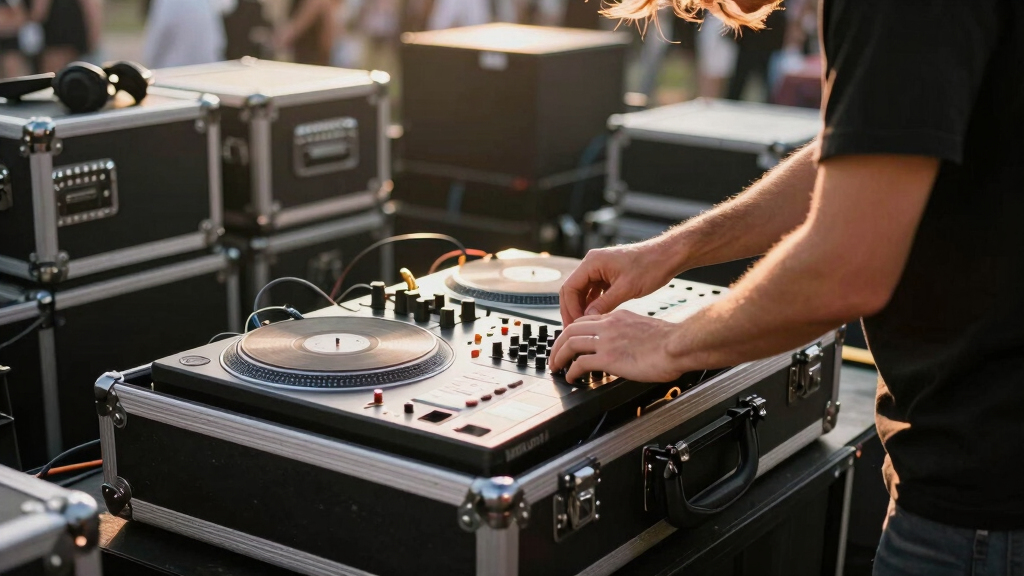
- Use dedicated, high-quality cases: Invest in flight cases or padded gig bags designed for your specific equipment. For example, a custom-fit case for a Pioneer DJM mixer keeps knobs and faders safe. Choosing the right case isn’t just about protection; it’s about ensuring your gear is snug and stable during transit, which reduces the risk of internal movement that can cause damage. The tradeoff is often higher upfront costs, but this investment significantly lowers repair bills and downtime.
- Layer with foam or padding: Wrap delicate gear with foam inserts or bubble wrap. For instance, wrapping your controllers with foam padding prevents scratches and shocks. Proper padding acts as a shock absorber, dispersing impact forces that could otherwise crack screens or dislodge internal components. The implication is that even small impacts, if unmitigated, can cause cumulative damage leading to failure over time. The tradeoff involves extra packing time and materials, but it greatly enhances durability.
- Organize cables and accessories: Use labeled pouches or cable organizers to prevent tangling and loss. A simple zip-lock bag for each set of cables speeds up setup and teardown. Organized cables not only save time but also reduce the risk of damage from yanking or twisting during transport. Additionally, clearly labeled pouches help you quickly identify what you need, minimizing setup errors that can lead to equipment stress or damage. The tradeoff is spending a few extra minutes during packing, but the payoff is faster, safer setup.
- Pack heavier items at the bottom: When stacking gear in a case, place the heaviest equipment—like speakers or subwoofers—on the bottom to prevent crushing lighter items. This practice maintains the structural integrity of your case and prevents internal shifting that can cause damage. It also helps in distributing weight evenly, making transportation easier and safer. The tradeoff is a bit more planning during packing, but it ensures your gear remains intact during bumpy rides.
- Secure everything tightly: Use straps or tie-downs inside your cases. During a bumpy ride, loose gear can bounce and break. A DJ who secures their gear reports fewer repairs and faster setup times. Proper securing minimizes internal movement, which is a common cause of damage during transit. The implication is that the effort to secure gear is minimal compared to the potential cost of repairs or replacements. The tradeoff is a slight increase in packing time but a significant decrease in damage risk.
As an affiliate, we earn on qualifying purchases.
How to Pack Your Gear in 4 Easy Steps
- Prepare your gear: Clean each piece to remove dust and sweat, inspect for damage, and organize accessories. This initial step helps identify potential issues before packing, reducing the risk of exacerbating existing damage during transit. For example, cleaning a controller removes debris that could interfere with buttons or faders, prolonging its lifespan. The implication is that neglecting this step can lead to hidden damages worsening over time, or equipment failing unexpectedly during a gig.
- Choose the right case or bag: Match your equipment’s size and fragility with a padded case or custom foam insert. Properly fitted cases prevent unnecessary movement and protect against shocks. The right choice balances protection with portability, reducing fatigue and the chance of dropping gear during handling. The tradeoff involves selecting a case that might be more expensive or heavier but offers superior protection, ultimately saving money and stress in the long run.
- Layer and secure: Place heavier items first, add padding around fragile parts, and secure everything with straps or velcro. This systematic approach ensures stability, minimizes internal shifting, and prevents damage from sudden stops or jolts. Proper securing also facilitates quick unpacking, as everything remains organized. The implication is that careful layering and securing are fundamental to maintaining gear integrity, with the tradeoff being a slightly longer packing process that yields greater peace of mind.
- Final check: Confirm all gear is snug, cables are wrapped, and the case is properly latched or zipped. This last step acts as a safety net, catching any overlooked issues before transport. A thorough check reduces the chance of surprises upon arrival, such as loose components or damaged equipment. The tradeoff is a few extra minutes but a significantly lower risk of damage or delay during setup.
For example, before leaving for a gig, you might spend 10 minutes wrapping your controller in foam, placing it in a dedicated case, and securing cables in labeled pouches. This prep saves time and headaches at the venue.
cable organizer pouch for DJ equipment
As an affiliate, we earn on qualifying purchases.
As an affiliate, we earn on qualifying purchases.
Unpacking at the Venue: Do’s and Don’ts to Avoid Damage
Start by choosing a clean, flat surface to unpack. Avoid jagged edges or uneven floors where gear could slip or fall. Carefully open your cases, removing packing materials gently—no yanking or pulling. This careful approach prevents accidental drops or internal shifts that could cause damage or misalignment of components.
Inspect each piece immediately for damage. If you notice a loose fader or a cracked screen, address it right away. Early detection allows for quick fixes, preventing small issues from escalating into major malfunctions that could ruin your performance or require costly repairs. For instance, tightening a loose fader before setup avoids interruption during your set and extends the lifespan of your equipment.
Set up your gear systematically—start with the large speakers, then connect your controller, and finally, check connections. Keeping your workspace organized prevents accidental bumps or knocks, which are common causes of damage during setup. A methodical approach reduces stress and ensures each component functions properly from the start, avoiding troubleshooting delays during the gig.
As an affiliate, we earn on qualifying purchases.
Post-Gig Gear Care: Keep Your Equipment in Prime Condition
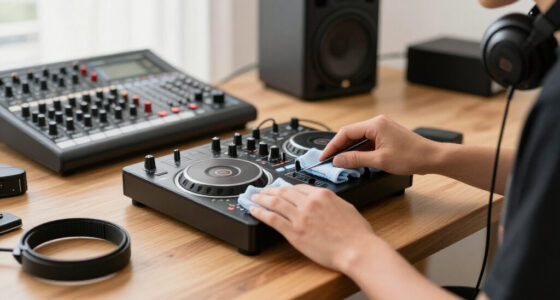
After every gig, give your gear a quick but thorough inspection. Wipe down controllers, speakers, and laptops with a soft cloth to remove dust and sweat. Check for loose screws or connectors that might have shifted during transit. This routine helps catch minor issues before they develop into serious problems, saving money and downtime.
Store everything in a climate-controlled space. Extreme heat or humidity can damage electronics over time, leading to corrosion, warping, or degraded performance. For example, a DJ who regularly cleans and stores gear properly reports fewer breakdowns and longer equipment life. Proper storage conditions help maintain the integrity of electronic components and prolong the useful life of your investment.
If you notice minor damage, address it immediately or take it to a professional. Small issues left unchecked can turn into costly repairs down the line, and early intervention often prevents further deterioration, ensuring your gear remains reliable for future gigs.
Latest Gear Protection Trends That Make Your Life Easier
New materials like lightweight carbon fiber composites make cases tougher and easier to carry. Smart cases with built-in sensors monitor shock, temperature, and humidity, alerting you if conditions threaten your gear. These innovations help you proactively protect your equipment, reducing the risk of damage due to environmental factors or mishandling.
Wireless solutions and cable management tools reduce clutter and wear on cables. For instance, using wireless transmitters for monitors minimizes trip hazards and cable damage, saving time and money. These advancements not only simplify setup but also extend the lifespan of your cables and connectors.
Eco-friendly packing materials are gaining popularity, reducing your carbon footprint. Recyclable foams and biodegradable wraps protect your gear and the planet. By choosing sustainable options, you contribute to environmental preservation while maintaining high standards of protection for your equipment.
Frequently Asked Questions
How can I protect my gear during air travel?
Use airline-approved flight cases designed for fragile equipment. Remove batteries to prevent hazards and consider insuring valuable gear. Packing in a sturdy, padded case with foam inserts offers the best protection against rough handling.
What materials are best for packing fragile DJ gear?
Shock-absorbent foam, padded flight cases, and durable plastics are ideal. Wrap sensitive components like controllers and mixers with foam or bubble wrap before placing them in their dedicated compartments.
How do I organize cables and accessories efficiently?
Use labeled pouches, zip ties, or dedicated cable organizers. Rolling or looping cables neatly prevents tangling and makes setup faster. Color-coded pouches help identify gear quickly at the venue.
Any tips for unpacking safely at the venue?
Choose a flat, clean surface. Carefully open cases, avoiding sudden pulls. Check for damage immediately, and set up equipment systematically to prevent accidental bumps or drops during setup.
How often should I inspect and maintain my gear?
Inspect gear after every gig, looking for loose parts, damage, or wear. Regular cleaning and maintenance extend your equipment’s lifespan and prevent unexpected failures during performances.
Conclusion
Protecting your DJ gear isn’t just about avoiding repair costs. It’s about ensuring every gig is smooth, stress-free, and ready to impress. Adopt careful packing routines, handle equipment with respect, and stay vigilant after every performance.
Imagine your gear arriving intact, setup taking minutes instead of hours, and your equipment lasting for years to come. That’s the power of good packing and unpacking habits. Your gear will thank you—and so will your wallet.
Fall Picks
fall essentials
As an affiliate, we earn on qualifying purchases.