
TL;DR
Open a free Amazon Business account
Business pricing, bulk buying and tax-exempt orders.
Create a free accountAs an affiliate, we earn on qualifying purchases.
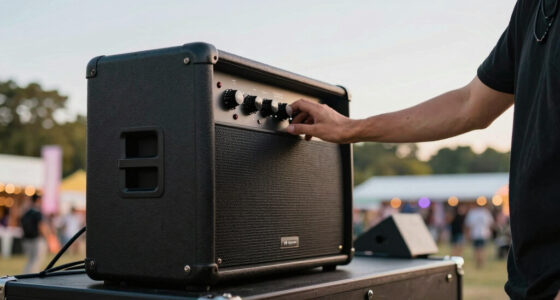
To get the best sound outdoors, choose a system with enough wattage, reliable batteries, and weather resistance. Proper placement and connectivity make or break your event’s audio quality. Keep these tips in mind for smooth, professional outdoor gigs.
Nothing kills an outdoor vibe faster than poor sound. You set up your gear, but wind, open space, and weather turn your carefully crafted sound into a garbled mess. If you want your voice to cut through the noise and reach everyone — no matter the weather — you need to optimize your portable PA system. This guide will walk you through the exact steps to boost volume, clarity, and durability, so your outdoor gigs are smooth, sound great, and impress every time.
From choosing the right wattage to protecting your gear from rain, these tips are based on real-world experience with outdoor events. Whether you’re running a small backyard wedding or a festival, getting your PA right makes all the difference. Ready to turn your portable system into an outdoor sound powerhouse? Let’s dive in.
Choose a system with at least 100 watts and a reliable battery to cover outdoor spaces clearly.
Elevate speakers on sturdy stands, spaced appropriately, to ensure even sound distribution.
Weatherproof your gear with covers or weather-resistant models to prevent rain damage.
Opt for lightweight, portable systems with quick setup features to save time and effort.
Test all connections and practice setup outdoors beforehand to avoid surprises during the event.
Pick the Perfect Power and Battery Life for Outdoor Clarity
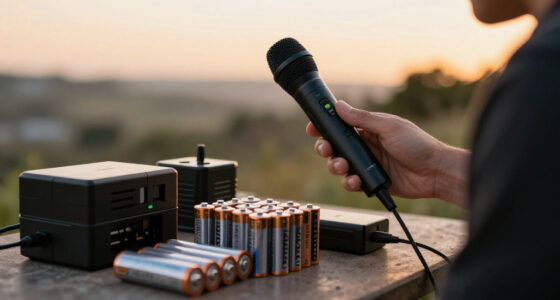
Outdoor spaces demand more wattage than indoor setups. A PA with at least 100 watts ensures your voice and music fill the area without distortion. Larger venues or outdoor festivals might need 200-500 watts or more. Battery power is equally critical — a system like the Disco Flight DF-12 with a 12V rechargeable battery offers 8 hours of playback, enough for most outdoor gigs.
Example: At a summer wedding in a park, a 150-watt portable PA with a 10-hour battery lasted through speeches, music, and dancing without a hitch. Always check the battery’s capacity and runtime—don’t get caught with a dead system mid-event.
Why this matters: Choosing the right wattage and battery capacity directly impacts your ability to deliver consistent, clear sound over the entire event duration. Underpowered systems will struggle to fill large or open areas, leading to uneven sound and listener fatigue. Conversely, overpowered systems can produce distortion at high volumes, especially if the speakers aren’t rated for such power. Balancing wattage with your event size and selecting batteries that match your runtime needs ensures your sound remains reliable and clear, avoiding the frustration of mid-event failures or compromised audio quality.
outdoor portable PA system 100 watts
As an affiliate, we earn on qualifying purchases.
As an affiliate, we earn on qualifying purchases.
Choose Speakers and Placement to Maximize Outdoor Coverage
Sound disperses quickly outside — you need the right speaker size and placement. Use a 15-inch speaker for decent bass and volume. Position speakers on sturdy stands or elevated surfaces to prevent sound from getting lost in the wind or ground clutter.
Pro tip: Place speakers at least 10-15 feet apart and slightly behind the microphone. This prevents feedback and creates even coverage. For larger areas, add a second speaker or a line array for broader sound spread.
Real-world scenario: During a street fair, placing two 12-inch speakers on stands, 8 feet high and 12 feet apart, created even sound coverage across a 200-foot-long outdoor market.
Why this matters: Proper speaker size and strategic placement are crucial because they influence how effectively sound travels across open spaces. Larger speakers with bigger drivers produce deeper bass and higher volume, which is essential outdoors where sound can dissipate rapidly. Elevating speakers on stands minimizes sound obstruction and helps achieve consistent coverage, even in windy conditions. Spacing speakers appropriately prevents overlapping sound waves that can cause phase cancellation or feedback. These choices directly affect how well your audience hears you, especially in large or complex outdoor environments, making your sound more uniform and intelligible.
As an affiliate, we earn on qualifying purchases.
Optimize Sound Quality and Avoid Feedback Outdoors
Good sound quality outdoors hinges on clear frequency response and feedback control. Use a system with built-in feedback suppression or a dedicated feedback eliminator. Position microphones away from speakers, and avoid pointing them directly at the speakers — wind and open space can make feedback tricky.
Example: At a community event, using a wireless mic with a feedback-reduction feature saved hours of frustration. Also, adjusting EQ presets on your system can tame harsh frequencies and improve clarity.
Pro tip: Do a quick sound check before the event, walking around with a microphone to spot feedback points at different locations.
Why this matters: Feedback is a common challenge outdoors because open spaces and wind can cause sound waves to bounce unpredictably. Using systems with feedback suppression features helps mitigate this, but understanding how to position mics and speakers is equally vital. Proper placement reduces the chance of sound waves re-entering microphones, which causes squealing or howling. Additionally, fine-tuning EQ settings ensures your sound remains clear and natural, rather than harsh or muddy. Conducting thorough sound checks in the actual venue helps identify potential feedback hotspots, allowing you to make adjustments that preserve sound quality throughout the event.
battery-powered PA system for outdoor events
As an affiliate, we earn on qualifying purchases.
As an affiliate, we earn on qualifying purchases.
Make Your System Portable and Easy to Set Up
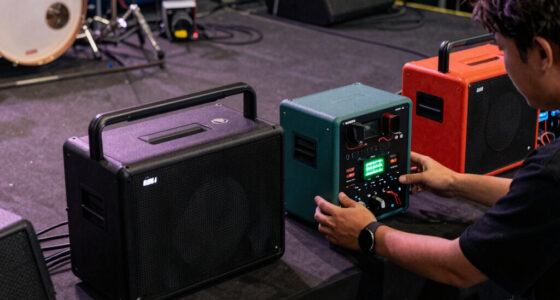
Portability can make or break outdoor gigs. Look for lightweight, compact systems that fit into a carry case or have wheels. For example, the Disco Flight DF-8 weighs under 20 pounds, fits in a small car trunk, and sets up in minutes.
Practice your setup to reduce chaos on event day. Use systems with integrated handles and quick-connect features. Remember, the easier it is to carry and assemble, the more you can focus on the event, not the gear.
Scenario: At a street festival, a DJ carried his PA on one shoulder, set it up in 5 minutes, and was ready to soundcheck before the crowd arrived.
Why this matters: The ease of portability and quick setup directly impacts your efficiency during outdoor events. Heavy or complicated systems require more time and effort, which can lead to delays or stress. Lightweight, well-designed gear with features like wheels, handles, and quick-connects allows you to move swiftly from transport to deployment. This not only saves time but also minimizes physical strain, enabling you to focus on delivering a great performance. Efficient setup and teardown are especially critical when managing multiple outdoor gigs or tight schedules, ensuring your sound system is ready when you are.
lightweight portable PA with stands
As an affiliate, we earn on qualifying purchases.
As an affiliate, we earn on qualifying purchases.
Protect Your Gear from Weather and Environmental Hazards
Weather resistance is non-negotiable for outdoor sound gear. Use weatherproof or weather-resistant models like the Disco Flight DF-15 with sealed electronics and rugged cabinets. When rain or dust threaten, cover your gear with waterproof tarps or specialized covers.
Real-world tip: During a late-summer outdoor concert, a sudden rainstorm soaked the equipment, but using waterproof covers kept everything dry and operational.
Note: Always test your gear in conditions similar to the event day — a quick spray test can reveal vulnerabilities.
Why this matters: Exposure to rain, dust, and humidity can damage sensitive electronic components, causing failures or degraded performance. Weatherproofing your gear with sealed enclosures and rugged construction minimizes these risks, ensuring your system remains functional regardless of the elements. Using covers or tarps adds an extra layer of protection during sudden weather changes, preventing water ingress and dust buildup. Testing your gear in conditions that mimic the event environment helps identify potential weaknesses, allowing you to address them beforehand. Proper weather resilience extends your gear’s lifespan and guarantees reliable performance, which is essential for professional outdoor events.
Connect Your Devices Seamlessly for Flexibility
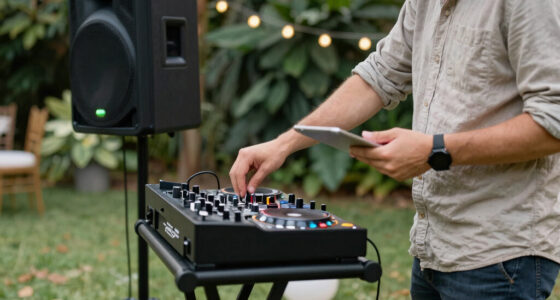
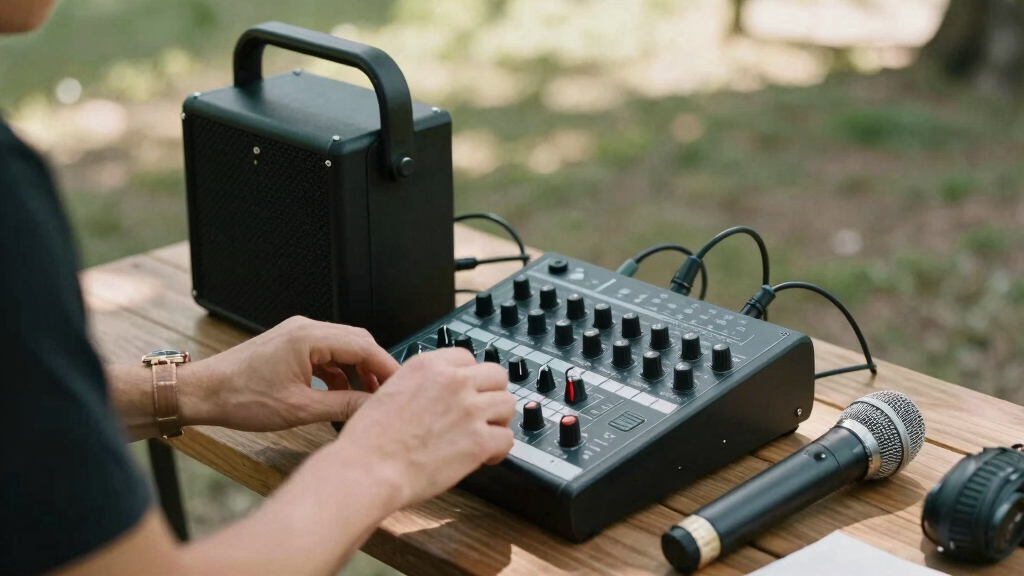
Versatile connectivity means you can plug in mics, instruments, or stream from your phone. Look for PA systems with multiple inputs, Bluetooth, or Wi-Fi. The Disco Flight DF-12 supports Bluetooth streaming, making it easy to play background music or announcements wirelessly.
Example: During a farmer’s market, connecting via Bluetooth from a smartphone allowed quick playlist changes without crawling under the table.
Pro tip: Keep cables organized and test all inputs before the event to avoid last-minute surprises.
Why this matters: A flexible connection setup allows you to adapt quickly to different event needs, whether it’s adding a microphone, playing background music, or streaming announcements. Multiple input options, including Bluetooth and Wi-Fi, eliminate the need for cumbersome cables, which can be tripped over or disconnected accidentally outdoors. Testing all connections beforehand ensures seamless operation, preventing delays or technical issues during the event. This adaptability enhances your professionalism and keeps your focus on delivering great sound, rather than troubleshooting connectivity problems.
Position and Use Speakers for Even Outdoor Sound
Speaker placement impacts coverage and feedback risk. Elevate speakers on stands or crates, facing the audience, not the wind. For a crowd of 300+, use multiple speakers in a line array or spaced apart to cover the area evenly.
Scenario: At a summer festival, placing two speakers on opposite sides of the stage, 15 feet high, created balanced sound that reached the entire field.
Tip: Walk around during setup, listening at different points, to ensure no dead zones or feedback hotspots.
Why this matters: Proper placement is essential because it directly influences how well your sound reaches the entire audience. Elevating speakers prevents ground reflections and minimizes feedback issues caused by sound waves bouncing off surfaces or wind. Spacing multiple speakers helps distribute sound evenly, avoiding dead zones where the audience might struggle to hear clearly. Walking the venue during setup allows you to identify and correct problem areas, ensuring consistent quality across the entire outdoor space. This strategic placement guarantees that all attendees experience clear, balanced audio, regardless of their position.
Keep Your System Portable and Ready to Roll
Modern PA systems are designed for one-person transport. Look for models under 20 pounds, with built-in handles and quick assembly. With practice, you can get your gear set up in under 10 minutes, leaving you more time for the actual event.
Example: A mobile DJ used a compact, lightweight PA with wheels, carried it in one trip, and set up faster than a coffee break.
Why this matters: The ease of portability and quick setup directly impacts your efficiency during outdoor events. Heavy or complicated systems require more time and effort, which can lead to delays or stress. Lightweight, well-designed gear with features like wheels, handles, and quick-connects allows you to move swiftly from transport to deployment. This not only saves time but also minimizes physical strain, enabling you to focus on delivering a great performance. Efficient setup and teardown are especially critical when managing multiple outdoor gigs or tight schedules, ensuring your sound system is ready when you are.
Maintain and Test Your Gear to Keep It Ready
Regular maintenance prevents outdoor gig disasters. Charge batteries fully, check cables, and clean dust or debris from ports. Test your system in similar conditions — like a backyard test before a park event.
Real-world tip: A DJ tested his system in a garage with a spray bottle, simulating rain, and found a connector that needed sealing.
Keep a checklist for every setup to catch issues early and avoid surprises on the day.
Why this matters: Routine checks and testing ensure your gear operates reliably when it matters most. Batteries drained from previous use or dirty connections can cause unexpected failures during critical moments. Simulating outdoor conditions, such as spraying water or testing in windy environments, helps identify vulnerabilities that might not be apparent indoors. Developing a pre-event checklist promotes consistency and reduces the chance of overlooking essential maintenance steps. Regular upkeep extends your equipment’s lifespan and guarantees dependable performance, making your outdoor gigs smoother and more professional.
Frequently Asked Questions
How do I extend battery life for long outdoor events?
Use systems with larger batteries, turn down unnecessary volume, and avoid excessive EQ adjustments. Carry a portable power bank or backup battery if possible. Running the system at moderate volume conserves energy and prolongs your session.
What’s the best way to prevent feedback outside?
Position microphones behind speakers and away from reflective surfaces. Use systems with feedback suppression features. Conduct a sound check walking around the venue to identify and eliminate feedback hotspots before the event starts.
Can I connect my smartphone easily to a portable PA?
Yes, most modern portable PAs include Bluetooth or auxiliary inputs. Simply pair your device or plug in via a 3.5mm or USB connection. Test the connection beforehand to ensure smooth streaming during your gig.
Are wireless microphones reliable outdoors?
Wireless mics work well outdoors if you choose units with good range and interference resistance. Keep the receiver close to the mic, and avoid crowded RF environments. Use high-quality, frequency-synchronized mics for best results.
What’s the single most important factor for outdoor sound clarity?
Proper speaker placement paired with adequate wattage. Elevate and spread speakers to avoid sound loss and feedback, ensuring the entire area is filled with clear, even audio.
Conclusion
Getting your portable PA dialed in for outdoor events isn’t magic — it’s about knowing what to prioritize. Power, placement, weather protection, and portability all play a role. When you combine these elements, you’re not just setting up sound — you’re creating an experience that resonates, no matter the weather or size of the crowd.
Next time you pack your gear for an outdoor gig, remember: a little prep and the right choices make all the difference. It’s not just about loud — it’s about clear, reliable sound that keeps your audience engaged and impressed.
NFL season / tailgating Picks
team gear
As an affiliate, we earn on qualifying purchases.