
TL;DR

Get audio and creator gear delivered free — and shop member deals
- Fast, free delivery on millions of items
- Access to Prime Big Deal Days deals on October 6–7
- Prime Video, Amazon Music and more included
Storing gear correctly between gigs keeps it safe from moisture, impacts, and environmental damage. Use climate control, proper cases, and regular inspections to protect your investment.
Imagine pulling your gear out for the next gig, only to find it covered in dust, tiny cracks on your wooden instruments, or a corroded connector. It’s a common nightmare for mobile DJs. Good storage isn’t just about keeping things tidy; it’s about preventing costly repairs and replacements.
In this guide, you’ll learn how to keep your gear in top shape during downtime. From controlling temperature and humidity to choosing the right cases and handling cables — every tip is aimed at protecting your equipment from the daily hazards of storage. Stick around, because a little prep now saves big bucks later.
Always clean and inspect gear immediately after each gig to catch early signs of damage.
Maintain a stable environment—temperature and humidity are your gear’s best friends.
Use the right case for each item; impact protection prevents costly repairs.
Handle cables carefully, coil properly, and store separately to avoid internal wire breakage.
Regularly check batteries and disconnect them if equipment will sit unused for long periods.
Store it right. Play it without surprises.
Best practices for storing gear between gigs prevent moisture damage, impact failures, corroded connectors, cracked wood, and dead batteries. A disciplined post-show routine protects the investment—and keeps every case ready for the next load-in.
The post-gig reset
Sweat contains salts that can corrode hardware, strings, connectors, and electronic contacts. Remove contamination now, document faults, and never let damaged gear quietly return to the gig pile.
Wipe down safely
Use a suitable dry or slightly damp microfiber cloth. Never spray cleaner directly onto electronics, screens, pickups, faders, or control panels.
Find faults early
Check for loose connectors, bent pins, cracked housings, unusual smells, scratches, cable cuts, kinks, and intermittent controls.
Air out soft goods
Let damp cases, straps, windscreens, covers, and fabric accessories dry completely before closing or stacking them.
Disconnect strain
Remove unnecessary cables, fit protective caps where appropriate, and keep plugs from carrying weight while equipment is stored.
Tag every defect
Label questionable gear immediately and place it in a repair area so it cannot be loaded into the next show by mistake.
Cover exposed gear
Use clean covers for keyboards, mixers, amplifiers, and drums. Replace foam that crumbles or reacts with equipment finishes.
Keep the room calm and dry
Choose a stable, climate-controlled room instead of an attic, basement, garage, vehicle, or unconditioned unit. Measure conditions with a hygrometer—not your intuition.
Relative humidity spectrum
Manufacturer guidance takes priorityBelow range
Wood can shrink or crack, finishes may check, and dimensional changes can affect setup and playability.
Stable range
Consistent conditions reduce condensation, swelling, corrosion, adhesive stress, and unexpected setup changes.
Above range
Moisture encourages mold, corrosion, wood swelling, fabric odor, and adhesive failure.
Match protection to the journey
The right case balances impact resistance, weight, crush protection, internal fit, and handling. Equipment should not slide, rattle, or carry pressure on fragile controls.
| Storage option | Impact | Crush resistance | Weight | Best use | Watch for |
|---|---|---|---|---|---|
| Fitted flight case | ✓ Excellent | ✓ Excellent | ✗ Heavy | Touring, stacking, frequent transport | Worn foam, excess case weight |
| Hard molded case | ✓ Strong | ✓ Strong | ~ Moderate | Controllers, microphones, instruments | Internal movement, trapped moisture |
| Padded gig bag | ~ Moderate | ✗ Limited | ✓ Light | Short trips and light equipment | Stacking pressure, sharp impacts |
| Dust cover | ✗ Minimal | ✗ None | ✓ Very light | Stationary keyboards, mixers, amps | Offers no drop protection |
Coil cables without creating memory
Tight bends, knots, crushing, and repeated stress near connectors weaken conductors. The over-under method follows the cable’s natural lay and helps preserve reliable signal flow.
Inspect
Check jackets, pins, strain reliefs, and connectors.
Untwist
Lay the cable out and release existing knots or tension.
Over-under
Alternate the natural loop direction without forcing bends.
Secure
Use a reusable hook-and-loop tie, never a tight knot.
Separate
Organize signal, power, and speaker cables by type.
Position and support
Remove the hidden hazard
Disposable cells left in idle devices can leak into compartments and circuit boards. Rechargeable batteries require chemistry-specific care and periodic inspection.
From load-out to show-ready
Every protective action supports the next one. Break the chain, and a small storage issue can become noise, failure, repair expense, or a missed performance.
Clean and Inspect Gear Before Storage — Your First Line of Defense
The moment you finish a gig, your gear is vulnerable. Sweat, dust, and liquids can cause corrosion and damage if left unchecked. Clean gear thoroughly, inspecting for faults like loose connectors or scratches.
For example, wiping down your mixer with a microfiber cloth removes sweat salts that can corrode internal contacts. Check cables for cracks or kinks, and replace them if needed. Let damp cases and fabric accessories dry completely before packing.
Remember: spraying cleaners directly onto electronics can cause more harm than good. Always use appropriate cleaners and avoid contact with control panels or delicate surfaces.
As an affiliate, we earn on qualifying purchases.
Control Temperature and Humidity — Keep Your Gear Calm and Dry
Temperature swings and humidity spikes are silent killers. Store gear in a climate-controlled room, ideally between 40–60% relative humidity, to prevent mold, swelling, or cracking.
For instance, a DJ storing a vintage wooden guitar in an attic during summer might face warping or cracking due to heat and moisture. Using a hygrometer helps you monitor conditions accurately, rather than relying on how the room feels.
Rapid temperature shifts cause condensation, especially when cold gear hits a warm venue. Always let equipment acclimate before powering on, avoiding costly internal moisture damage.
Understanding the implications of environmental fluctuations is crucial because even minor changes can accelerate wear and tear. For example, humidity above 60% can promote mold growth on sensitive components, while excessive dryness can cause wooden parts to crack. Balancing these factors ensures the longevity and reliable performance of your gear, but it requires consistent monitoring and adjustment—neglecting this can lead to unexpected failures that ruin a gig or damage your reputation.
humidity control for musical instruments
As an affiliate, we earn on qualifying purchases.
As an affiliate, we earn on qualifying purchases.
Choose the Right Cases and Covers to Shield Your Gear
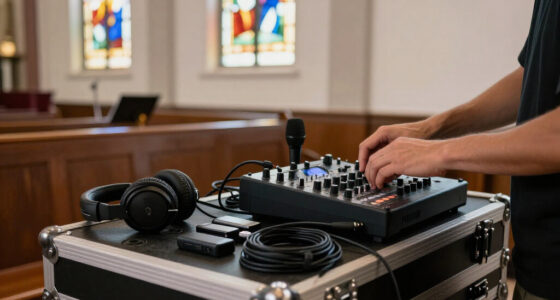
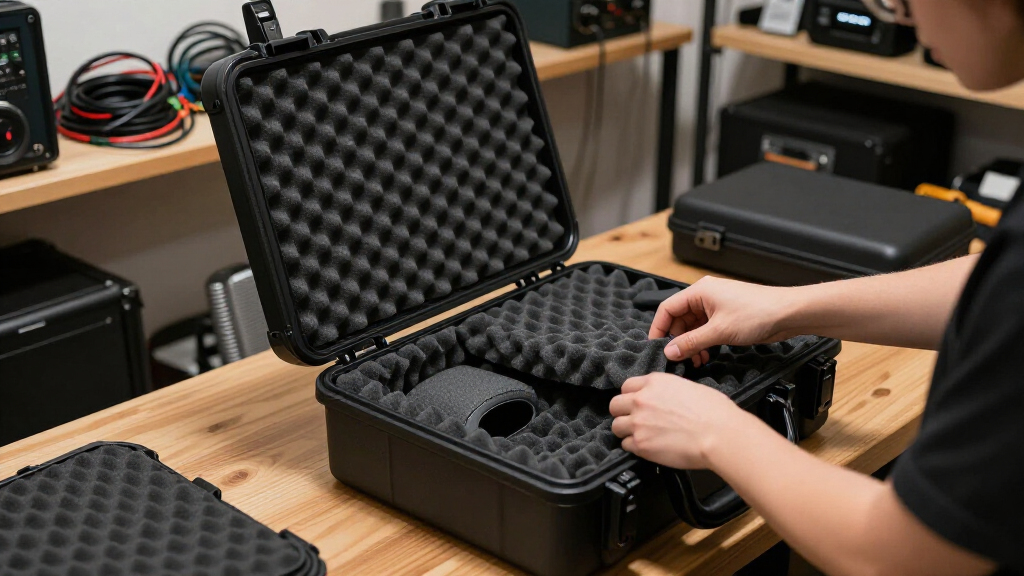
Impact protection starts with the right case. Hard cases or flight cases with foam inserts keep equipment safe from drops and stacking pressure.
For example, a fitted road case for your DJ controller prevents internal movement during transport, avoiding connector damage. Padded bags are lighter but less crush-resistant, best for light equipment or short trips.
Always keep protective caps on microphones and connectors, and cover keyboards and mixers to fend off dust. Avoid sealing damp gear in airtight containers; trapped moisture can cause mold or corrosion.
Choosing the proper case involves understanding the tradeoff between weight, protection, and convenience. Heavy-duty cases provide excellent impact resistance but may be cumbersome to transport regularly, potentially leading to mishandling. Conversely, lightweight covers are easier to carry but risk less protection against impacts or crushing forces. Your choice should align with your typical transport conditions and storage environment to maximize gear longevity without sacrificing practicality.
As an affiliate, we earn on qualifying purchases.
Store Equipment Properly — Position and Support Correctly
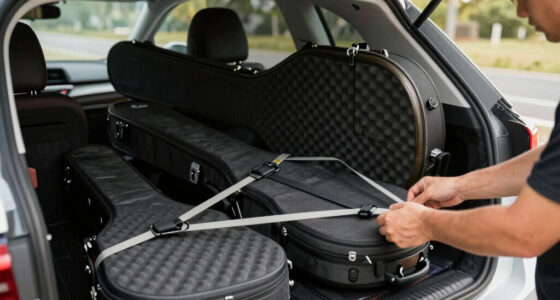
Your gear’s orientation and support matter. Keep guitars in fitted cases or on stands that support the neck and body evenly.
Speakers and amps should be stored upright, as designed, to prevent internal damage. Place heavy cases at the bottom of stacks and lighter ones on top, avoiding unstable setups that can topple or cause internal knocks.
Raising cases off concrete floors with pallets or shelves reduces moisture exposure and impact risk. Wall mounts and shelves must be rated for the weight, installed securely into structural supports.
Proper positioning and support are vital because improper storage can cause long-term deformation or internal stress. For example, storing a speaker on its side might lead to internal component shifts, affecting sound quality over time. Similarly, stacking heavy equipment without proper support can cause warping or cracking. The tradeoff here is between maximizing space and ensuring safety; sacrificing support for convenience can lead to costly repairs or replacements, so always prioritize stability and support to keep gear ready for action.
As an affiliate, we earn on qualifying purchases.
Handle Cables Correctly — Avoid Stress and Damage
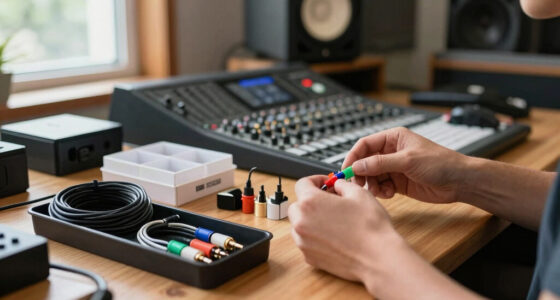
Cables are the weak link in many setups. Coil them using the over-under method — this prevents twists and kinks that weaken the conductor over time.
Secure coils with reusable ties, and store signal, power, and speaker cables separately to avoid cross-contamination or damage. Avoid crushing or bending near connectors, where failure often begins.
For example, a DJ who coils a 25-foot XLR cable tightly around an elbow risks internal wire breakage. Proper coiling extends its life and maintains signal integrity.
Understanding the implications of improper cable management is crucial because damaged cables can cause intermittent signals, noise, or complete failure during a performance. The tradeoff is between convenience and longevity; quick, careless coiling saves time but may lead to costly troubleshooting or replacements later. Proper handling ensures reliable connections and reduces the risk of sudden failures, which can be disastrous in live settings.
Manage Batteries Safely — Prevent Leaks and Fires
Batteries are ticking time bombs if mishandled. Remove disposable batteries from unused devices, especially if they might sit for weeks.
Rechargeable packs should be stored in a cool, dry place and inspected periodically. Damaged or swollen batteries need immediate disposal to avoid leaks or fires.
For instance, leaving a lithium-ion battery in a device during long storage can cause internal damage or a safety hazard. Always follow the manufacturer’s instructions for storage and disposal.
Proper battery management is essential because leaks or fires can cause irreversible damage to your gear and pose safety risks. The tradeoff involves regular inspection and careful handling versus neglect, which might save time but significantly increases hazards. Proper storage and disposal extend battery life, prevent costly damage, and ensure safety for yourself and your equipment.
Protect Connectors and Electronics — Keep Ports Clean and Covered
Disconnect unnecessary cables before storage to avoid strain on ports. Keep ports clean by covering them with caps or plugs when not in use.
Excess contact cleaner can cause residue buildup; only use products designed for your gear. When moving equipment from cold storage into a warm venue, let it reach room temperature before powering on to avoid condensation.
For example, a DJ who forgets to cover a USB port might find dust and debris causing connection issues during setup.
Maintaining clean, covered ports is vital because debris or corrosion can cause connection failures or damage over time. The tradeoff involves regular maintenance versus neglect; neglect can lead to costly repairs or performance issues. Properly protected ports ensure reliable, trouble-free operation and extend the lifespan of your electronics.
Secure Valuables to Prevent Theft and Loss
Valuable gear should always be stored in locked, secure areas. Maintain an inventory with serial numbers, photos, and receipts for insurance and quick identification.
Use locks, alarms, or cameras if needed, especially when leaving gear in vehicles or unstaffed storage areas. Avoid leaving equipment visible in unlocked vehicles overnight; it’s an open invitation for theft.
For example, a DJ who keeps a detailed inventory with photos can expedite claims after a break-in, reducing downtime.
Implementing security measures is crucial because theft or loss can be devastating both financially and logistically. The tradeoff involves investing in security tools and time to maintain records versus the potential loss of equipment. Securing valuables not only protects your investment but also provides peace of mind, allowing you to focus on your performance rather than worry about safety.
Create a Consistent Packing System for Safe Transit
Having a set packing routine reduces forgotten items and accidental damage. Assign specific cases and compartments for each item.
Label cables clearly, use checklists, and photograph your packing layout—this helps team members pack and unpack with confidence.
For example, a DJ who packs the same way each time quickly notices missing items or misplaced cables, saving setup time.
Separation of wet or damaged gear from clean equipment prevents contamination or further damage.
Developing a systematic packing process minimizes errors because it ensures all gear is accounted for and stored properly, reducing the risk of damage during transit. The tradeoff is dedicating time and effort to organization versus the chaos and potential damage caused by haphazard packing. A consistent system fosters efficiency, protects your gear, and helps maintain your professional reputation.
Perform Regular Maintenance Checks — Keep Gear in Peak Condition
Storage doesn’t mean neglect. Regularly inspect your gear for corrosion, pests, mold, or loose hardware. Test critical equipment periodically, especially if stored long-term.
For example, a DJ noticing a fading audio signal during a gig discovered a corroded connector caused by moisture buildup—regular checks caught it early, saving the performance.
Make a schedule—monthly or seasonally—to keep gear in top shape, especially for valuable or sensitive items.
Early repairs prevent small issues from becoming costly replacements or failures during a gig. Recognizing signs of deterioration early allows for simple fixes that can extend the lifespan of your gear significantly. Neglecting maintenance can lead to unexpected breakdowns, which are often more expensive and disruptive, risking your reputation and income. Prioritizing routine checks is a small investment of time that yields reliable performance and longevity.
Gear-Specific Storage Tips for Different Equipment Types
Each type of equipment has unique needs. For guitars, maintain stable humidity and avoid excessive string tension during long storage. Store drums dry, covered, and avoid heavy weight on heads. Protect keyboards and controllers from dust and physical impact. Store microphones in padded compartments, and keep wireless systems with batteries removed and antennas protected. Speakers and amps should be stored upright in cool, dry spaces, with tubes cooled before moving.
For example, a DJ storing a condenser microphone in a humid basement risks moisture damage, while a well-padded case keeps it safe from impact.
Following specific care instructions for each gear type prevents premature failure and costly repairs.
Understanding the particular storage needs of each piece of equipment is critical because improper conditions can accelerate wear or cause irreversible damage. For instance, storing a condenser microphone in a damp environment can lead to corrosion of internal components, while neglecting to protect speakers from impacts may result in speaker cone tears or internal damage. Tailoring storage methods to each device maximizes lifespan and ensures readiness, avoiding costly replacements and ensuring your gear performs reliably in every gig.
Emerging Storage Practices and Tech to Watch
New tech makes storage smarter. Bluetooth and RFID asset tracking simplify inventory management. Environmental sensors monitor temperature and humidity, alerting you to risky conditions. Modular foam cases allow custom configurations, reducing internal movement. Digital backup of presets, licenses, and show files is now standard, protecting digital assets.
For example, a DJ using RFID tags on cases can instantly see what’s missing or damaged, saving setup time.
These innovations help you avoid damage caused by unnoticed environmental fluctuations or mishandling, prolonging your gear’s life. Embracing these technologies means you can respond proactively to potential issues, rather than reacting after damage occurs. The tradeoff is the initial investment and learning curve, but the long-term benefits include enhanced protection, efficiency, and peace of mind, ensuring your gear remains in optimal condition for every performance.
Frequently Asked Questions
Should I leave gear in its case between gigs?
Yes, as long as the gear and case are dry and stored in a stable environment. Always dry equipment thoroughly before packing it away to prevent moisture buildup that can cause corrosion or mold.
Is a garage or basement safe for equipment?
Only if temperature, humidity, leaks, and pests are controlled. Many garages and basements experience fluctuations that can damage sensitive gear, so monitor conditions carefully or opt for climate-controlled storage.
What humidity level is best for guitars?
A range of 40–60% relative humidity is ideal for most wooden instruments. For many guitars, around 45–55% is preferred, but always check the manufacturer’s guidance for specific recommendations.
Should guitars be stored with the strings loosened?
Generally, no. Instruments are designed to stay under normal tension. Only loosen strings if specified by the manufacturer or during long-term storage to prevent neck strain.
Can equipment stay in a car overnight?
It’s best to avoid, due to risks of theft, temperature extremes, and condensation. If it’s unavoidable, keep gear hidden, secured, and in the vehicle for as little time as possible.
Conclusion
Think of your gear as a cherished tool, not just equipment. Proper storage is about patience, consistency, and attention to detail. It’s the best way to keep your gear performing reliably, gig after gig.
Next time you pack up, remember: a little care now means fewer surprises later. Your gear’s longevity depends on it—and so does your reputation as a professional.
Fall Picks
fall essentials
As an affiliate, we earn on qualifying purchases.