
TL;DR

Get audio and creator gear delivered free — and shop member deals
- Fast, free delivery on millions of items
- Access to Prime Big Deal Days deals on October 6–7
- Prime Video, Amazon Music and more included
A reliable power conditioner filters noise, regulates voltage, and protects against surges—key for mobile setups. Focus on capacity, build quality, and features to choose the right one for your gear.
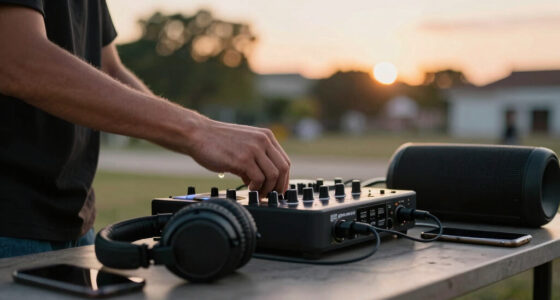
Mobile setups—whether for live gigs, recording in the field, or outdoor events—depend on stable, clean power. Without it, your gear risks damage, noise, or dropouts that ruin performances or recordings.
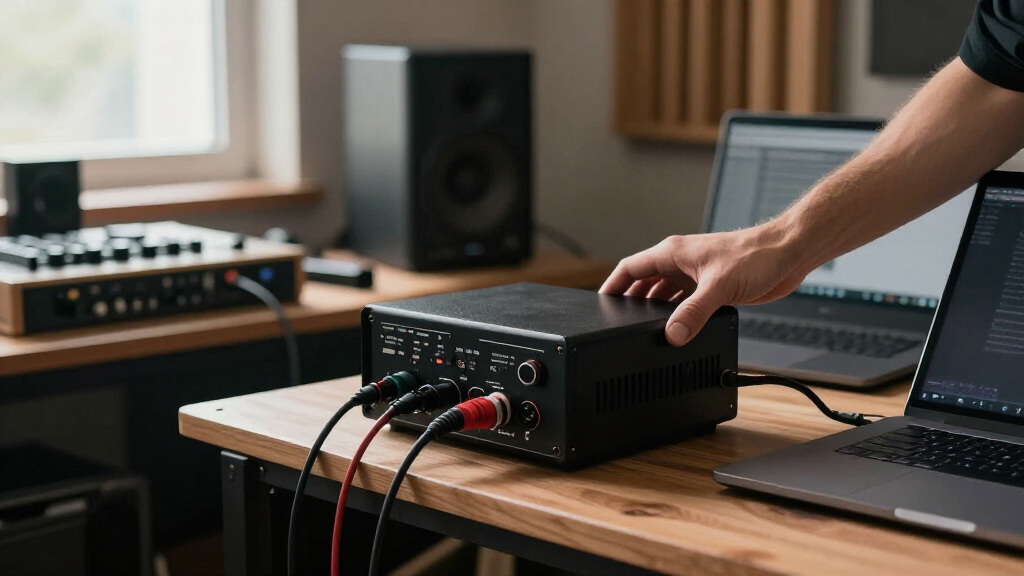
A reliable power conditioner acts like a shield—absorbing surges, filtering out noise, and stabilizing voltage. It’s the unseen hero that keeps your equipment safe and working at its best, no matter where you are.
Always match your power conditioner’s capacity to your total gear load, adding at least 20% for safety.
Prioritize units with high joule ratings (3,000+ joules) for superior surge protection.
Portability matters—choose lightweight, impact-resistant models for mobile setups.
Features like voltage regulation and remote monitoring boost reliability and peace of mind.
Invest in reputable brands with good reviews and certifications to avoid failures and damage.
What really matters: key features to look for in a power conditioner
The first step is understanding what makes a power conditioner dependable. It’s not just about having outlets—it’s about the right combination of capacity, protection, and portability.
For example, a mobile DJ might need a unit with at least 1,500 watts capacity, sturdy build, and surge protection rated over 3,000 joules. But beyond these specs, it’s essential to consider how these features translate into real-world performance. A higher joule rating means the unit can absorb larger power spikes without failing, which is crucial during thunderstorms or unstable power sources. Conversely, a unit with a low joule rating might protect in normal conditions but could fail when most needed, risking your equipment.
Check if the outlets are grounded—proper grounding prevents electrical faults that can lead to shocks or damage. Isolated or noise-filtered outlets are vital for maintaining audio clarity; they prevent hum and data glitches that can ruin recordings or performances. Durability features, like impact-resistant cases, ensure the unit withstands transport and rough handling, reducing downtime and repair costs. Lightweight design enhances portability but should not compromise build quality. Balancing these features ensures your power conditioner offers dependable protection without sacrificing ease of use, which is especially important in unpredictable mobile environments where conditions can change rapidly.
high joule surge protector power conditioner
As an affiliate, we earn on qualifying purchases.
As an affiliate, we earn on qualifying purchases.
How to pick the right power capacity for your gear
- Calculate your total wattage: Add up the wattage of all your equipment—speakers, controllers, lights, etc. This helps determine the minimum capacity your power conditioner must support. Underestimating can lead to overloads, causing power interruptions that damage equipment or disrupt your performance. Overestimating might result in unnecessary expense and bulk, making setup more cumbersome.
- Choose a unit rated at least 20-30% above your total load: This margin isn’t just a safety buffer; it accommodates startup surges—like when amplifiers turn on—and future equipment additions. For example, if your total load is 1,200 watts, selecting a unit rated for 1,500-1,600 watts ensures it can handle sudden power demands without strain, which prolongs its lifespan and maintains consistent power quality.
- Account for future expansion: Mobile setups often evolve—adding new gear or upgrading existing equipment is common. Planning for higher capacity now minimizes the need for early replacements and reduces the risk of overloads during critical moments. This foresight can save money and prevent last-minute failures that could ruin a gig or recording session.
Choosing a power conditioner with slightly higher capacity than your current needs isn’t just about safety; it’s about creating a resilient system that adapts to your evolving setup. This approach ensures your equipment remains protected even during unexpected power demands, reducing maintenance costs and avoiding performance failures. It’s a strategic investment in your reliability and peace of mind during mobile operations.
portable power conditioner for mobile DJ setup
As an affiliate, we earn on qualifying purchases.
As an affiliate, we earn on qualifying purchases.
Comparing surge protection and noise filtering: what’s the difference?
| Feature | Surge Protection | Noise Filtering |
|---|---|---|
| Purpose | Protects your equipment from sudden voltage spikes that can cause immediate damage or degrade components over time. Surge protection acts like a safety valve, absorbing excess energy during electrical storms or power fluctuations, which are common in mobile or outdoor environments where power sources can be unstable. | Reduces electromagnetic and radio-frequency interference that can introduce hum, buzz, or data errors into your audio and video signals. Noise filtering ensures clean, crisp sound and data integrity, which is especially important for live performances or recording sessions where audio quality is paramount. |
| How it works | Clamps high voltage spikes by diverting excess energy into a metal-oxide varistor (MOV) or similar component, preventing it from reaching your gear. A high joule rating indicates better energy absorption capacity, which is crucial during severe surges. Without adequate protection, a single large surge can fry your equipment’s sensitive electronics, leading to costly repairs or replacements. | Uses filters, inductors, and capacitors to smooth out electrical signals, removing unwanted interference. High-quality noise filters reduce residual hum and radio frequency interference, resulting in clearer audio and more reliable data transfer. Neglecting noise filtering can leave your signals vulnerable to subtle, yet persistent, interference that degrades sound quality over time, especially in electrically noisy environments. |
| Measuring stick | Joule rating — higher ratings (e.g., 3,000+ joules) mean better surge absorption and longer lifespan under stress. Beware of cheap models with low joule ratings, as they may fail during critical moments, risking your entire setup. | Noise attenuation specs—look for units that specify residual noise levels (e.g., in decibels or residual hum levels). Better filters provide lower residual noise, ensuring your audio stays pristine even in electrically noisy environments. Poor noise filtering can result in persistent hums or buzzes that are difficult to eliminate later, affecting the professionalism of your output. |
While surge protectors stop damaging spikes, true power conditioners also clean the power, ensuring your audio and data stay crisp and clear. Neglecting either aspect can lead to equipment failures, degraded sound quality, or data corruption—especially problematic during live performances or critical recordings where reliability is everything. Recognizing the importance of both features helps you select a unit that offers comprehensive protection, maintaining your setup’s integrity under all conditions.
voltage regulator power conditioner for outdoor events
As an affiliate, we earn on qualifying purchases.
As an affiliate, we earn on qualifying purchases.
Conclusion
Protecting your gear starts with choosing the right power conditioner. Focus on capacity, protection, and portability—then trust the tech advances that keep your setup safe and noise-free. Your equipment—and your reputation—depend on it.
Next time you pack up for a gig, remember: a good power conditioner isn’t just an accessory; it’s your gear’s best friend.
impact-resistant power conditioner for mobile equipment
As an affiliate, we earn on qualifying purchases.
As an affiliate, we earn on qualifying purchases.
Fall Picks
fall essentials
As an affiliate, we earn on qualifying purchases.