TL;DR
Prime for Young Adults — start your free trial
Fast free delivery, streaming and member deals for eligible 18–24 year olds.
Try it freeAs an affiliate, we earn on qualifying purchases.
Efficient cable and accessory organization can cut setup time by up to 50%. Using labels, proper storage, and smart tools keeps everything accessible and damage-free. Prepare ahead for fastest deployment.
Use the over-under method to coil cables, preventing kinks and tangles.
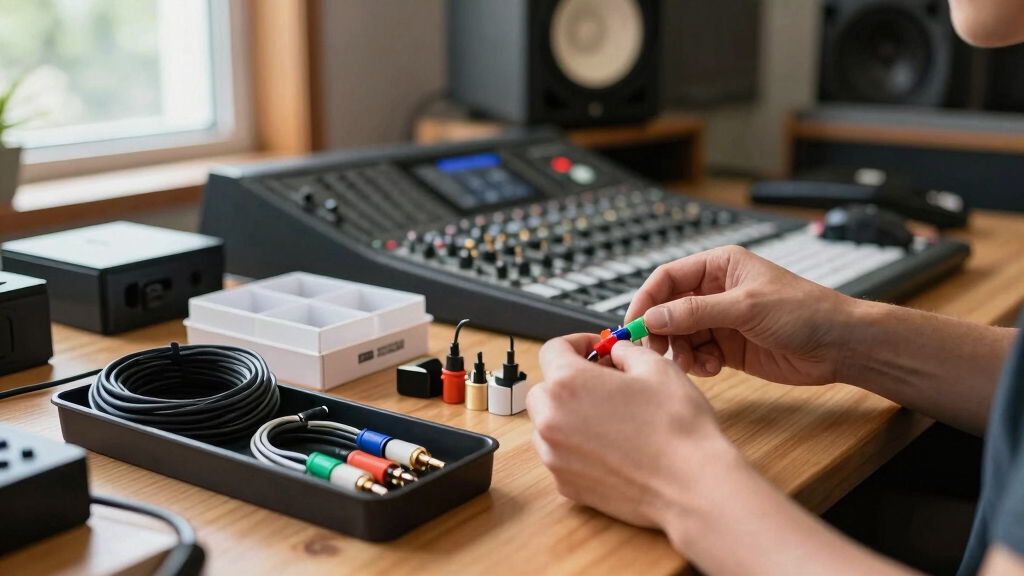
Label and color-code cables for instant identification during setup.
Invest in dedicated storage solutions, like labeled bags and reels, for quick access.
Create a standard setup checklist to streamline every gig.
Choose tools like Velcro straps and cable clips to keep cables secure and accessible.
How to Keep Cables Tangle-Free in Minutes
Cables are notorious for tangling, especially after a gig. But the secret is simple: coil them properly. Use the over-under technique to prevent kinks and twists that can weaken the cable over time. This method alternates the direction of coil loops, reducing strain and making uncoiling at the next gig effortless. Proper coiling not only saves time but also preserves the integrity of the cable, preventing internal damage that can lead to signal loss or failure. When storing, wind each cable around a spool or use Velcro straps to keep them tight and neat, which prevents accidental tangling during transport. For example, a 25-foot XLR cable stored with Velcro saves you minutes when searching for the right length, but more importantly, it reduces the risk of damaging the cable’s internal conductors due to unnecessary bends or kinks. Colored cable ties or sleeves help you quickly identify what’s what, saving time during setup. Label each cable with a permanent marker or use color-coded tags—this not only speeds up setup but also simplifies troubleshooting if a cable develops issues. Proper organization minimizes wear and tear, prolonging your gear’s lifespan and ensuring reliable connections every time. Deeply understanding this process reveals that proper coiling isn’t just about tidiness; it’s about maintaining the functional integrity of your gear, reducing costly repairs, and ensuring consistent performance across gigs.
As an affiliate, we earn on qualifying purchases.
The Best Storage Solutions for Quick Access
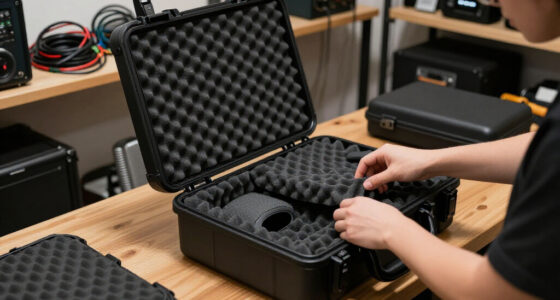
Proper storage isn’t just about tidiness; it’s a crucial factor in maintaining your gear’s longevity and ensuring rapid deployment. Using dedicated cable bags like the Disco Flight Cable Organizer Bag (around $25) with compartments for different cables and accessories helps prevent tangles and makes grabbing what you need quick and intuitive. But beyond convenience, this organized approach reduces the risk of damage caused by crushing or improper stacking, which can lead to internal cable damage or insulation wear. For smaller items like adapters, keep them in labeled drawer inserts or clear plastic tackle boxes—these containers protect delicate components from accidental damage and make inventory checks straightforward. Larger setups benefit from cable racks or trays mounted behind your gear, which keep cables off the floor and prevent kinks or crushing that can degrade signal quality over time. For example, a DJ using a Gator G-Subway cable bag with labeled sections can grab a specific cable in seconds, reducing setup time and frustration. Rolling or spooling cables on dedicated reels prevents tangling and significantly speeds up transport and setup. Proper storage also facilitates early detection of wear points, such as frayed insulation or internal breaks, allowing for timely repairs and avoiding mid-gig failures. Deeply considering storage solutions reveals that they are an investment in both efficiency and the longevity of your gear, ultimately saving money and reducing stress during busy performance days.
As an affiliate, we earn on qualifying purchases.
Create a Setup Checklist and Standardize Your Process
Having a detailed checklist isn’t just a time-saver; it’s a vital strategy for ensuring consistency and reducing errors. Listing all cables, accessories, and tools needed for each gig allows you to prepare everything in advance, minimizing last-minute scrambling and the risk of forgetting essential items. Double-checking this list before packing helps prevent missing components that could delay setup or cause performance issues. For example, forgetting a crucial XLR cable or power strip can lead to unnecessary delays or compromised sound quality. Creating a standardized process means you know exactly where each item is stored and how it’s organized, which is especially crucial when working in unfamiliar venues with different layouts. Over time, this consistency reduces setup time from 30 minutes to under 15, even in less familiar environments, because you’re not wasting valuable time searching or improvising. It also fosters a habit of quality control, catching potential issues like frayed cables, loose connectors, or missing adapters before they become problems during a gig. Developing a reliable, repeatable process not only increases professionalism but also reduces stress and allows you to focus more on your performance, knowing your gear is ready and organized—this consistency has a profound impact on your overall efficiency and reliability.
As an affiliate, we earn on qualifying purchases.
Use the Right Tools to Keep Cables Organized and Ready
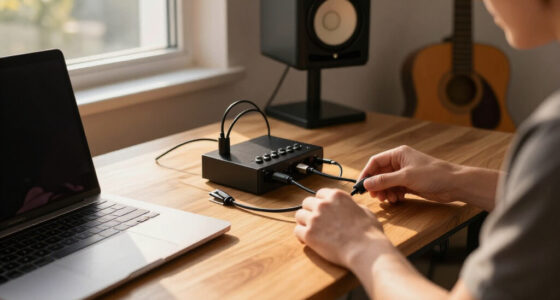
Tools are the backbone of efficient cable management. Velcro straps are reusable, adjustable, and gentle on cables, making them ideal for frequent setups. They prevent over-tightening, which can damage cable sheathing and internal conductors, thereby extending the life of your gear. Using cable clips or mounts to secure cables along walls or tables helps keep cables out of the way, reducing clutter and trip hazards. For larger cables or multiple runs, consider cable management racks or trays that keep everything off the floor and organized, reducing wear from foot traffic or accidental pulls. Quick-connect adapters, like Speakon or banana plug connectors, save time during setup and teardown by enabling fast, secure connections without fiddling with multiple connectors. For example, a DJ might use a Pro Coiled Cable Kit ($20-$30) with Velcro straps for quick, clean connections that are easy to adjust or replace. These tools are investments that pay off by making your setup smoother, safer, and more durable over time. Deeply understanding this reveals that choosing the right tools is not just about convenience; it’s about actively protecting your gear from damage, reducing setup time, and maintaining a professional appearance that impresses clients and audiences alike.
As an affiliate, we earn on qualifying purchases.
Compare Common Cable Management Options
| Feature | Velcro Straps | Cable Ties | Cable Sleeves |
|---|---|---|---|
| Reusability | High — can be used repeatedly, adjusted easily for different cable diameters and configurations, minimizing waste and cost over time. | Low — single-use or difficult to adjust once tightened, leading to waste and potential damage if reused improperly. | |
| Ease of Use | Easy to adjust, reposition, and remove without damaging cables, making them ideal for frequent setup and teardown cycles. | Secure and permanent once tightened, but less flexible; adjustments require cutting or cutting tools, which can damage cables if not done carefully. | |
| Damage Risk | Minimal if not over-tightened; they distribute pressure evenly, reducing risk of damage. | Can damage cables if overtightened or applied improperly, especially around delicate insulation or conductors. | |
| Cost | $10-$20 for a pack of 50, offering economical reusability over many gigs. | $5-$15 for a pack of 100, but the single-use nature can lead to higher long-term costs and waste. |
Avoid Common Mistakes That Slow You Down
Over-tightening cable ties can cause damage to cables, especially around insulation or delicate conductors, leading to premature failure and costly replacements. This mistake often stems from trying to secure cables too tightly in an effort to keep them neat, but it compromises the cable’s integrity and longevity. Skipping labels or using ineffective labeling methods costs valuable setup time troubleshooting during gigs, which can be avoided with permanent markers or color-coded tags that stay legible over time. Not storing cables properly—such as in a tangled pile or crammed container—accelerates wear and makes setup more time-consuming. For example, a DJ who neglects labeling spent 15 minutes figuring out which cable was which during a gig, risking delays and performance issues. Simple labels or colored tags can cut that time to seconds, ensuring a smooth setup and reducing stress. Using dedicated containers or reels prevents unnecessary bending or crushing, which extends cable life and maintains signal quality. Proper storage also helps you spot potential issues early, like frayed insulation or internal breaks, saving money and preventing failure during critical moments. Avoiding these mistakes is essential for maintaining gear reliability, speeding up your setup, and projecting a professional image that clients trust. Deeply understanding these pitfalls highlights the importance of deliberate, careful practices that safeguard your investment and streamline your workflow.
Smart Tech and Trends Making Organization Easier
Modern innovations are revolutionizing cable management. RFID tags or QR codes attached to cables and accessories enable instant inventory tracking with a smartphone app, reducing time spent searching and verifying gear. Modular cable organizers, which can be customized for different venues, allow quick reconfiguration and reduce setup complexity. Eco-friendly options like biodegradable zip ties and recycled cable sleeves are gaining popularity as they help reduce environmental impact without sacrificing durability. Wireless accessories, such as Bluetooth transmitters and receivers, significantly cut cable clutter, making setups cleaner and more efficient. According to recent industry insights, integrating these technologies into your organizational system can cut setup time by an additional 20%, freeing you to focus on your performance rather than logistics. Embracing these trends not only streamlines your workflow but also demonstrates professionalism and sustainability, setting you apart in the industry. Deeply understanding these innovations reveals that adopting new tech can significantly improve your efficiency, reduce waste, and enhance your reputation as a forward-thinking professional.
Frequently Asked Questions
How do I quickly identify which cable is which?
Label each cable with a permanent marker or use color-coded tags. This simple step saves you time during setup and troubleshooting, making your process much smoother.What are the best tools for organizing cables?
Velcro straps, cable clips, and labeled storage containers are top choices. They’re reusable, gentle on cables, and help keep everything in its place for rapid deployment.How do I prevent cables from tangling?
Coil cables using the over-under method and store them on reels or in dedicated bags. Regularly inspecting and re-coiling cables after gigs also keeps them in good shape and ready to go.What’s a quick fix for organizing cables in tight spaces?
Use adhesive cable clips and vertical cable management panels to route cables along walls or behind gear. Compact cable organizers and zip ties also help keep clutter off the floor.Are eco-friendly options effective?
Yes, biodegradable zip ties and organizers made from recycled materials work just as well. They help reduce environmental impact without sacrificing durability or convenience.Conclusion
A little prep goes a long way. When your cables and accessories are organized, setup becomes a quick, straightforward process instead of a frantic scavenger hunt. Take time to build your system now — your future self will thank you with every gig run smoothly and on time.Fall yard work Picks
leaf blowers
As an affiliate, we earn on qualifying purchases.