
TL;DR
Fragile lighting effects need careful handling during transport. Using the right cases, packing techniques, and handling practices prevents costly damage and keeps your gear ready for showtime.
Imagine arriving at a gig, only to find your delicate LED tubes shattered or your mirror ball cracked. Damage like that isn’t just frustrating — it costs time, money, and reputation. If you’re hauling fragile lighting effects, understanding how to protect them during every step of the journey can save you from disaster.
This guide walks through the most important considerations: choosing the right cases, packing techniques, handling tips, and environmental precautions. Whether you’re a mobile DJ, lighting tech, or event producer, mastering these transport secrets keeps your effects safe and your setup smooth.
Choose ATA-300 rated cases with custom foam inserts for maximum shock absorption.
Always engage transport locks on fixtures with moving parts before transit.
Distribute weight evenly in your vehicle and secure cases to prevent shifting.
Allow fixtures to acclimate to room temperature before powering on after transport.
Use organized, labeled containers for fragile accessories to prevent damage and save time.
Transport Considerations for Fragile Lighting Effects in Mobile Setups
Arriving at a gig to find shattered LED tubes or a cracked mirror ball costs more than money — it costs time and reputation. 70–80% of equipment damage happens during handling and load-in/out, not in transit. The right cases, packing technique, handling discipline, and environmental precautions keep your effects safe and your setup show-ready.
For mobile DJs · Lighting techs · Event producersFive Pillars of Safe Transport
Every breakage story traces back to one of five failure points. Cover all five and your fragile effects — LED tubes, mirror balls, glass gobos, prisms, yokes — survive the journey gig after gig.
Pick the Right Case First
ATA-300 rated road cases with reinforced corners and sturdy latches are the foundation. A Pelican 1750 ($300–$400) adds crush-proof, waterproof protection. Custom pick-and-pluck or CNC-cut EVA foam keeps each fixture snug — nothing should shift when the closed case is shaken. Keep original manufacturer packaging: it is often engineered to survive shipping.
Control Shock & Handling
Vibration is the silent killer — it loosens screws and fatigues solder joints, causing “dead on arrival” fixtures with no visible damage. Engage transport locks on moving heads (e.g. Chauvet Intimidator Spot) before every trip. Shockwatch labels and accelerometer inserts document mishandling for insurance claims.
Load & Secure the Vehicle
Distribute weight low and centered; secure cases against lateral and vertical movement with ratchet straps and load bars. Never stack heavy cases on fragile optics — crushed lenses and yokes result. Light, delicate gear rides on top or in dedicated compartments, with dolly compatibility for fast load-ins.
Beat Heat, Cold & Moisture
Moving from a cold truck into a warm venue causes condensation inside fixtures — shorting LEDs and corroding electronics. Always let fixtures acclimate to room temperature before powering on. Sealed cases, desiccants, and gradual temperature changes prevent corrosion you won’t see until failure.
Protect Small & Fragile Parts
Fiber-optic whips, glass gobos, and diffuser gels need separate padded small-parts cases. Coil cables with the over-under technique to prevent kinks and internal breaks. Organized, dedicated compartments prevent accidental drops during rushed setups and teardowns.
Color-Code & Label Everything
A case marked “Fragile – Glass Effects” in bright red tape saves time and prevents mishandling during busy load-ins. Clear labels make fragile contents obvious to every crew member — and documented case inventories are typically required for mobile-gear insurance to remain valid.
Case Options Compared — and Where Damage Really Happens
Choose casework by duty cycle and fragility of contents. Then aim your effort where the data says damage actually occurs: your hands, not the highway.
| Case / Packaging | Duty Rating | Shock Protection | Best For | Weather Sealed |
|---|---|---|---|---|
| ATA-300 Cat I road case | 100+ round trips | ✓ Custom foam, stacking strength | Touring movers, mirror balls, glass optics | ~ Depends on build |
| Pelican-style hard case | Crush-proof, lifetime | ✓ Pick-and-pluck / CNC foam | LED tubes, neon-style fixtures, projection glass | ✓ Waterproof seals |
| Composite / honeycomb case | Medium duty, light weight | ~ Good, less rigid than ply | Van-based operators cutting weight & fuel | ~ Varies by model |
| Original manufacturer box | Engineered for shipping | ~ Surprisingly effective short-term | Critical one-off gigs, backup protection | ✗ Cardboard degrades |
| ATA-300 Cat III case | ~10 round trips | ✗ Light-duty only | Cables, hardware — not fragile optics | ✗ Rarely |
Industry rule of thumb for mobile and rental operations — the reason handling procedure beats transit worry.
Temperature Swings Are Sneaky Culprits
Outdoor LED uplighters stored in a cold trailer developed internal moisture and flickered on the job. A simple acclimation period and sealed cases ended the problem. Moisture and temperature cause unseen damage that surfaces later as costly failures.
The Risks
- Condensation: cold truck → warm venue shorts LEDs and corrodes boards
- Humidity & rain: outdoor gigs expose connectors and cable ends
- Dust ingress: fouls fans, lenses, and moving-head mechanisms
- Heat stress: hot trailers age plastics, gels, and adhesives
The Protocol
- Acclimate first: let fixtures reach room temperature before powering on
- Seal & dry: gasketed cases plus desiccant packs in every case
- Wrap connectors: keep caps and covers on until the moment of use
- Go IP65 outdoors: rated fixtures withstand weather — cables remain the weak point
New Tech That Protects Fragile Lighting
Recent developments make transport easier and reduce failures outright. Choosing resilient fixtures and smart storage cuts setup time and keeps effects performing in challenging conditions.
Solid-State LED Over Discharge
LEDs are more shock-resistant than filament or arc-tube lamps and need no cool-down period — though boards and solder joints still suffer vibration fatigue.
Battery & Wireless DMX
Battery-powered uplighters and tubes eliminate long cable runs, reduce trip hazards, and are purpose-built for mobile and rental use.
IP65 Moving Heads
Weather-rated movers drastically cut weather-related damage on outdoor gigs — one mobile DJ’s switch simplified packing and ended rain failures.
Lightweight Composites
Polypropylene shells and honeycomb panels cut vehicle weight versus plywood — saving fuel and reducing handling stress on crew.
RFID & Smart Assets
QR codes, RFID tags, and inventory apps track each case’s contents and handling history — and support insurance documentation requirements.
Modular Truck-Pack Cases
Cases designed around truck-pack and van-pack dimensions speed loading, reduce handling errors, and make every load-in repeatable.
Frequently Asked Questions
Look for ATA-300 rated road cases with custom foam inserts. Brands like Pelican and Gator offer reliable options in the $300–$500 range. For DIY solutions, cut foam to fit fixtures tightly — but always test for movement before every gig.
Keep fixtures in sealed cases with desiccant packs, bring them indoors, and let them acclimate to room temperature before powering on. Gradual temperature change prevents the condensation that shorts LEDs and corrodes electronics.
Pick the Right Case: The Foundation of Safe Transport
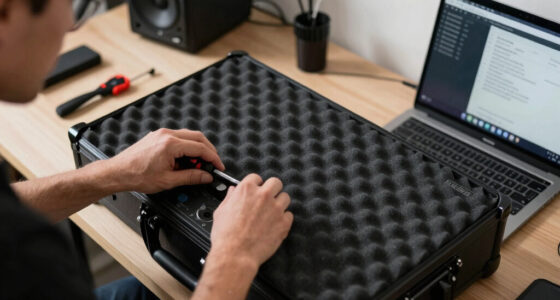
The first step to protecting fragile lighting effects is selecting the proper case. Industry-standard ATA-300 rated road cases are the gold standard. They feature reinforced corners, sturdy latches, and foam interiors designed to absorb shocks.
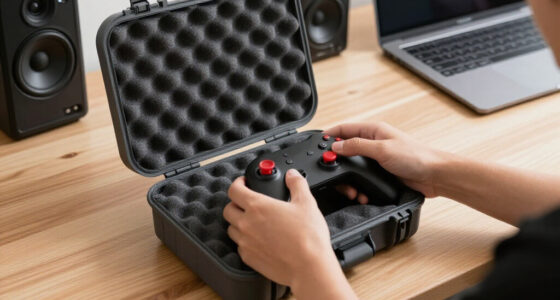
For example, a Pelican 1750 case ($300–$400) offers crush-proof durability and waterproof seals, making it ideal for LED tubes or glass effects. Custom foam inserts—either pick-and-pluck or CNC-cut EVA foam—keep each fixture snug, preventing shifts that could lead to breakage.
Remember: original manufacturer packaging is often engineered for shipping and can be surprisingly effective as a temporary protective container. Keep it for those critical gigs.
ATA-300 rated lighting equipment case with foam inserts
As an affiliate, we earn on qualifying purchases.
As an affiliate, we earn on qualifying purchases.
Handling and Vibration: Keep Your Gear Intact During Transit
Vibration and shock are silent killers. Even a well-packed fixture can suffer damage if the vehicle hits a pothole or makes sudden turns. Vibration loosens screws and fatigues solder joints — leading to failures even without visible cracks.
Using shock indicators like Shockwatch labels or accelerometer-logging case inserts can document mishandling for insurance claims. Always engage transport locks on moving-head fixtures, like the Chauvet Intimidator Spot LED, to prevent internal damage during movement.
For example, a DJ traveling a 300-mile route found that a mirror ball’s facets cracked after a bumpy ride. Transport locks saved the fixture from further damage, but the lesson was clear: secure every moving part.
Proper handling and vibration control matter because they directly impact the longevity and reliability of your effects. Even minor jolts can cause microfractures or loosen internal components, which may not be immediately visible but can lead to failure over time. Investing in shock-resistant packaging and handling with care reduces these risks and extends your gear’s lifespan.
fragile lighting effects transport case
As an affiliate, we earn on qualifying purchases.
As an affiliate, we earn on qualifying purchases.
Load and Secure Your Vehicle Properly
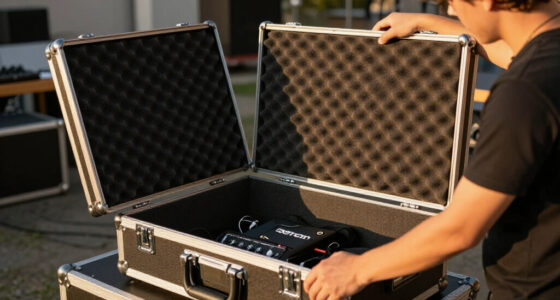
Most damage happens during load-in and load-out. Distributing weight evenly and securing cases against movement prevents crashes. Use ratchet straps, load bars, or foam padding to keep cases from shifting in the van or trailer.
For instance, stacking heavy cases on top of fragile optics can crush lenses or yokes. Place lighter, fragile gear on top or in dedicated compartments. Consider cart/dolly compatibility for quick, safe handling.
According to industry data, 75% of damage occurs during handling, not transit, so focus your efforts at this stage.
Properly loading and securing your vehicle isn’t just about preventing immediate damage; it also minimizes the cumulative wear and tear on your equipment, which can lead to long-term failures. Proper load distribution helps maintain the structural integrity of your gear and reduces the risk of sudden shifts that could cause catastrophic damage during transit.
shock-absorbing lighting gear case
As an affiliate, we earn on qualifying purchases.
As an affiliate, we earn on qualifying purchases.
Environmental Risks: Protect Your Gear From Heat, Cold, and Moisture
Temperature swings are sneaky culprits. Moving from a cold truck into a warm venue causes condensation, which can short out LEDs or corrode internal electronics. Always let fixtures acclimate at room temperature before powering on.
Outdoor gigs add humidity, rain, and dust into the mix. IP65-rated fixtures withstand weather better, but connectors and cables remain vulnerable. Use waterproof covers and keep connectors wrapped until use.
For example, outdoor LED uplighters stored in a cold trailer developed moisture inside, leading to flickering. A quick acclimation period and sealed cases prevented future issues.
Understanding environmental risks is crucial because moisture and temperature fluctuations can cause unseen damage that compromises performance and longevity. Proper storage and handling—such as using desiccants, sealed cases, and gradual temperature changes—are essential to prevent corrosion, short circuits, and other failures that may not be immediately obvious but can cause costly repairs or replacements.
As an affiliate, we earn on qualifying purchases.
Cabling and Accessories: Keep Fragile Parts Safe and Organized
Fragile accessories like fiber-optic whips, glass gobos, and diffuser gels need special handling. Coil cables using the over-under technique to prevent kinks and breaks. Store small parts in separate padded cases or containers.
Color-coding and labeling cases speed up setup and tear-down. For instance, a DJ labeled a case ‘Fragile – Glass Effects’ in bright red tape, saving time and preventing mishandling during busy load-ins.
Proper organization reduces the risk of accidental damage and makes your setup more efficient.
In addition to protecting fragile parts, organized cabling and accessories streamline your workflow, reducing the likelihood of mishandling during hurried setups. Clear labels and dedicated compartments prevent accidental drops or damage, which is especially important when rushing to meet tight schedules. Investing time in proper organization pays off by minimizing damage risks and ensuring quick, safe access to your gear during every event.
Recent Tech and Trends That Help Protect Fragile Lighting
New developments make transporting fragile effects easier. LED fixtures are more shock-resistant than discharge lamps, which need cool-down periods. Battery-powered, wireless fixtures eliminate long cable runs and reduce trip hazards.
IP65-rated moving heads withstand weather, and lightweight composite cases cut down on vehicle weight—saving fuel and reducing handling stress. Smart asset tracking with RFID tags helps monitor each case’s condition and handling history.
For example, a mobile DJ switched to IP65 LED moving heads for outdoor gigs, drastically reducing weather-related damage and simplifying packing.
Understanding these technological advances is vital because they directly impact the durability and reliability of your gear. By choosing resilient fixtures and smart storage solutions, you reduce the risk of damage, decrease setup and teardown times, and ensure your effects perform flawlessly even in challenging conditions. Embracing these trends allows you to stay ahead of potential issues and deliver professional-quality shows with confidence.
Frequently Asked Questions
What cases should I buy for moving heads and LED bars?
Look for ATA-300 rated road cases with custom foam inserts. Brands like Pelican and Gator offer reliable options in the $300–$500 range. For DIY solutions, cut foam to fit your fixtures tightly, but always test for movement before every gig.
How do I pack fragile effects in a small van without full road cases?
Use padded duffel bags or small plastic containers with foam inserts. Secure everything with bungee cords or cargo straps. Place the most fragile items at the top and avoid stacking heavy gear on top.
Do LED fixtures need special handling during transport?
Generally, no. LEDs are solid-state and more shock-resistant than traditional lamps. However, avoid rapid temperature changes and ensure they are powered down properly to prevent internal stress or moisture buildup.
How do I transport a mirror ball without cracking the facets?
Use a padded, snug-fitting case or a custom foam insert that supports each facet. Always secure the ball to prevent rolling or shifting during transit. Engage any built-in transport locks if available.
Should I label my cases clearly for fragile gear?
Absolutely. Use bright tape or stickers reading ‘Fragile’ or ‘Handle with Care’. Clear labels help everyone handle your gear gently and speed up setup time.
Conclusion
Transporting fragile lighting effects isn’t just about having the right gear — it’s about how you handle, pack, and care for it every step of the way. With a few smart choices, you can turn every gig into a showcase of reliability, not repair bills.
Think of your gear as a delicate sculpture. Treat it with care, and it will shine brightly night after night.