
TL;DR
Play games included with Prime
Start a Prime free trial and play with Amazon Luna on your devices.
Start playingAs an affiliate, we earn on qualifying purchases.
DJ flight cases come in various types designed for specific gear, from turntables to controllers. Construction quality, features, and matching your transport mode are key. Choosing the right case ensures gear safety and smooth gigs.
Imagine arriving at a gig, your gear crammed into a battered soft bag, rattling with every bump in the road. Not only is that nerve-wracking, but it also risks damage. Flight cases are the armor your gear needs — but not all cases are created equal.
In this guide, you’ll learn about the different types of DJ flight cases, what materials they’re made of, and how to pick the perfect fit for your setup. Whether you’re a club DJ flying across country or a mobile entertainer driving to local parties, understanding these options saves you money, hassle, and—most importantly—your gear.
Match your case type precisely to your gear—size and shape matter.
Construction quality, especially ATA 300 compliance and hardware, protects your investment.
Features like sliding shelves, wheels, and compartments boost setup speed and convenience.
Weight matters — find a balance between protection and airline/truck limits.
Choose brands based on your needs: affordable for local gigs, rugged for flying or tough environments.
Understanding Different Types of DJ Flight Cases
Arriving at a gig with gear rattling in a battered soft bag is nerve-wracking — and risky. Flight cases are the armor your gear needs, but not all cases are created equal. From turntable coffins to controller shells, here is how to match the case to your setup, your transport mode, and your budget.
Find Your Perfect Match: Six Types of DJ Flight Cases
Flight cases aren’t one-size-fits-all. Each is shaped for specific gear — and selecting the wrong type can lead to damage, setup delays, or extra transport costs.
Turntable Cases
Coffin-style boxes for a single Technics SL-1200 or Reloop deck — or battle-style cases for two decks plus a mixer. Foam-lined interiors cradle the deck, preserving needle and platter alignment against vibration.
Fits: 1 deck coffin / 2 decks + mixer battleCDJ / Media Player Cases
Built for one or two CDJs, often with room for a 12″ mixer and accessories. The classic club rig — designed for quick setup, tidy cabling, and protection of sensitive electronics.
Fits: 2× CDJ + 12″ mixer coffinController Cases
The most common category today. Sized for specific units like the Pioneer DDJ-1000 or Denon Prime series; universal “XL” shells fit multiple controllers. A snug fit prevents movement and speeds setup.
Fits: DDJ / Prime / Traktor S-seriesMixer Cases
From 10″ compact models to full 19″ rackmounts. Properly designed mixer cases protect knobs and faders while providing fast access during setup, minimizing rigging time.
Fits: 10″ / 12″ / 19″ rackmountAll-in-One System Cases
Purpose-built for units like the Pioneer XDJ-XZ or Denon Prime 4. Pack, carry, and deploy your entire setup in one shell — saving time and reducing setup errors on gig night.
Fits: XDJ-XZ / Prime 4 class unitsUtility & Combo Cases
Vinyl record trunks (roughly 50–100 LPs), cable organizers, amp racks, and accessory trunks in one transport solution. Versatile — but every component must be secured against shifting.
Fits: Records, cables, rack gearKnow What You’re Paying For
Materials dictate durability, weight, and protection. Here is how the core components compare — and where cheap builds cut corners.
| Component | Premium Build | Budget Build | Why It Matters | Verdict |
|---|---|---|---|---|
| Plywood Shell | 9–12 mm laminated birch ply — the durability benchmark | Lauan or ABS-laminated panels — lighter, less tough | Heavier ply absorbs impacts; lighter panels save on airline fees | ~ Tradeoff |
| Aluminum Valance | Continuous extrusion around the full perimeter | Surface-mounted edging only | Takes the impact and seals the lid; prevents bent, cracked edges | ✓ Essential |
| Hardware | Recessed butterfly latches, ball corners, spring-loaded handles, steel rivets | Surface-mounted latches that snag and fail | Premium hardware survives thousands of gigs without accidental openings | ✓ Essential |
| Interior Foam | Dense custom-cut EVA / high-density foam | Pick-and-pluck cubed foam that sheds over time | Custom cutouts hold gear immobile; shed cubes compromise protection | ✗ Avoid Pick-Pluck |
| ATA 300 Rating | True Category I compliance — 100+ round trips rated | “ATA-style” / “flight ready” marketing language | A must if you fly often; tested for common-carrier rigors | ✓ Flyers Only |
Weight vs. Protection: The Tradeoff Spectrum
Heavier cases protect better but can push checked bags over the 23 kg / 50 lb airline limit. Lightweight composites save weight but sacrifice impact resistance. Balance depends on how you travel.
Features That Make Gigs Faster and Safer
Beyond the shell, features improve your workflow, protect your gear, and make transport smoother — from load-in to teardown.
Glide Shelf Setup
Laptop shelf slides out over the mixer for instant rig assembly.
V-Front Access
Removable front panel reaches cabling without opening the case.
Roll to the Booth
Casters and trolley handles move 25 kg+ coffins without strain.
Lock & Seal
Locking wheels and gasket lids stabilize and shield gear all night.
Compartments & Ventilation
Separate space for cables and mics, plus airflow for active electronics — prevents overheating during long or outdoor sets.
Sealed Lids & Gaskets
Tongue-and-groove seals keep out dust, moisture, and dirt — extending gear lifespan if you gig outdoors.
Hinged vs. Removable Lids
Hinged lids open faster mid-gig; removable lids offer more secure transit and flexible booth placement.
Stackability
Ball corners and flat profiles let cases stack safely in the van, the trailer, or freight.
Integrated Laptop Stands
Built-in stands keep the laptop off the deck surface and out of harm’s way during performance.
Locking Casters
Keep the case stable during setup — no rolling away on uneven floors or stairs.
Choose Your Tier: Match Budget to Gigging Reality
Choose brands based on your needs: affordable for local gigs, rugged for flying or tough environments. Expect to meet Odyssey, Gator, Magma, UDG, ProX, Road Ready/Marathon, and European custom builders like Swan Flight and Thon.
ABS & Aluminum-Frame
For local car gigs and occasional transport. Light, affordable, and immediate off the shelf — but not built for baggage handlers.
Plywood Workhorse
Laminated birch or hexaboard shells with recessed hardware. The sweet spot of protection and price for regular gigging and occasional flying.
Custom / ATA 300
Custom builders offer exact foam fit and branding; true ATA 300 Cat I shells survive 100 round trips. For touring pros who fly constantly.
Match case to exact gearSize and shape matter — check dimensions plus knob and fader clearance.
Insist on construction qualityATA 300 compliance and recessed hardware protect your investment.
Prioritize workflow featuresSliding shelves, wheels, and compartments boost setup speed.
Respect the weight limitsBalance protection against airline (23 kg) and truck constraints.
Choose brands by use caseAffordable for local gigs; rugged custom builds for flying.
Consider alternativesMolded hard cases for max crush/water protection; padded bags for light local use.
What are the main types of DJ flight cases? Find your perfect match
DJ flight cases aren’t one-size-fits-all. They come in shapes and sizes tailored for specific gear. Knowing which type suits your setup helps you protect your investment and streamline your transport.
Here are the most common categories:
- Turntable cases: Typically a coffin-style box designed to hold a single Technics SL-1200 or Reloop deck. They’re usually 2-3 inches thick, with foam-lined interiors that cradle the deck, protecting against impacts. This design matters because turntables are often the most fragile component, and a well-fitted case minimizes vibrations and shocks during transport, preserving your needle and platter alignment.
- CDJ/media player cases: Built for one or two CDJs or media players, these cases often hold a 12-inch mixer and sometimes include a compartment for accessories. They’re a staple in club setups. Properly designed cases for media players ensure quick setup, minimize cable tangling, and protect sensitive electronics from impacts or environmental hazards, which can otherwise cause costly damage or malfunction.
- Controller cases: The most common today. Sized specifically for popular units like Pioneer DDJ-1000 or Denon Prime series. Some are adjustable or universal, fitting multiple controllers. The key here is a snug fit that prevents movement, reducing wear and tear, and making setup faster. The tradeoff is that universal cases might not offer the same level of protection or fit as custom ones, so consider your gear’s uniqueness when choosing.
- Mixer cases: Ranging from 10″ compact models to full 19″ rackmounts. These are often used to transport multiple channels or rack gear. Properly designed mixer cases provide not just protection but also ease of access during setup, minimizing setup time and reducing the risk of damaging knobs or faders.
- All-in-one DJ system cases: Designed for units like the Pioneer XDJ-XZ or Denon Prime 4, these cases hold the entire system, ready to go. The significance lies in their ability to streamline gigs — you can pack, carry, and deploy your entire setup efficiently, saving time and reducing setup errors.
- Utility and combo cases: Include vinyl record trunks, cable organizers, and rack-mounted gear, all in one transport solution. They offer versatility, but the key is ensuring each component is securely held to prevent shifting, which could cause damage during transit. These cases are ideal for DJs who need a multi-purpose solution but require careful packing.
Choosing the right type depends on your gear and how you gig. For example, a DJ who spins vinyl needs a sturdy coffin for decks, while a controller user prefers a lightweight, fit-for-purpose case. The implications are clear: selecting the wrong type can lead to damage, setup delays, or increased transport costs, so understanding your specific needs is crucial.
As an affiliate, we earn on qualifying purchases.
What materials make up a DJ flight case? Know what you’re paying for
The core of any flight case is its construction. Materials dictate durability, weight, and protection. Understanding what’s inside helps you choose wisely.
Plywood: Usually 9–12 mm thick, laminated birch plywood is the industry standard for durability. Cheaper cases might use lauan or ABS-laminated panels, which are lighter but less tough. The tradeoff here is weight versus impact resistance — heavier plywood offers better protection but can increase shipping costs and handling difficulty.
Aluminum extrusion: The silver edging that runs around the case’s perimeter. It absorbs impacts and keeps the shell intact. A well-made case uses continuous aluminum valance, not just surface-mounted hardware. This continuous reinforcement prevents the edges from bending or cracking under stress, which is vital during frequent handling or airline travel.
Hardware: Recessed butterfly latches, steel rivets, spring-loaded handles, and steel corners. Cheap hardware can snag or break; premium hardware survives thousands of gigs. High-quality hardware ensures the case remains secure over time, preventing accidental openings or hardware failure that could jeopardize your gear.
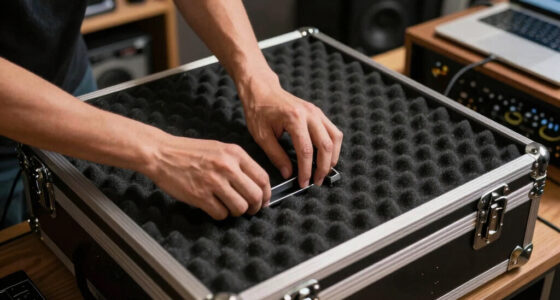
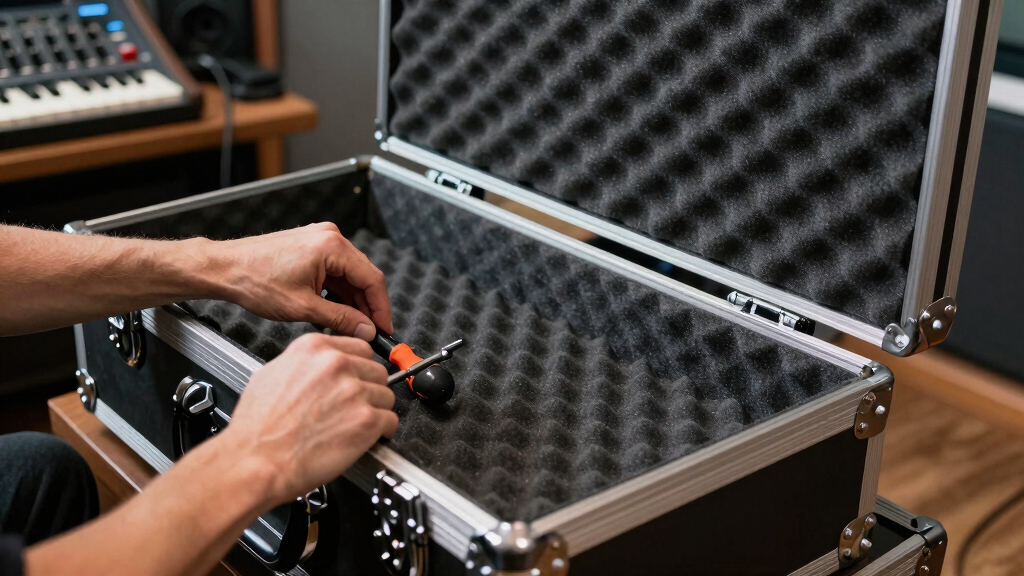
Interior foam: Protects gear from shocks. Dense, custom-cut foam (like egg crate or high-density foam) offers the best shock absorption. Pick-and-pluck foam is cheaper but sheds cubes over time, which can compromise protection. The choice affects how well your gear absorbs impacts — crucial for flying or rough handling scenarios.
Standards like ATA 300: Defines cases rated for 100+ trips under airline conditions. A true ATA 300 case is built to survive the rigors of flying — a must if you fly often. These standards ensure your case is tested to withstand the stresses of frequent transportation, reducing the risk of damage and costly repairs.
Weight is a tradeoff. Heavier plywood cases protect better but can push airline weight limits, leading to extra fees or the need for lighter materials. Lightweight composites save weight but may sacrifice some impact resistance. Balancing weight and protection depends on your typical transport mode and frequency of travel.
heavy-duty DJ equipment flight case
As an affiliate, we earn on qualifying purchases.
As an affiliate, we earn on qualifying purchases.
Features that make your DJ flight case better and easier to use
Beyond the shell, features matter. They improve your workflow, protect your gear, and make transport smoother.
- Glide shelves and laptop stands: Slide out over the mixer or controller for quick setup and tear-down. This reduces setup time and minimizes the risk of dropping or damaging gear during assembly.
- Removable front panels (V-front): Easy access to cabling without opening the entire case. This feature allows quick reconfiguration or troubleshooting during gigs, saving valuable time.
- Wheels and trolley handles: Essential for heavy cases over 25 kg. Locking wheels keep the case stable during setup. Good wheels minimize effort and prevent accidents, especially on uneven surfaces or stairs, reducing fatigue and injury risk.
- Compartments and ventilation: Separate space for cables, microphones, and airflow for active electronics. Proper ventilation prevents overheating, which can cause electronic failures or reduced performance, especially during long gigs or outdoor events.
- Sealed lids and gaskets: Keep out dust, moisture, and dirt—especially if you gig outdoors. This protection extends the lifespan of your gear and reduces maintenance needs.
- Hinged vs. removable lids: Hinged lids are quicker to open but may be less secure during transit; removable lids offer better access for large gear. The choice impacts setup speed and security, so consider your typical gig environment and handling style.
For example, a DJ with a 15 kg controller benefits from a case with a sliding shelf and durable casters, making setup faster and less tiring. Features that streamline setup and safeguard your gear directly influence your efficiency and gear longevity — essential for professional reliability.
As an affiliate, we earn on qualifying purchases.
How to pick the right DJ flight case for your gear and gigs
Choosing a case isn’t just about size. It’s about matching your gear, gig style, and transport method.
Follow this step-by-step guide:
- Measure your gear precisely: Include knobs, faders, connectors, and clearance space. Accurate measurements ensure a snug fit, reducing movement that can cause damage during transit.
- Check compatibility: Use manufacturer specs and compatibility charts. For example, a Pioneer DDJ-1000 is 35.4″ wide, so pick a case at least 36″ internal width to avoid forcing or damage.
- Decide on features: Do you need a sliding shelf? Wheels? Ventilation? Prioritize features based on your typical setup and transport mode to balance convenience and protection.
- Factor in transport mode: Airline checked baggage needs lighter, compact cases with TSA locks. Car gigs can handle bulkier, heavier models. Recognizing the implications of your transport method helps prevent oversize charges or damage.
- Set a budget: Entry-level ABS cases start around $100, while premium custom plywood can hit $500+. Weigh the cost against the protection and longevity you need.
- Consider custom vs. off-the-shelf: Custom builds fit gear perfectly but cost more; off-the-shelf is quicker and cheaper. Think about your frequency of gigs and the value of tailored protection.
For instance, if you fly often, invest in an ATA 300-rated case with wheels, locking latches, and foam cut precisely for your gear. If you mostly drive, a lightweight universal case might do the job. The right choice minimizes damage risk, setup time, and transport hassles.
As an affiliate, we earn on qualifying purchases.
Brands and options: what’s worth your money?
Several brands stand out for quality, durability, and value. Here’s a quick look:
| Brand | Focus | Price Range | Best For |
|---|---|---|---|
| Odyssey | Affordable, reliable cases for controllers and mixers | $100–$400 | Budget-conscious DJs needing solid protection |
| Gator | Heavy-duty, molded plastic and aluminum frames | $150–$600 | Pro gigs, airline travel, tough conditions |
| Magma | Custom foam inserts, sleek designs for controllers and CDJs | $200–$700 | Mobile DJs who want tailored fit and style |
| ProX | Wide range, customizable options, ATA-rated | $200–$800 | Professional operators with demanding needs |
European builders like Swan Flight and Thon offer high-end, handcrafted options for DJs who demand perfection. For maximum crush-proof protection, rotomolded cases from Pelican or SKB are unbeatable, especially for flying gigs. Choosing the right brand involves considering durability, price, and specific features that match your gig environment, ensuring you get the best value and protection for your investment.
Frequently Asked Questions
What size flight case do I need for my specific controller or CDJ?
Measure your gear carefully, including knobs, faders, and connectors. Compare these dimensions with the case’s internal measurements—it’s best to add a little extra clearance for cables and ease of fit. Check manufacturer specs and compatibility charts for precise sizing.
What’s the difference between ATA 300 and regular flight cases?
ATA 300 is a standard that certifies cases can survive 100+ round trips under airline conditions. It involves specific construction criteria like reinforced corners, sturdy hardware, and high-quality plywood. Not all flight cases meet this standard, but choosing ATA 300-rated cases offers peace of mind for frequent flying.
Is plywood better than ABS or molded plastic for a DJ flight case?
Yes. Plywood, especially birch ply, offers superior durability and impact resistance—ideal for heavy travel. ABS or plastic cases are lighter and cheaper but tend to crack or warp under stress. Molded cases with rotomolding are extremely crushproof but usually cost more and are bulkier.
Can I take a flight case as checked baggage? Are there size and weight restrictions?
Yes, but check your airline’s policies. Most airlines allow checked bags up to 50 lbs (23 kg) with a total linear dimension of 62 inches (158 cm). Heavy or oversized cases might incur extra fees. Use lightweight, ATA-rated cases for flying to minimize issues.
Are soft gig bags enough for gigs, or do I need a flight case?
Soft bags are fine for local or car gigs where impact is minimal. But for airline travel or stacking in trucks, a hard case offers far better protection against crushing, impacts, and environmental hazards. Always match your case to your gig’s transport mode.
Conclusion
Your flight case is more than just a box—it’s a safeguard for your gear and a tool for efficiency. Picking the right type, materials, and features makes your gigs smoother and your gear safer.
Think of your case as a trusted partner that works behind the scenes—quietly protecting your investment so you can focus on the music. When your gear is snug, secure, and easy to access, your gigs become less stressful and more enjoyable.
NFL season / tailgating Picks
team gear
As an affiliate, we earn on qualifying purchases.