
TL;DR
Prime for Young Adults — start your free trial
Fast free delivery, streaming and member deals for eligible 18–24 year olds.
Try it freeAs an affiliate, we earn on qualifying purchases.
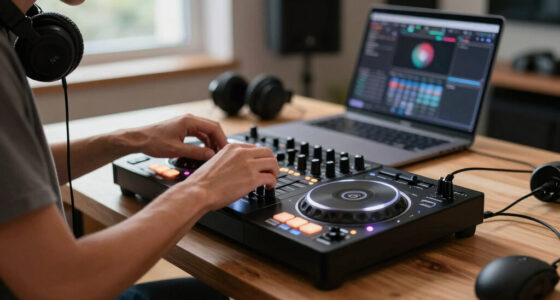
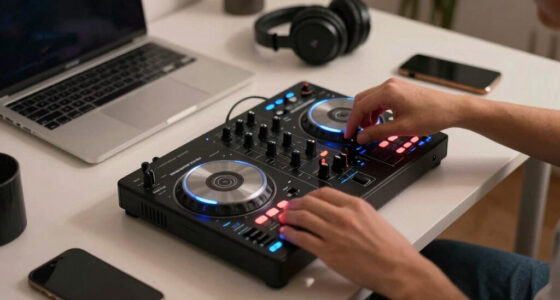
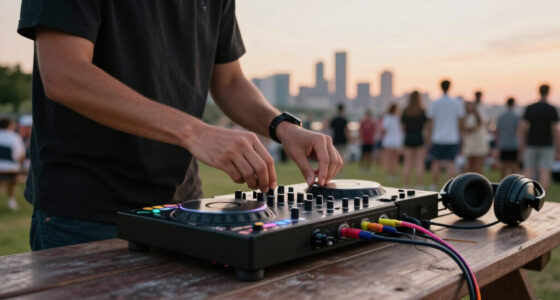
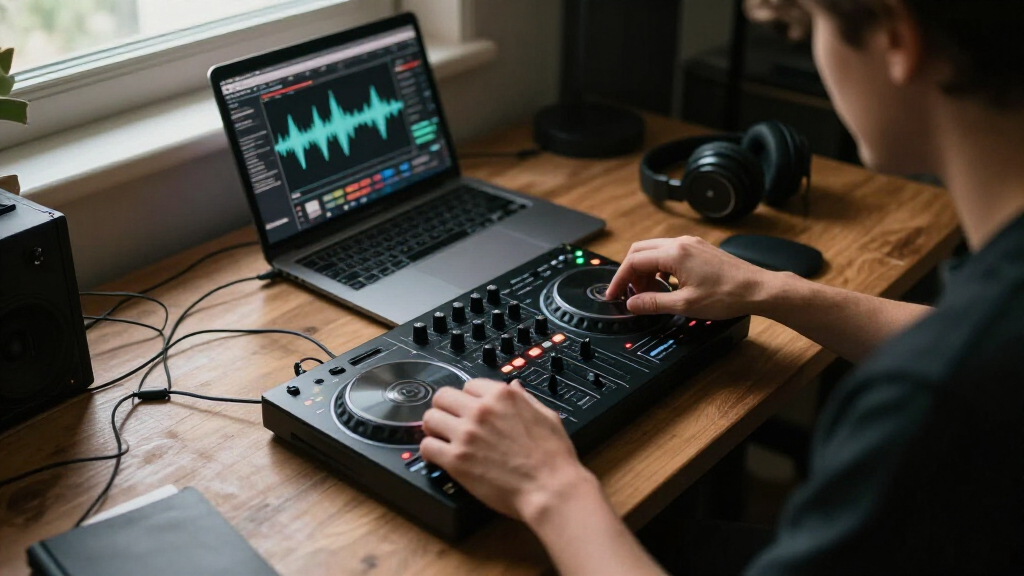
Portable DJ controllers are compact hardware interfaces that connect to laptops, tablets, or phones to mix music. They vary in size, features, and output options, making it crucial to match your setup and performance goals. This guide covers key considerations, recent trends, and practical tips for choosing the right model.
You’ve seen them in action—tiny, sleek devices that let DJs spin on the go without lugging around giant gear. But not all portable DJ controllers are created equal. Some pack enough features to rival full-sized setups, while others prioritize lightness over control. Your choice depends on what, how, and where you plan to DJ.
Whether you’re a traveling pro, a weekend warrior, or just starting out, understanding the ins and outs of these compact devices will help you avoid costly mistakes and find gear that fits your style. Let’s explore what makes a great portable DJ controller and how to pick the best one for your gigs.
Total setup size includes controller, laptop/tablet, cables, and case—plan for the whole package, not just the device.
Prioritize software compatibility and output options—these define your workflow and sound quality.
Beware of compromises in tiny controllers: fewer controls, limited outputs, and tighter controls can hinder performance.
USB-C is now common, simplifying connections, but check for power and data specs to avoid issues.
Size isn’t everything—balance portability with control layout, durability, and your gig requirements.
What Makes a DJ Controller Truly Portable? Size, weight, and ease matter
Portable DJ controllers aren’t just about fitting into a backpack—they’re about balancing size, weight, and usability. A lightweight device that’s too small might lack essential controls, which could limit your performance options or force you into awkward workarounds. Conversely, a slightly larger model can provide a more comprehensive control surface, making setup and live manipulation more intuitive and efficient. The key is understanding how the physical dimensions influence your workflow and comfort during performances.
For example, the Pioneer DJ DDJ-200 weighs just 1.2 pounds and measures 8.3 x 4.7 inches—making it ideal for quick gigs or practice sessions. However, its small size means the jog wheels are tiny, and controls are limited, which might hinder more detailed scratching or complex routines. This illustrates a common tradeoff: extreme portability often comes at the expense of control richness and tactile feedback.
Remember: portability isn’t just about the controller. Your total setup includes the laptop or tablet, cables, power supplies, and a case. The combined weight and dimensions of all these components determine whether you can comfortably carry everything for a walk-around event or quickly set up in a tight corner. Prioritizing total transportability ensures your gear remains practical and ready for spontaneous gigs.
Understanding this helps you make smarter choices: a smaller controller might be easier to carry, but if it hampers your ability to perform effectively, it could limit your creative expression or slow down your setup. Conversely, a slightly bulkier model could enhance your performance capabilities and reduce frustration during live sets, even if it requires a bit more effort to transport. The tradeoff is always between convenience and control — knowing your priorities will guide your ideal choice.
As an affiliate, we earn on qualifying purchases.
How to Pick a Portable DJ Controller That Fits Your Style
Follow these 4 steps to find the perfect match:
- Assess your gigs: Do you need just a simple controller for practice, or will you DJ at parties, clubs, or livestreams? Larger events demand more controls and better audio outputs, but also require your setup to be versatile enough to handle different environments. Understanding your typical performance context helps you prioritize features like multiple channels, effects, or robust outputs, which can significantly impact your workflow and the quality of your sets. Recognizing the demands of your gigs ensures you select a controller that won’t limit your creativity or cause technical issues during critical moments.
- Match your software: Controllers are built for specific DJ apps like Serato, rekordbox, or Traktor. Compatibility isn’t just about working; it influences how smoothly your workflow runs. A controller mismatched with your preferred software can lead to frustrations, limited functionality, or even compatibility issues during a live performance. Ensuring software support aligns with your skill level and performance needs can save you time and enhance your creative possibilities. Additionally, consider whether the software’s interface and features suit your style—some controllers excel with particular apps, providing more tactile control or advanced features tailored to specific workflows.
- Consider connectivity and power: USB bus-powered controllers are convenient for portability, but they often struggle with power-hungry effects, lighting, or multiple external devices. This can cause glitches or instability during live use. Choosing a model with a dedicated external power option provides a more stable experience, especially when you need consistent performance during longer gigs. The decision here impacts reliability, latency, and your ability to incorporate additional gear seamlessly. A stable power source can also extend your controller’s lifespan and reduce troubleshooting time during performances.
- Look at controls and build: Do you need jog wheels, performance pads, EQ knobs, or mic inputs? More controls typically mean a larger, heavier device, but they also enable more expressive and dynamic performances. Conversely, minimal controls simplify portability but may limit your creative options. Balancing your control needs with size and weight ensures your setup supports your style without sacrificing mobility or ease of use. Think about which controls are essential for your performance—extra features might be tempting, but only if they genuinely enhance your ability to perform confidently and creatively in your typical environment.
For instance, the Numark Mixstream Pro offers Wi-Fi streaming, built-in speakers, and a 10-inch footprint—great for casual gigs but less portable than the Roland DJ-202, which measures 12 x 7 inches and weighs 4 pounds. Your choice depends on whether you value features over portability or vice versa, and how each aligns with your typical performance situations. Remember, a well-chosen controller can expand your creative possibilities without sacrificing the convenience of mobility.
compact DJ controller for mobile DJing
As an affiliate, we earn on qualifying purchases.
As an affiliate, we earn on qualifying purchases.
The Hidden Tradeoffs of Small, Portable Gear
Small controllers save space and weight but often come with significant compromises that can affect your performance quality. Expect shorter jog wheels that aren’t ideal for scratching, fewer channels—usually just two—and limited outputs. For example, many ultra-compact models only offer unbalanced RCA outputs, which are more susceptible to noise and signal degradation over longer cable runs, especially in larger venues or professional setups. These limitations can directly impact sound clarity and reliability during live performances.
More importantly, these tradeoffs influence your ability to adapt to different performance scenarios. Limited outputs restrict your connection options to external sound systems or recording devices, which can be frustrating during gigs that require multiple feeds or professional-grade sound. The small size often means fewer physical controls, which can reduce your precision and responsiveness during dynamic mixes. For instance, a controller with tiny jog wheels and close-packed controls might hinder quick adjustments, affecting your timing and overall performance.
Some controllers omit dedicated mic inputs or have limited EQ controls, which means you may need to juggle functions or rely heavily on your laptop’s interface. This reliance on software for basic functions can slow down your workflow and increase the risk of missteps during live performance. Recognizing these limitations helps you match your gear to your skill level and performance environment, ensuring you don’t encounter unexpected frustrations when it matters most. It’s about understanding that smaller gear often requires tradeoffs in control, flexibility, and sound quality, which can influence your overall performance quality and reliability.
As an affiliate, we earn on qualifying purchases.
Frequently Asked Questions
Do I need a laptop for a portable DJ controller?
Most portable controllers depend on a laptop, tablet, or phone to run DJ software. However, some standalone or hybrid models can operate without one, offering internal storage and controls for more self-contained setups.
Can I DJ just with my phone or tablet?
Yes, if your controller supports mobile DJ apps and your device has enough processing power. Check compatibility, power requirements, and whether your controls work smoothly in the app environment.
Are portable controllers only for beginners?
Not at all. Many high-end controllers pack features like performance pads, stems, and effects, suitable for professional mobile DJs. It’s about matching the controller’s capabilities to your performance needs.
Can I connect external decks or media players?
Only if the controller has proper audio inputs and its software supports external sources. Smaller controllers often lack these features, so check before buying if you plan to use turntables or media decks.
How reliable is USB power for live performances?
USB power can be reliable if you use quality cables and ports that supply sufficient current. However, it’s crucial to test your setup thoroughly before a live performance, especially when using effects or multiple accessories, to ensure stability and avoid interruptions during critical moments.
DJ controller with multiple outputs
As an affiliate, we earn on qualifying purchases.
As an affiliate, we earn on qualifying purchases.
Conclusion
Choosing a portable DJ controller is a balancing act. The right one should fit your gear, support your software, and match your performance style—without turning your bag into a weightlifting routine.
Think about your typical gigs, how much control you need, and where you’ll perform. With the right approach, you’ll find gear that travels well and plays just as hard as you do.
Fall Picks
fall essentials
As an affiliate, we earn on qualifying purchases.