TL;DR
Get ready for Prime Big Deal Days — try Prime free
Exclusive member deals on October 6–7, plus fast free delivery. Cancel anytime.
Start your free trialAs an affiliate, we earn on qualifying purchases.
Battery-powered PAs offer true portability and quick setup for small to medium events, but struggle with loudness and runtime. Traditional PAs deliver more power and scalability but require mains power, heavier gear, and longer setup times. Your choice depends on where, how, and for whom you perform.
Battery-powered PAs are ideal for small to medium outdoor gigs where portability and quick setup matter more than extreme volume.
Traditional PA systems excel in delivering loud, clear sound for large crowds but require more setup time and mains power.
Hybrid units with rechargeable batteries and mains capability are increasingly common, offering flexibility for diverse gigs.
Expect battery runtimes to be around 50–70% of manufacturer specs at gig volume, so plan accordingly.
Choosing the right PA depends on crowd size, venue, power access, and your performance style — no one-size-fits-all answer.
What Exactly Is a Battery-Powered PA, and Who Should Use One?
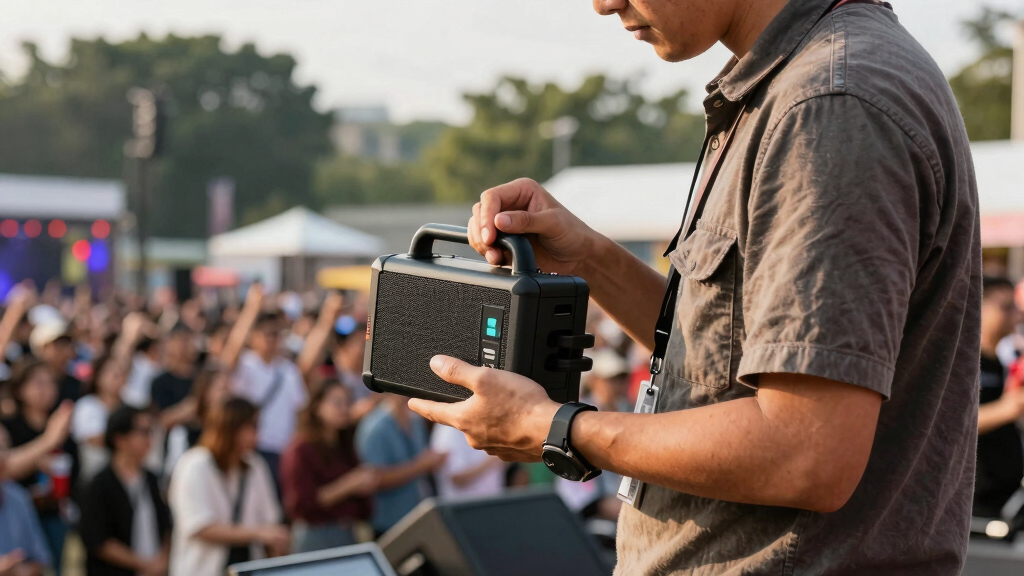
A battery-powered PA is an all-in-one unit that combines a rechargeable battery, amplifier, and speakers. This design emphasizes portability, allowing performers to set up quickly without worrying about power sources. But why does this matter? In real-world scenarios, the convenience of a self-contained system can drastically reduce setup time and logistical complexity, especially in outdoor or remote venues where mains power is unavailable. For solo performers, buskers, or small groups, this means more time engaging with the audience and less time managing equipment. However, this portability often comes with compromises in volume and sound coverage. The tradeoff is that while these systems are ideal for small venues or intimate performances, they may struggle to fill large spaces or deliver deep bass at high volumes. Therefore, understanding your gig’s size and environment is critical before choosing a battery PA. For instance, the Bose S1 Pro offers a compact, lightweight design that excels in quick deployment, but its limited wattage means it’s best suited to smaller crowds. The key takeaway: the benefit of portability must be balanced against sound power and runtime needs, which vary depending on the event scale and location.
As an affiliate, we earn on qualifying purchases.
Why Traditional PA Systems Are Still a Power Player
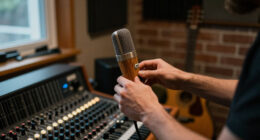
Traditional PA systems rely on mains power, with separate components like speakers, mixers, and amps. This modularity is more than just a design choice; it’s a strategic advantage for larger, professional venues. Why? Because these systems can deliver significantly higher sound levels and better sound quality, especially in demanding environments. For example, a powered speaker like the QSC K12.2, combined with a mixer and subwoofer, can produce over 1,000W, enabling clear sound even in large outdoor festivals. The ability to expand—adding more speakers, subs, or monitors—means these systems can scale with the event’s size and complexity. The tradeoff? They are heavier, require more setup time, and involve higher initial costs. But for events where sound clarity and volume are non-negotiable, this investment pays off. It prevents the dreaded muddy mix or feedback issues that can plague smaller or underpowered setups. In essence, traditional systems are the backbone of professional sound reinforcement because they offer reliability, scalability, and superior audio performance at the expense of portability and convenience. For large events, these systems are often the only practical choice, ensuring your sound remains crisp and powerful from setup to final encore.
As an affiliate, we earn on qualifying purchases.
Side-by-Side: Battery PA vs. Traditional PA — Which Is Better for You?
| Feature | Battery-Powered PA | Traditional PA |
|---|---|---|
| Portability | Very high — all-in-one, lightweight, no cords needed | Lower — heavier, multiple components, mains required |
| Sound Power | Limited — typically 30–250W, suitable for small to medium crowds | High — 500W+ scalable for large venues |
| Setup Time | Minutes — quick, minimal cables | Longer — stands, cables, connections |
| Runtime | 4–20+ hours depending on model and volume | Unlimited — mains power |
| Expandability | Limited — usually one or two units linked wirelessly | High — add speakers, subs, monitors |
| Cost | Typically $300–$1,000 for good models | $800–$3,000+ for scalable systems |
As an affiliate, we earn on qualifying purchases.
Real-World Tips for Choosing the Right PA for Your Gigs
If you’re a DJ, band, or fitness instructor, your needs vary. Here are quick tips:
- Small, solo gigs or busking: go battery. Compact, light, fast to set up.
- Outdoor weddings or bigger crowds: lean traditional or hybrid systems with mains and battery options.
- Frequent setup and teardown: prioritize quick, wireless, all-in-one units.
- Budget considerations: a good battery PA costs around $500–$800; traditional systems start higher but scale better.
For example, a wedding DJ in a park might choose a Bose S1 Pro for quick setup, while a band doing outdoor festivals might prefer a powered QSC system with subs for full coverage. The decision hinges on balancing convenience, power, and future scalability, ensuring your choice aligns with your specific event demands and long-term needs.
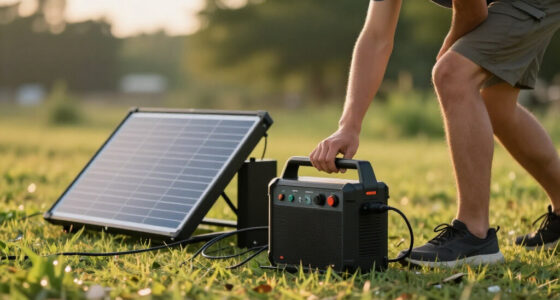
hybrid PA system with rechargeable battery
As an affiliate, we earn on qualifying purchases.
As an affiliate, we earn on qualifying purchases.
Can You Mix and Match? Hybrid Systems and Future Trends
Hybrid units that run on mains or batteries are growing in popularity because they offer unmatched flexibility. They allow performers to adapt quickly—using battery power outdoors where outlets are unavailable, then switching to mains indoors for sustained, high-volume sound. Why does this matter? Because it reduces the need to carry multiple systems or make complex setups. For example, the JBL PRX One offers a built-in battery option, making it suitable for a variety of gigs without sacrificing power. Additionally, newer models feature swappable batteries, which extend operational life and decrease downtime. This means performers can stay prepared for longer events without worrying about battery degradation. The evolution of DSP (digital signal processing) and app control further enhances sound quality and feedback management, making these hybrid systems more reliable and user-friendly. The implication? The future of PA technology is leaning toward modular, scalable solutions that can seamlessly transition between different power sources, ensuring consistent performance regardless of venue or event size. For performers, this means gear that’s not just versatile but also adaptable to changing needs—saving time, reducing complexity, and enhancing overall sound experience.
Frequently Asked Questions
How long does a battery-powered PA last at gig volume?
Most battery PAs provide around 4 to 8 hours of runtime at moderate volume levels. Expect about 50–70% of the rated hours when playing at full gig volume, especially outdoors or in noisy environments where you turn up the volume. This variation matters because it influences your planning—knowing that a system might last only part of a long event helps you decide if additional batteries or backup power is needed to ensure continuous sound.
Can a battery PA handle a crowd of 100 people or more?
Yes, but the effectiveness depends on the specific model and its wattage. Many battery-powered PAs with 150–250W are suitable for audiences of up to 100 people in smaller indoor or outdoor settings. However, for larger crowds or music with heavy bass, these units may require additional support or a hybrid setup to maintain clarity and volume. The key is understanding the power limitations and considering hybrid or scalable systems when expecting bigger audiences, ensuring your sound remains clear and impactful without distortion or feedback.
Is it okay to use Bluetooth for live vocals or instruments?
While Bluetooth is convenient for streaming backing tracks or music playback, it’s generally not recommended for live vocals or instruments. The main issues are latency—delays between source and output—and potential dropouts, which can disrupt the flow of a performance. Wired connections provide lower latency, more stable signal, and higher sound quality, crucial for professional or live settings. Using Bluetooth for critical audio can compromise the performance, so it’s best reserved for non-live audio sources or background music.
Can I upgrade or replace the battery later?
Some models feature swappable batteries, allowing you to replace or upgrade them as needed, which extends the device’s lifespan and runtime. Others have fixed, built-in batteries that degrade over time, making replacement more complicated or costly. This distinction impacts long-term reliability and convenience. If you anticipate frequent use or long gigs, choosing a system with easily replaceable batteries can be a smart investment, ensuring consistent performance without needing to replace the entire unit prematurely.
Should I buy a battery PA or just rent a small generator?
A battery PA offers several advantages: clean, quiet operation, quick setup, and portability, making it ideal for mobile performers and outdoor events. Generators, while capable of providing more power and longer runtime, come with drawbacks—noise, fuel requirements, maintenance, and bulk. For most mobile DJs and performers, a quality battery PA provides a more practical, hassle-free solution that minimizes environmental impact and setup complexity. Renting a generator might be suitable for very large or power-intensive events, but for typical gigs, a reliable battery-powered system often offers better convenience and cleaner sound.
Conclusion
The right PA system boils down to your gig size, location, and how quickly you want to set up. Battery-powered options keep you free from cords, but may fall short on volume or runtime for bigger shows. Traditional systems remain king for large venues and professional sound quality — but often at a heavier, more complex setup. Think about where you perform most and what matters most: portability, power, or scalability? Your gear should serve your style, not limit it. The best choice is the one that gets you from setup to sound check smoothly, every time.NFL season / tailgating Picks
team gear
As an affiliate, we earn on qualifying purchases.